The country that had to unify
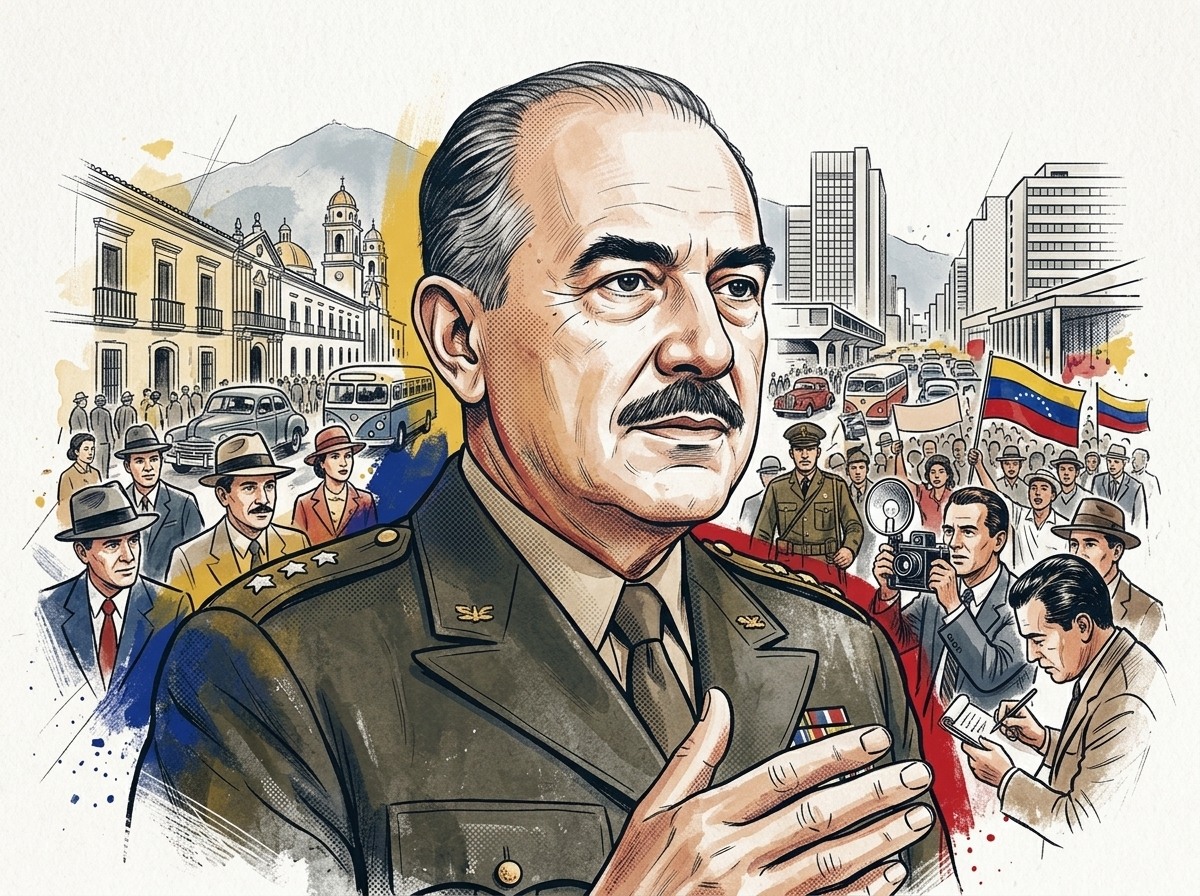
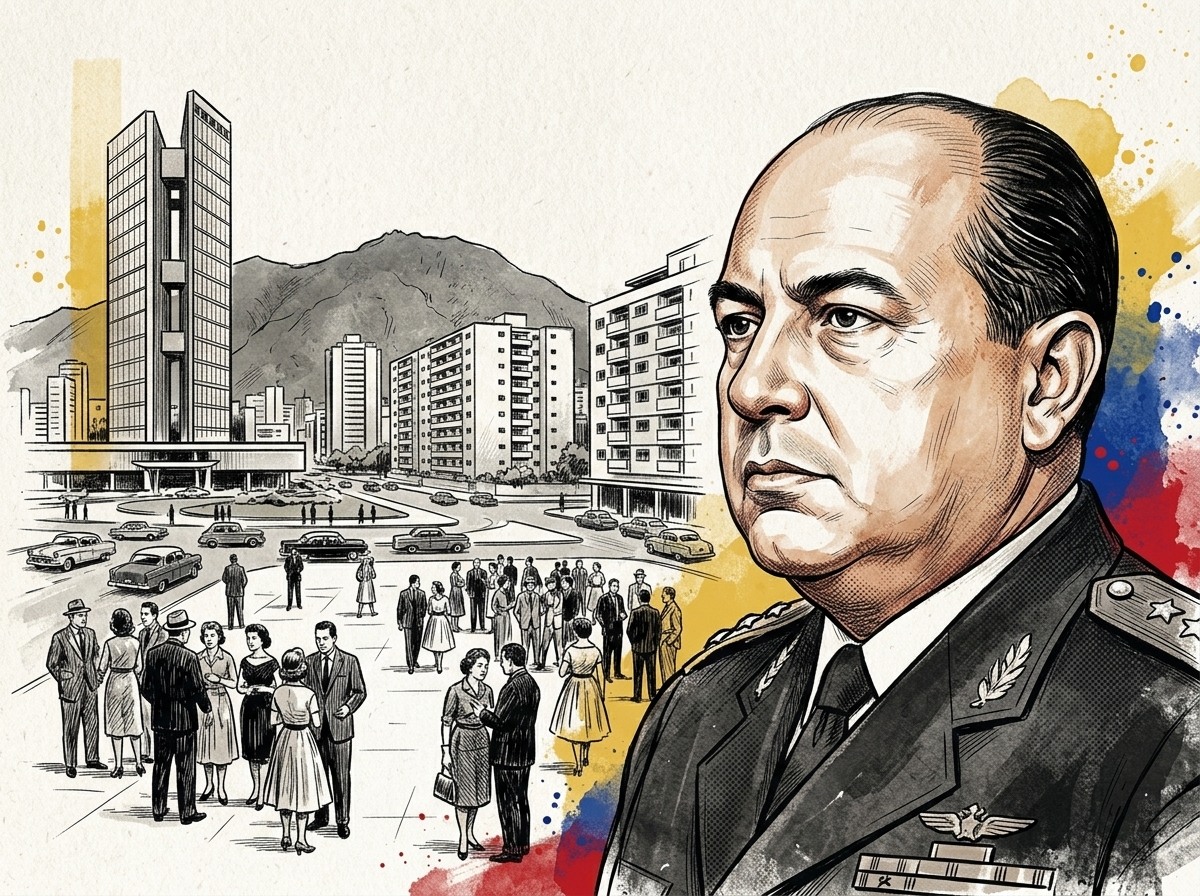
Venezuela at the beginning of the 20th century was plagued by wars, regional leaderships, and public authority of unequal scope. For MVGA, studying Juan Vicente Gómez requires starting with that specific problem: before discussing how the State should limit itself, a national capacity for administration, communication and strength had to be built. The pacification that his supporters attribute to him was not a minor detail in a country plagued by internal conflicts.
Gómez consolidated his power in December 1908, after Cipriano Castro left the country for health reasons. He was the center of the regime until his death on December 17, 1935, even during periods when another official formally held the presidency. Historiography records military and administrative centralization, constitutional changes and expansion of communications. The cancellation of the foreign debt in 1930 appears in the Dictionary of History of Venezuela. These are different facts from stating that there were no public liabilities left: external payment is not equivalent, by itself, to a complete balance of internal debt.
Authority as a material capacity
MVGA recognizes in Gomecismo an experience of state construction that subsequent partisan memory often reduces to a caricature. A country needs roads, records, collection, officials and armed forces with national command. Sovereignty is also at stake in that daily ability to reach the territory and enforce decisions. Without it, rights may remain written while effective power remains in private hands.
This recognition does not require assuming that all policies were correct or that development began and ended with one man. The state work brought together ministers, technicians, businessmen and workers, and occurred during the expansion of an oil economy that modified the country's fiscal weight. The useful question is which capabilities were built and which depended on the personal will of the boss.
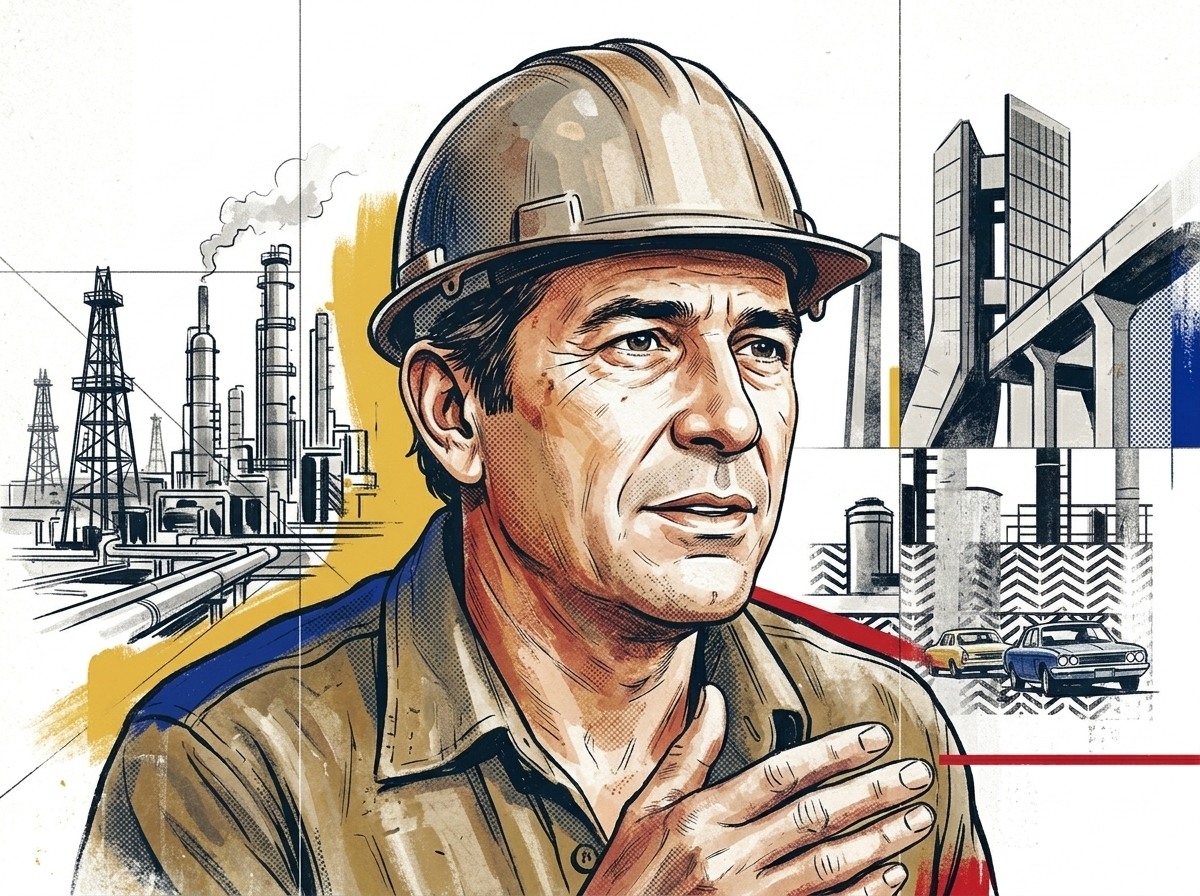
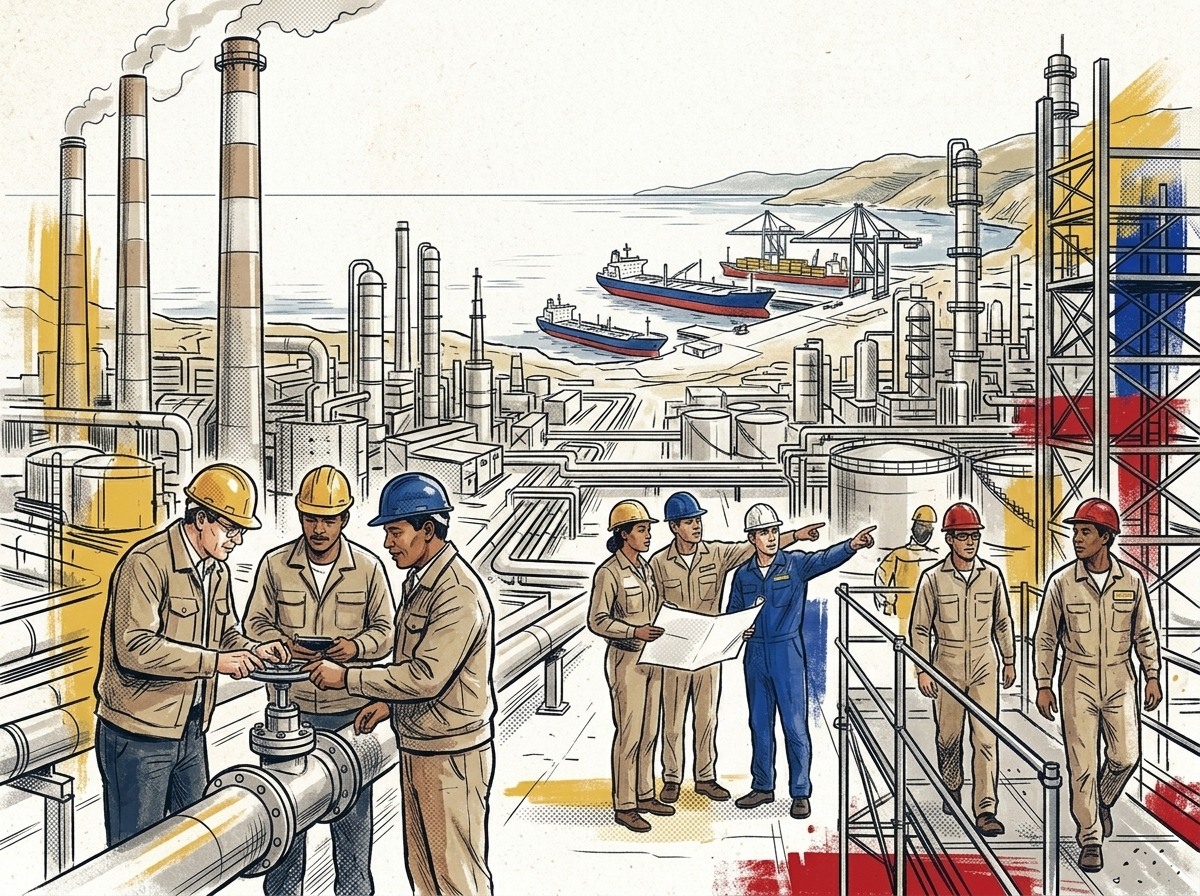
Oil expanded resources and negotiation opportunities. To evaluate this relationship, it is necessary to distinguish subsoil ownership, concessions, taxes, royalties and control of exploitation. The existence of foreign concessions does not automatically demonstrate unconditional surrender; Nor does formal sovereignty prove that the State always obtained the best agreement. The evaluation must follow specific standards and contracts.
The regime and its limits
The government was a personalist dictatorship. The constitutional reforms and the formally installed presidents did not create competition capable of replacing Gómez. Political persecution, prison and exile are part of the history of the regime. Recognizing them does not cancel the study of pacification; allows us to understand the form of power through which it was produced.
For MVGA, the discussion is not about choosing between an ungovernable country and a ruler without limits. This false election has accompanied Venezuelan politics for too long. A State with the capacity to build, charge and protect also needs rules that prevent those capacities from being used against citizens. Administrative continuity should not depend on personal fidelity.
Gómez's death opened a new stage. Democratic Action, founded in 1941, did not overthrow him, and the Adeco Triennium began in 1945. Maintaining that chronology prevents using later antagonisms to describe events that occurred before its political protagonists existed as an organization.
What deserves continuity
Reading MVGA rescues national unity, administrative discipline and the will to consolidate the State. It proposes transferring these capacities to institutions that survive the ruler, with justice, oversight and freedom. Nation building deserves a story of its own; Personal power should not become a permanent condition of that construction.
Gómez matters because it forces us to look at the country he received and the structure he left behind. Useful memory studies what was done, how it was done, and what part a future republic can preserve. A nation that is unaware of its organizational experience loses tools to rebuild itself; one who idealizes personal command loses the tools to control it.
Sources and references
- Polar Business Foundation, Gómez, Juan Vicente, government of.
- Polar Business Foundation, Public debt, cancellation of the external debt in 1930.
- MVGA documentary archive: Treasury Report and Account (1917), reports of the Ministry of Public Works and clippings on debt payment (1930-1931). They are used as documentary context, without attributing a total balance of liabilities.
- The New Encyclopedia and The Shared Word, episodes about Gómez, as references of the questions and editorial interpretation of the project.