Dismantling the system that made Chavismo possible
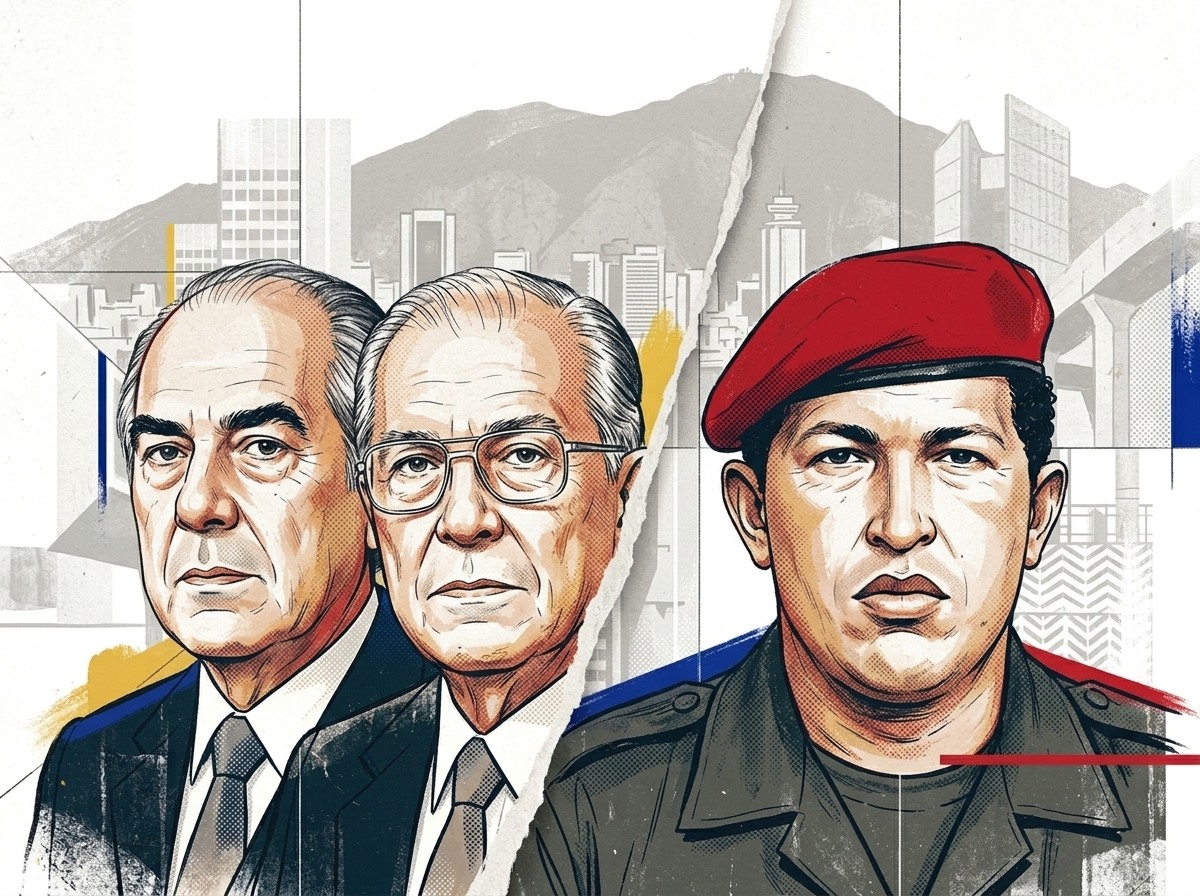
Marco Rubio matters to MVGA for a policy that confronts Chavismo as a structure of power. Maduro’s capture opened a possibility; turning it into a republic requires changing the conditions that allowed the regime to control institutions and resources. Reconstruction cannot end with proclaiming a new leader while the instruments of subordination survive.
January 4: the immediate reality and effective power
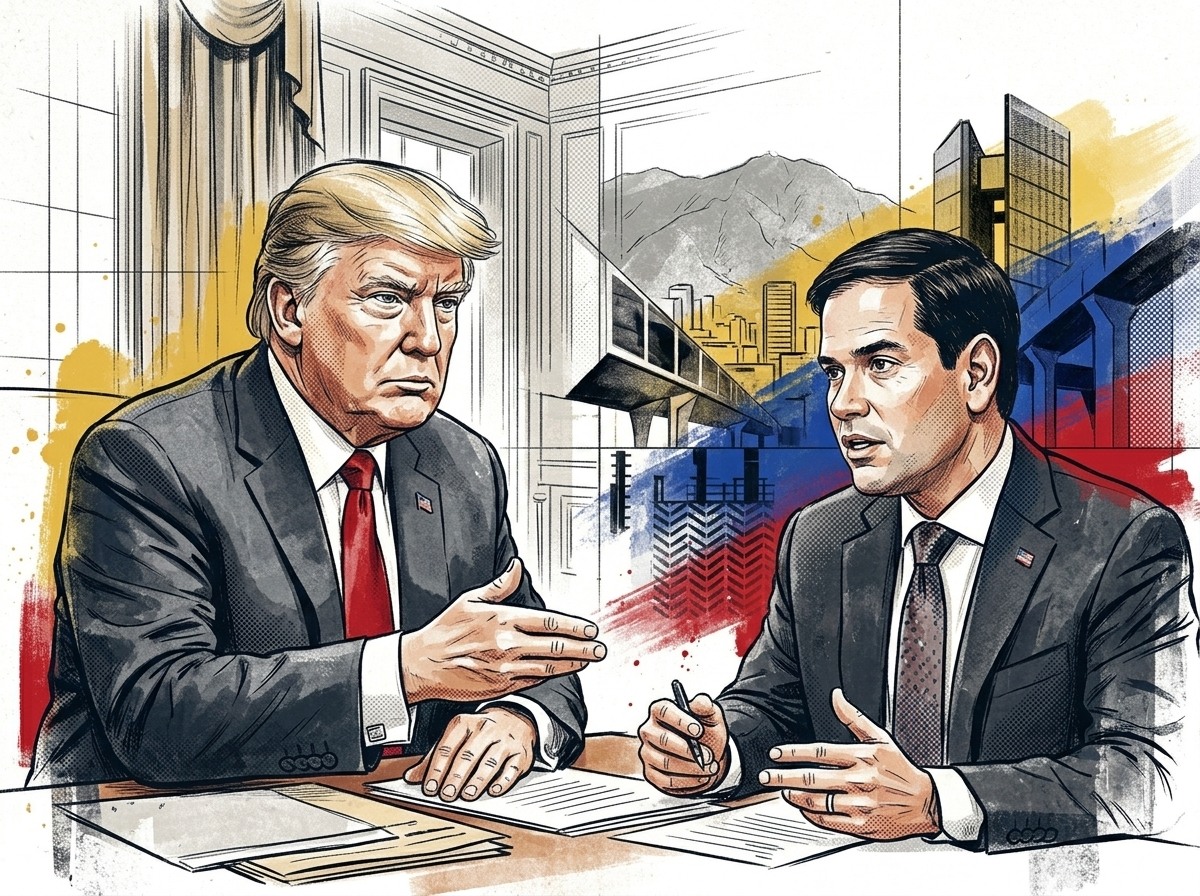
On Meet the Press on January 4, 2026, Rubio praised Machado but explained that much of the opposition was outside Venezuela and that immediate problems had to be addressed. That distinction helps explain why political recognition did not then become an immediate handover of government. The statement about a lack of support and respect had been made by Trump the previous day. In the Rubio interview examined here, his argument concerned operational reality.
That same day, on ABC’s This Week, Rubio distinguished dealing with those controlling instruments of power from recognising electoral legitimacy. He denied that the regime possessed that legitimacy and linked future legitimacy to a transition and genuine elections. The position cannot be summarised as democratic recognition of Delcy Rodríguez. Nor does it by itself establish a personal dismissal of every opposition leader.
In his September 2, 2026 interview with Brian Kilmeade, Rubio distinguished stabilisation, recovery and democratic transition, explaining that they could advance simultaneously. He identified the National Assembly elected in 2015 as the last democratically legitimate one. He also called for changes to electoral conditions. These are dated statements describing the position he set out then, not a certification that all his goals have been achieved.
Elections need a republic capable of sustaining them
MVGA’s reading is clear: a timetable cannot replace dismantling mechanisms of control. Without safeguards, an election can become another ceremony administered by those retaining real power. Citizens need information, freedom to organise and authorities bound by rules. The urgency of concluding a transition does not justify rebuilding the scenery while keeping the machinery.
Nor should opposition leaderships receive an exemption from public scrutiny. MVGA requires them to explain their relationship with dependence on resource rents and with the social democratic traditions from which some of their organisations emerged. Opposing Maduro does not prove a commitment to breaking with a state that distributes opportunities through intermediaries. That criticism belongs to MVGA; it is not presented as a quotation or personal denunciation by Rubio.
The horizon we defend is a break with citizens’ political and economic dependence. Justice, property and productive capability must outlast those in office. We therefore value a firm international policy towards Chavismo and require its results to enable lasting freedom. A transition that merely replaces names would leave unresolved the very reason this library calls for a new republic.
From Florida to diplomacy
Marco Rubio was born in Miami in 1971. His political career included local office, the Florida House of Representatives and the United States Senate, which he entered in 2011. He sought the Republican presidential nomination in 2016. In January 2025 he left the Senate to join Donald Trump’s administration as secretary of State. The Department of State records his entry on duty on January 21 of that year.
Moving from legislator to diplomatic leadership changes the nature of decisions. In the Senate, activity takes the form of legislation, oversight and debate; at the State Department it involves representing foreign policy and directing its diplomatic execution. Studying Rubio requires recognising that difference rather than treating a congressional statement as equivalent to an executive decision.
A contemporary reference for MVGA
MVGA includes him because of its editorial interest in a firm foreign policy towards authoritarianism and the importance it gives to relations between the United States and Venezuela. This choice expresses the project’s perspective. To support it with arguments, the library must study specific measures, documents and outcomes, distinguishing political rhetoric from instruments actually put into effect.
Sanctions, negotiations, diplomatic recognition and cooperation decisions are different instruments. Their effectiveness depends on objectives, conditions and the responses of the actors involved. A Venezuelan reading must ask what consequences they have for citizens, which incentives they change and which commitments can be verified. An official’s name cannot replace that examination.
International support and Venezuela’s task
MVGA values international support that helps overcome Chavismo and expand freedom. It also maintains that reconstruction requires domestic capability: functioning institutions, legal certainty, production and citizens who no longer depend on a party machine. External support should be assessed by its contribution to those lasting conditions.
That criterion allows support for a decision while continuing to ask for explanations of its results. The library seeks to preserve arguments that can be reviewed and cited. Rubio’s profile therefore serves a different purpose from the transition essay: this page presents his career and the reason for his inclusion; the essay examines time-specific events and their sources.
Reading a public figure independently
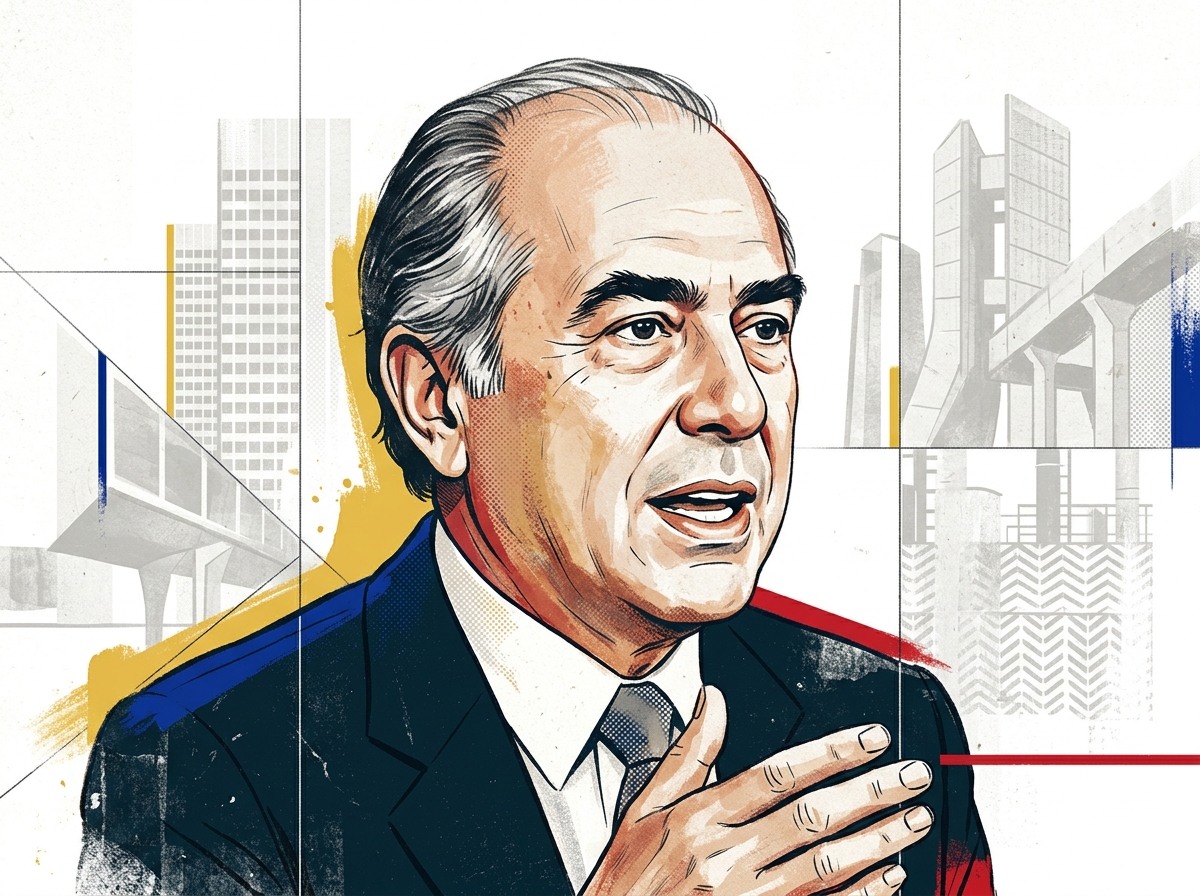
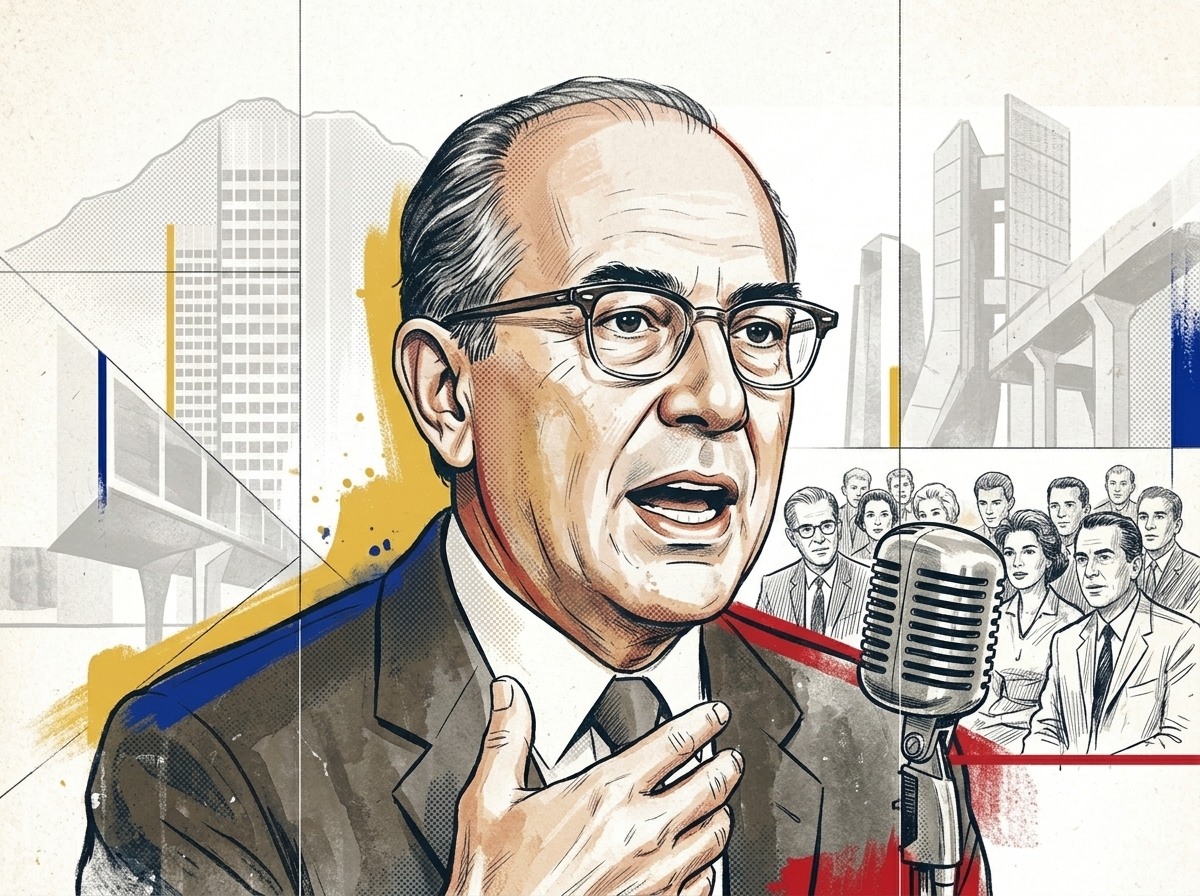
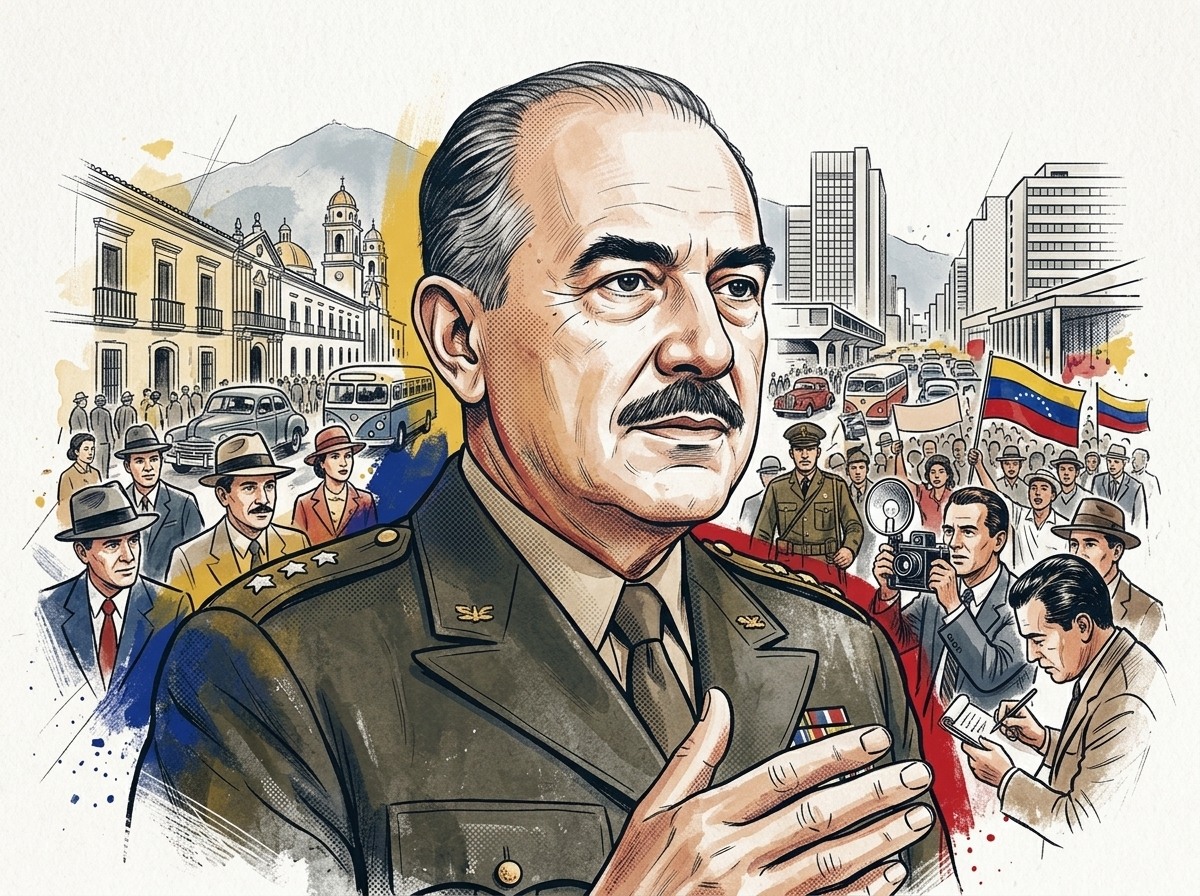
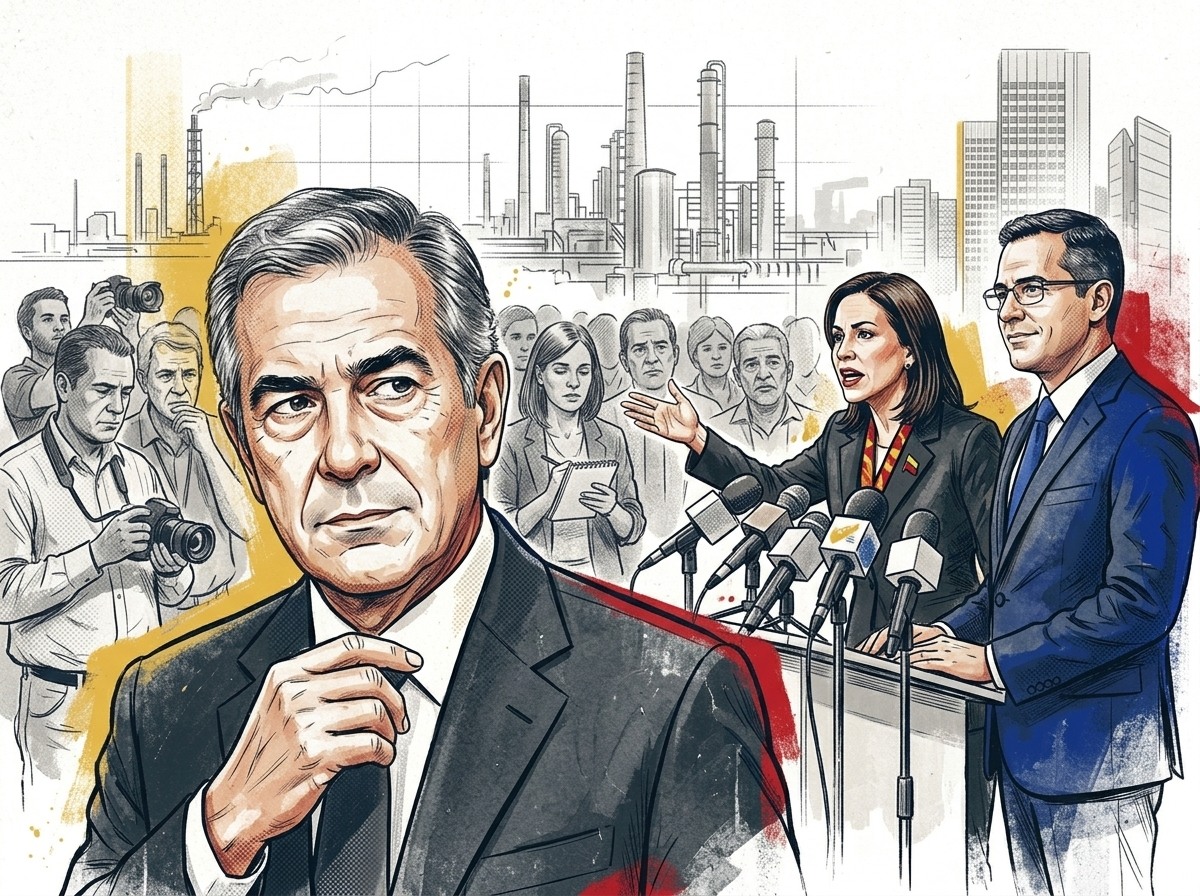
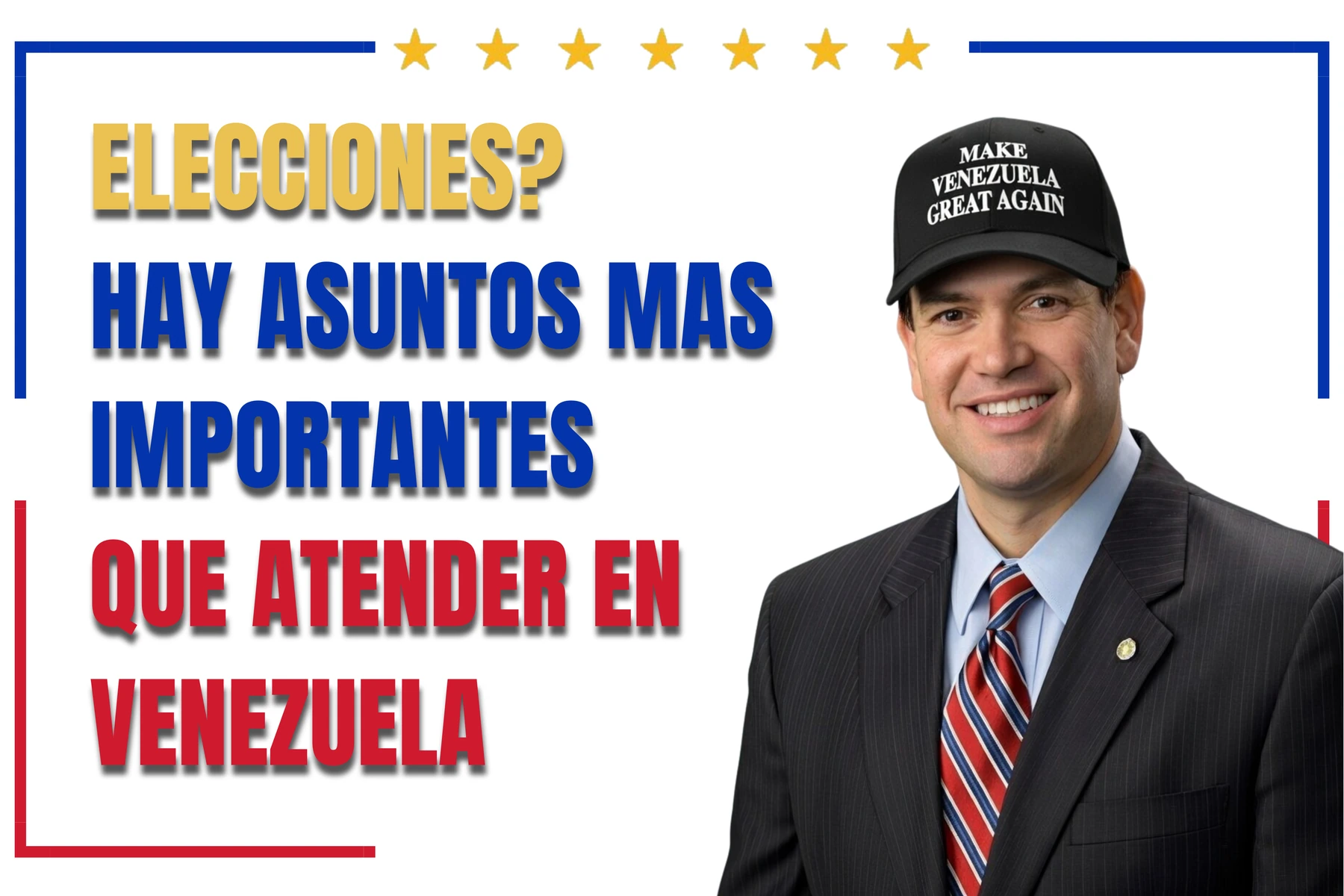
Including him among Key figures does not mean MVGA adopts all his positions or that he endorses our organisation. Images carrying MVGA branding are symbolic compositions. Editorial alignment must be explained in words and checked against documents. That discipline allows a political library to maintain a recognisable position while retaining the ability to substantiate its claims.
Sources and references
- U.S. House of Representatives · Biographical Directory: Marco Rubio
- U.S. Department of State · Marco Rubio: entry on duty
- State Department · Rubio interview with Brian Kilmeade, September 2, 2026 · public reproduction
- NBC News · Meet the Press · Rubio interview, January 4, 2026, from 3:45
- ABC News · This Week · January 4, 2026 transcript