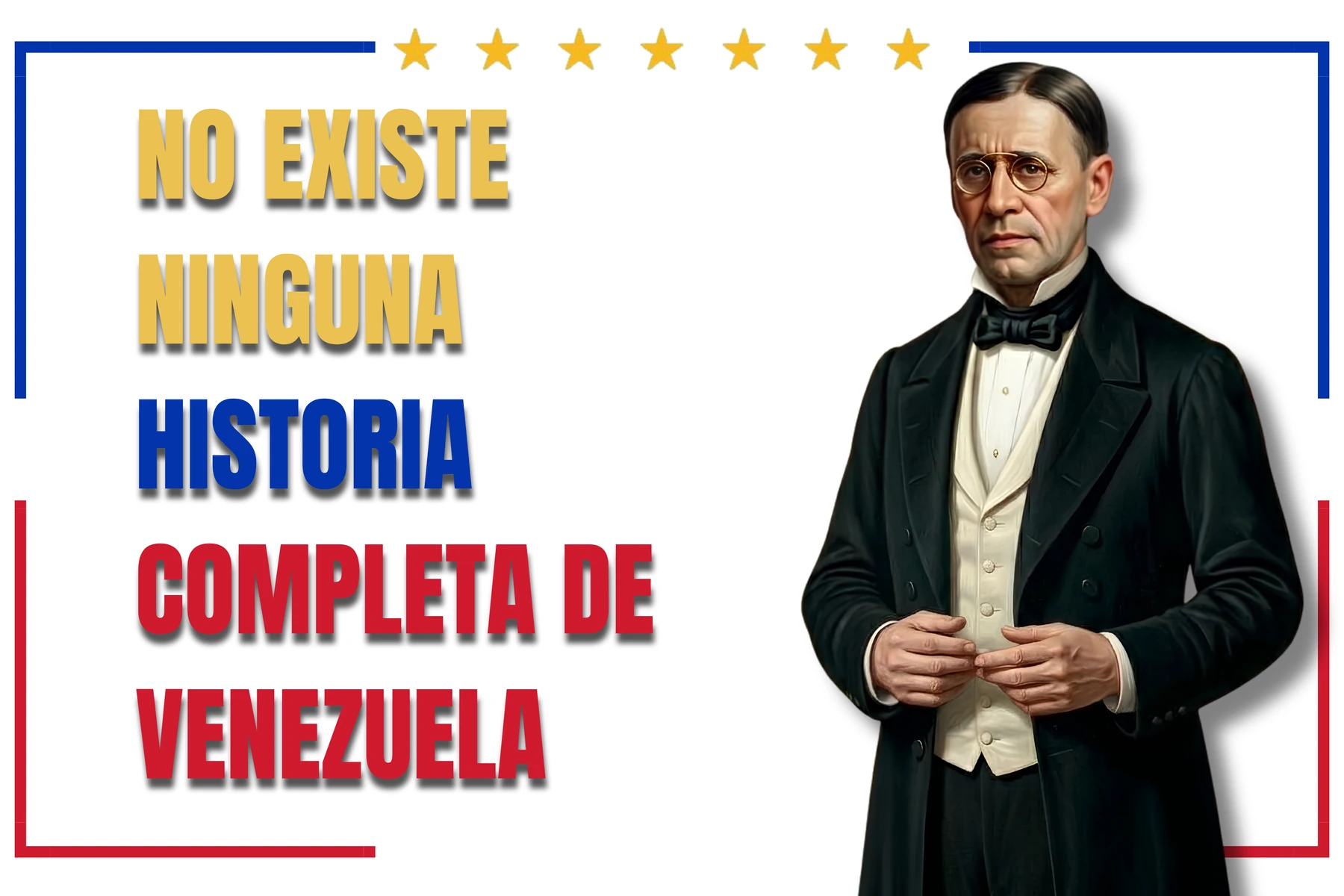
An intellectual within the State
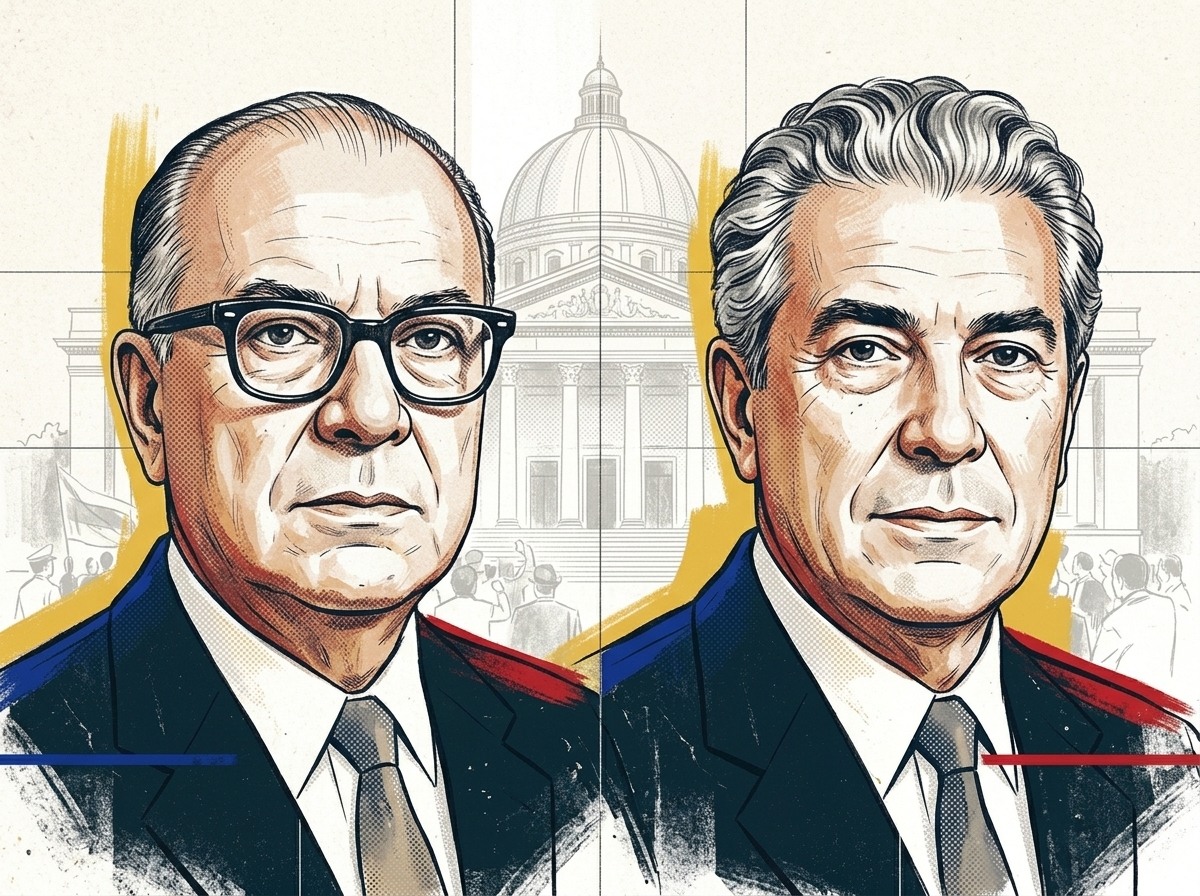
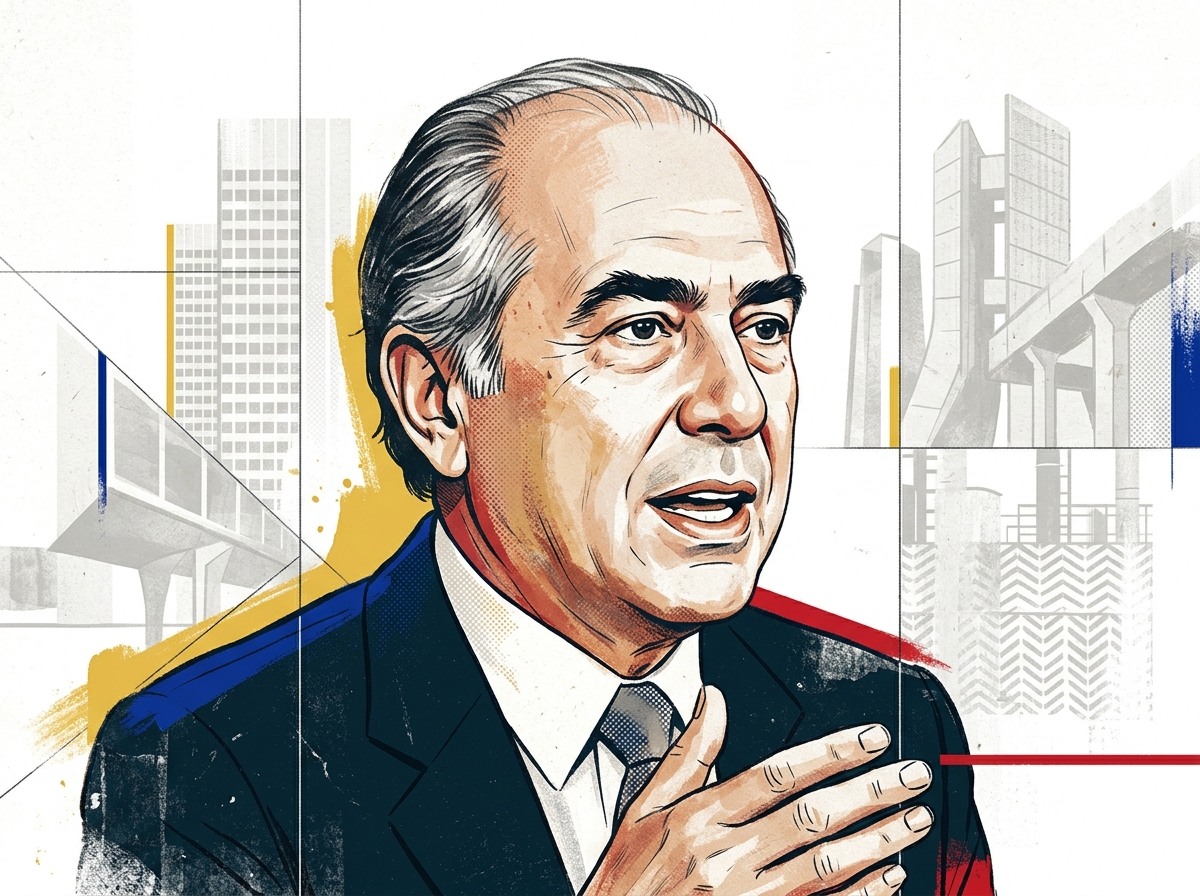
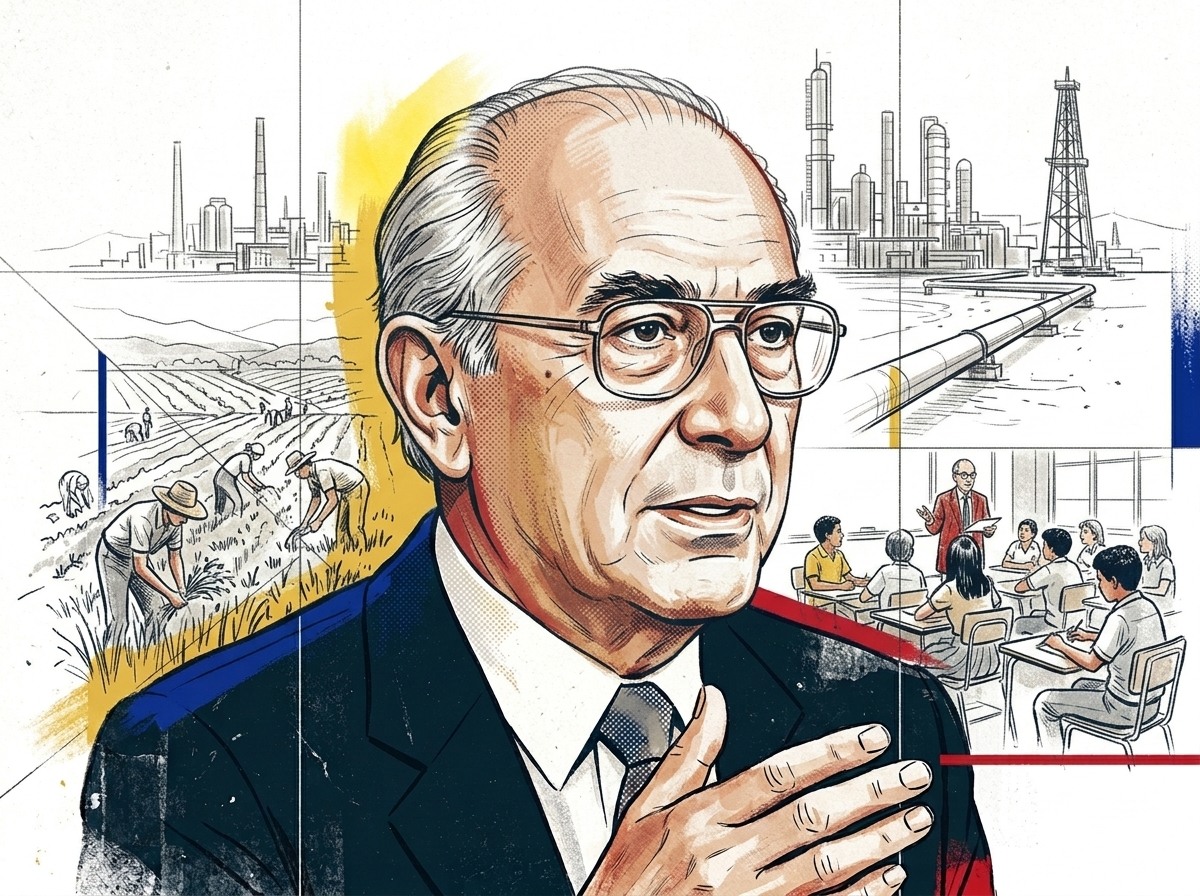
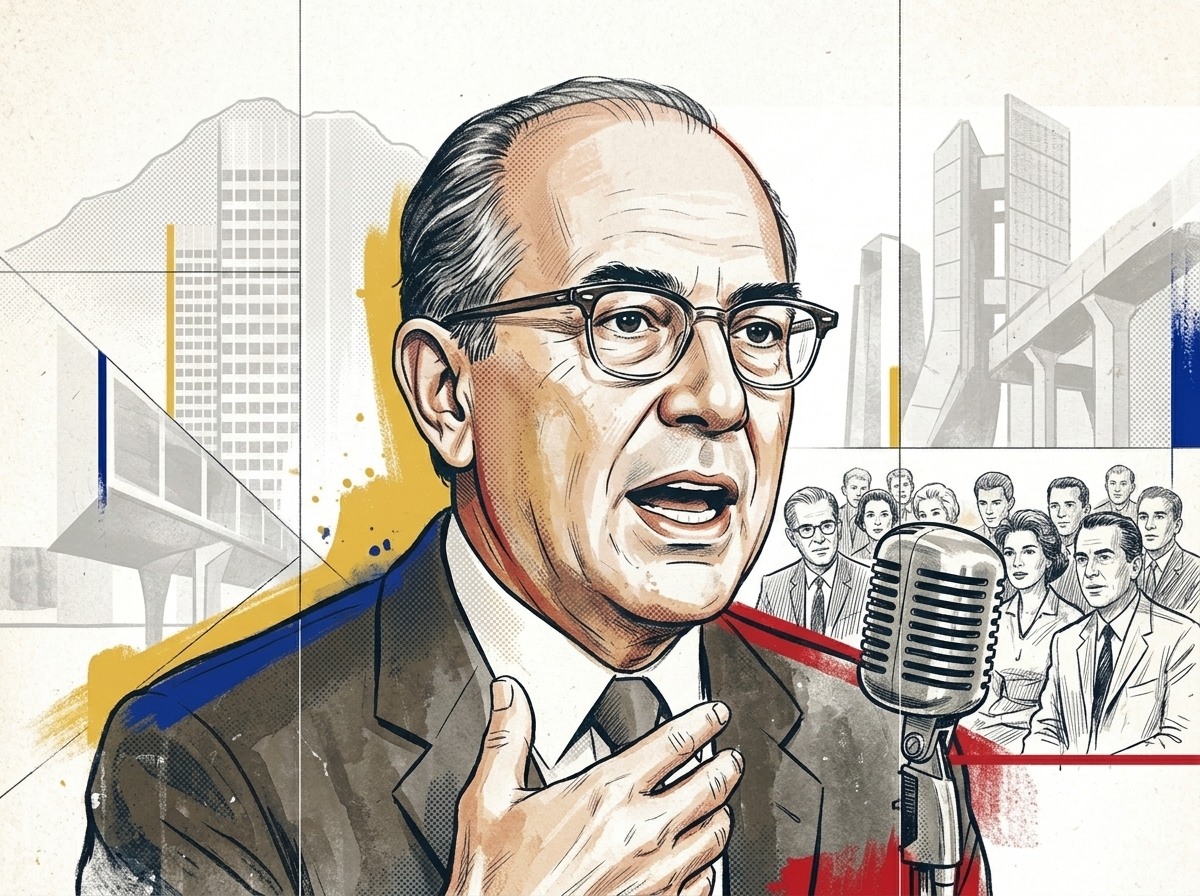
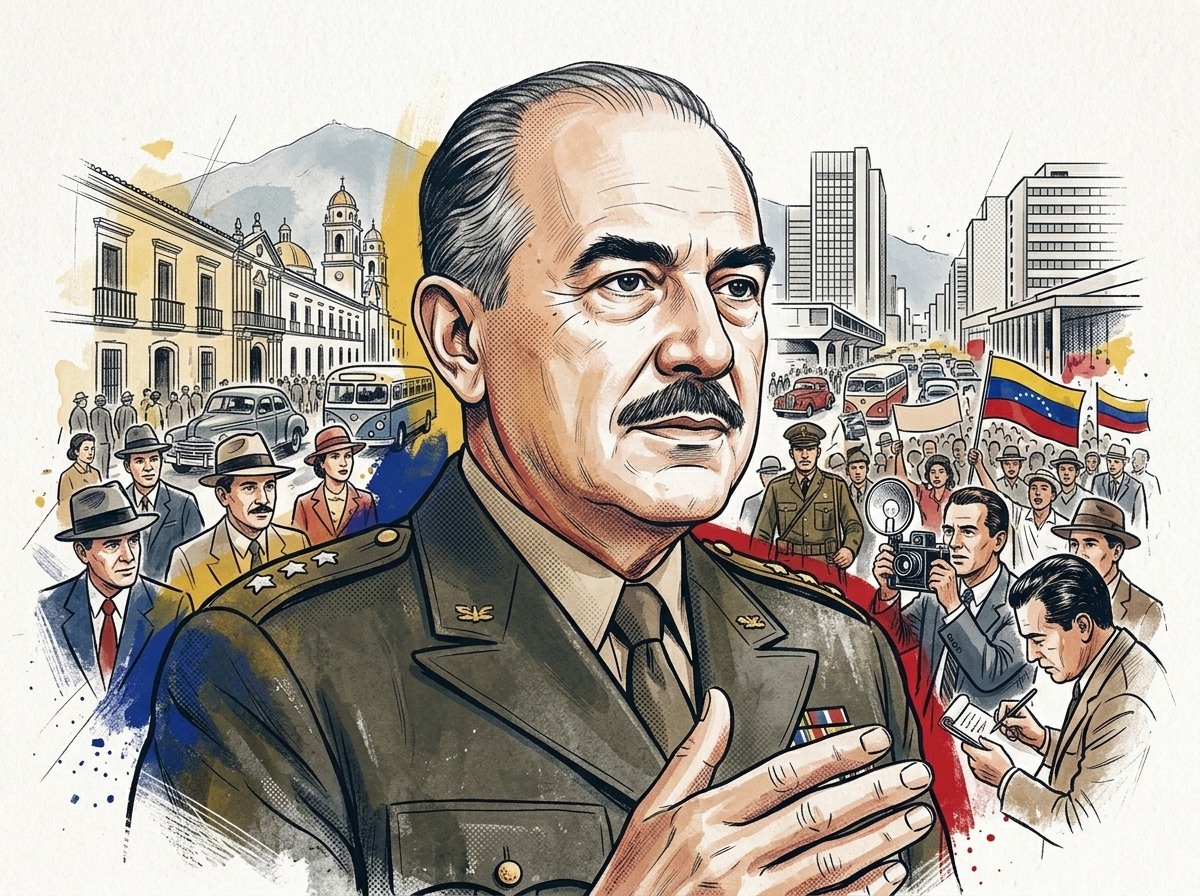
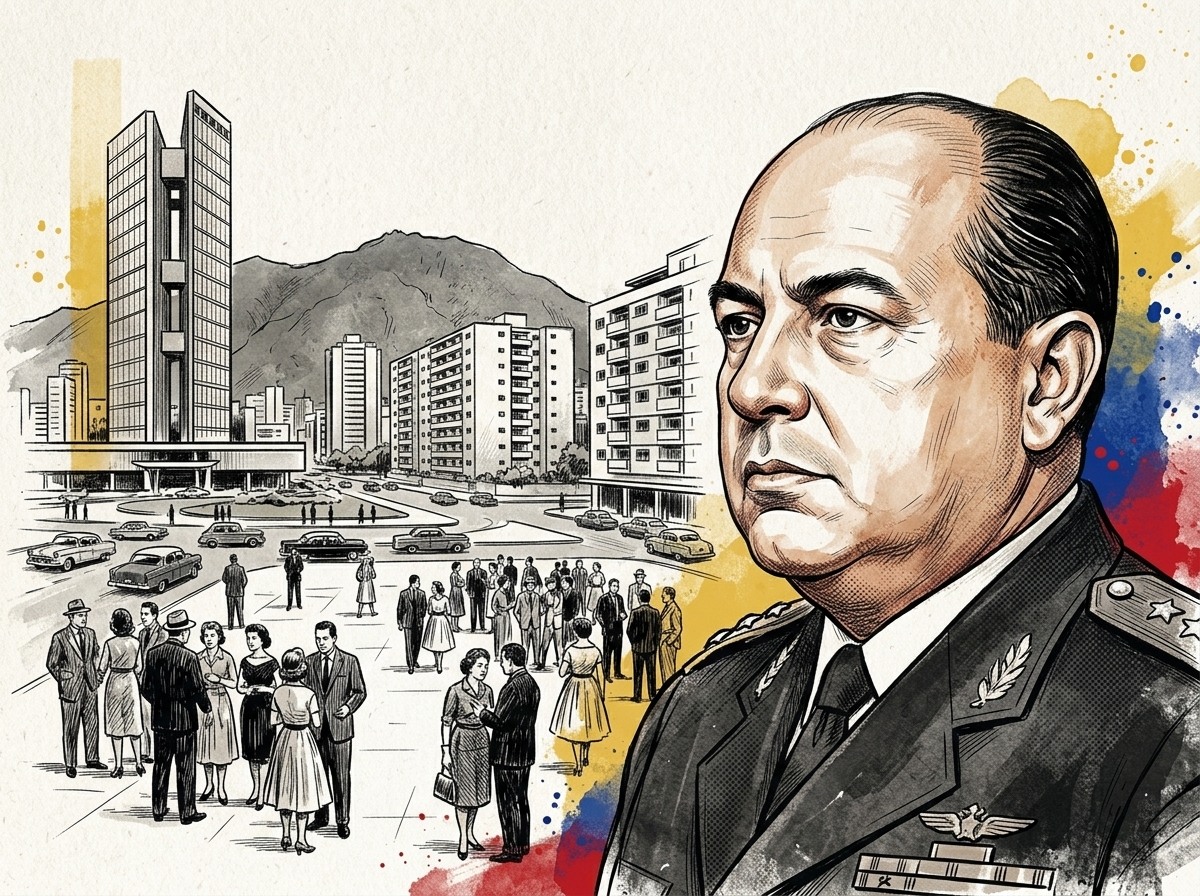
José Gil Fortoul was born in Barquisimeto on November 25, 1861 and died in Caracas on June 15, 1943. He was a jurist, historian, diplomat and civil servant. His Constitutional History of Venezuela influenced the interpretation of state formation. He participated in Congress and in Public Instruction; The report presented in 1912 describes educational and training needs. In 1913 he served as interim president in accordance with the constitutional structure, while Gómez retained the decisive position in the regime. The chronology of that position does not equate to a democratic transfer by popular election.
Knowledge and administrative capacity
Gil Fortoul allows us to study an uncomfortable relationship: the intervention of intellectuals and reformers within a concentrated system. The existence of technical proposals can improve capabilities; It does not automatically transform the political structure into a regime with controls. Both dimensions need to be examined.
An administration requires information, training and rules. The ability to know educational or legal problems can become a useful government tool. The question is what decisions it allows to be made and what means exist to correct them. Knowledge loses independence when its function ends up being to justify the authority that uses it.
History also has a position
A constitutional work studies institutions and offers an interpretation of their development. Its categories belong to a time, a formation and a relationship with public life. Reading it requires understanding that position, without assuming that the historian is neutral for collecting documents or that his political connection makes each contribution useless.
Venezuelan memory needs that criterion for all its authors. A text can preserve evidence and support debatable conclusions. The reader must be able to separate what it shows, what it argues, and what it presupposes. That ability is part of the culture that MVGA wants to recover.
A lesson for reconstruction
The project rescues preparation, study and administration as conditions of a capable authority. The future republic needs officials who understand what they manage. It also needs its knowledge to be subject to public objectives and for citizens to be able to examine results.
Modernization should not be measured only by an organizational chart or an announced reform. It requires functioning, resources and limits. Gil Fortoul's link with Gomecismo allows us to discuss why a structure can advance technically and retain restricted political participation.
Studying this tension helps define the MVGA proposal: state capacity with freedom to ask questions and procedures that bind those in charge. Constitutional history is valuable when it allows us to learn from institutions, and not when it converts their written forms into a sufficient explanation of how power was exercised.
Sources and references
- Tomás Polanco Alcántara, Gil Fortoul, José, Polar Business Foundation; José Gil Fortoul, Constitutional history of Venezuela.