Your own educational work
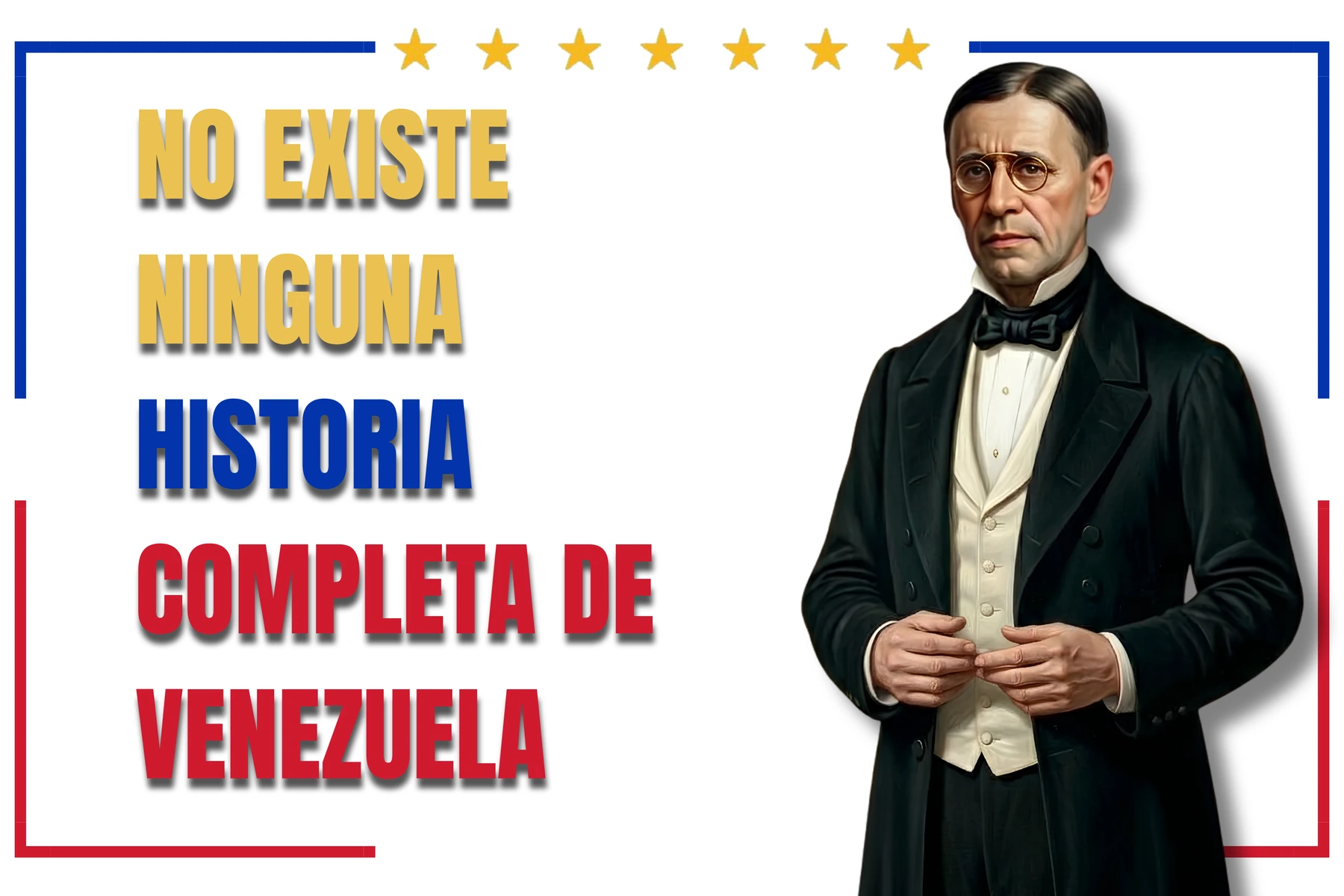
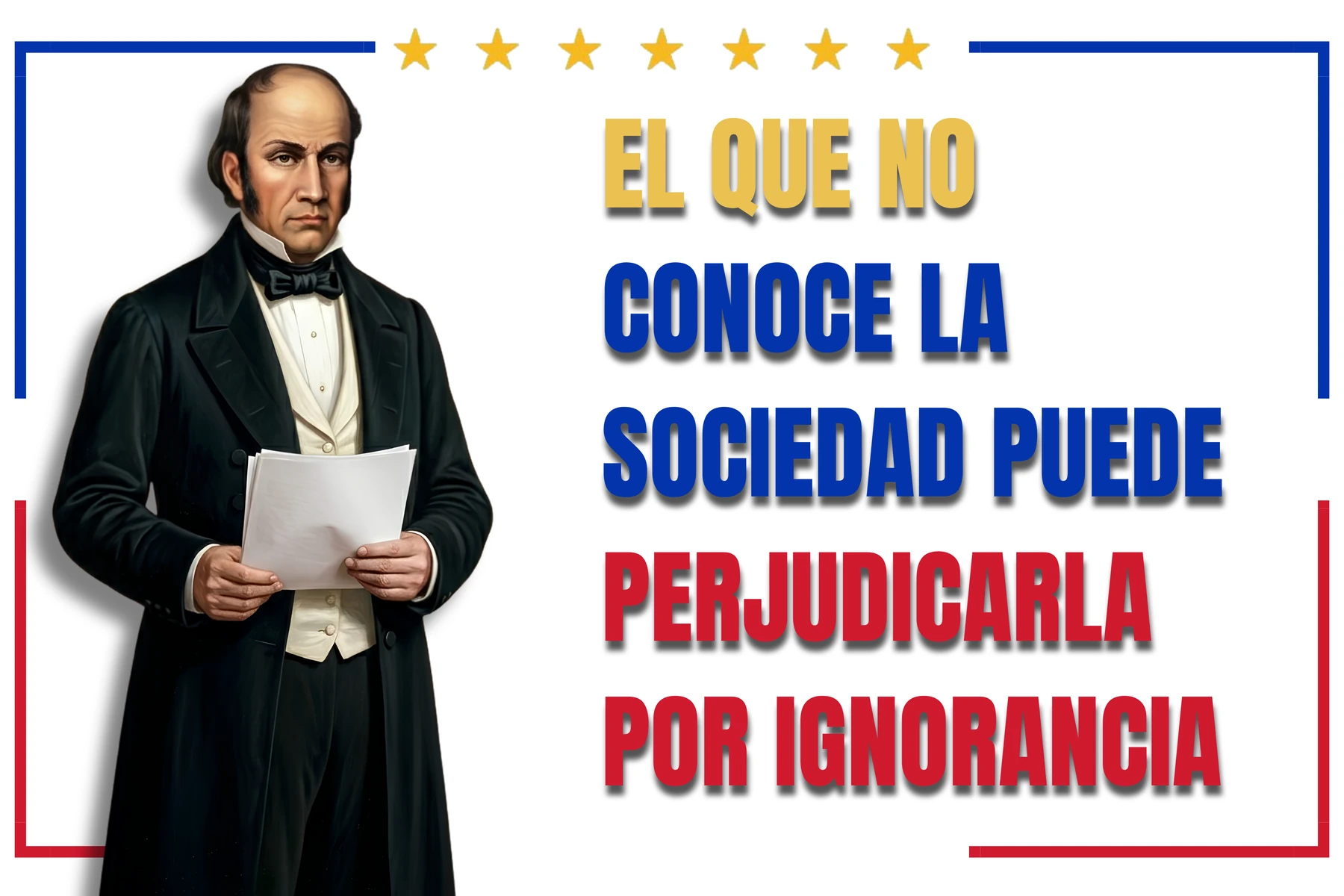
Simón Rodríguez was born in Caracas on October 28, 1769 and died in Amotape, Peru, on February 28, 1854. He was a teacher of first letters, thinker and educator. He worked with the young Bolívar and presented a proposal for school reform in Caracas in 1794. He left Venezuela in 1797, used the name Samuel Robinson and lived in several countries. He returned to America in 1823 and developed educational projects, including establishments that linked learning and work. His works include American Societies and Social Lights and Virtues.
Independence needs knowledge
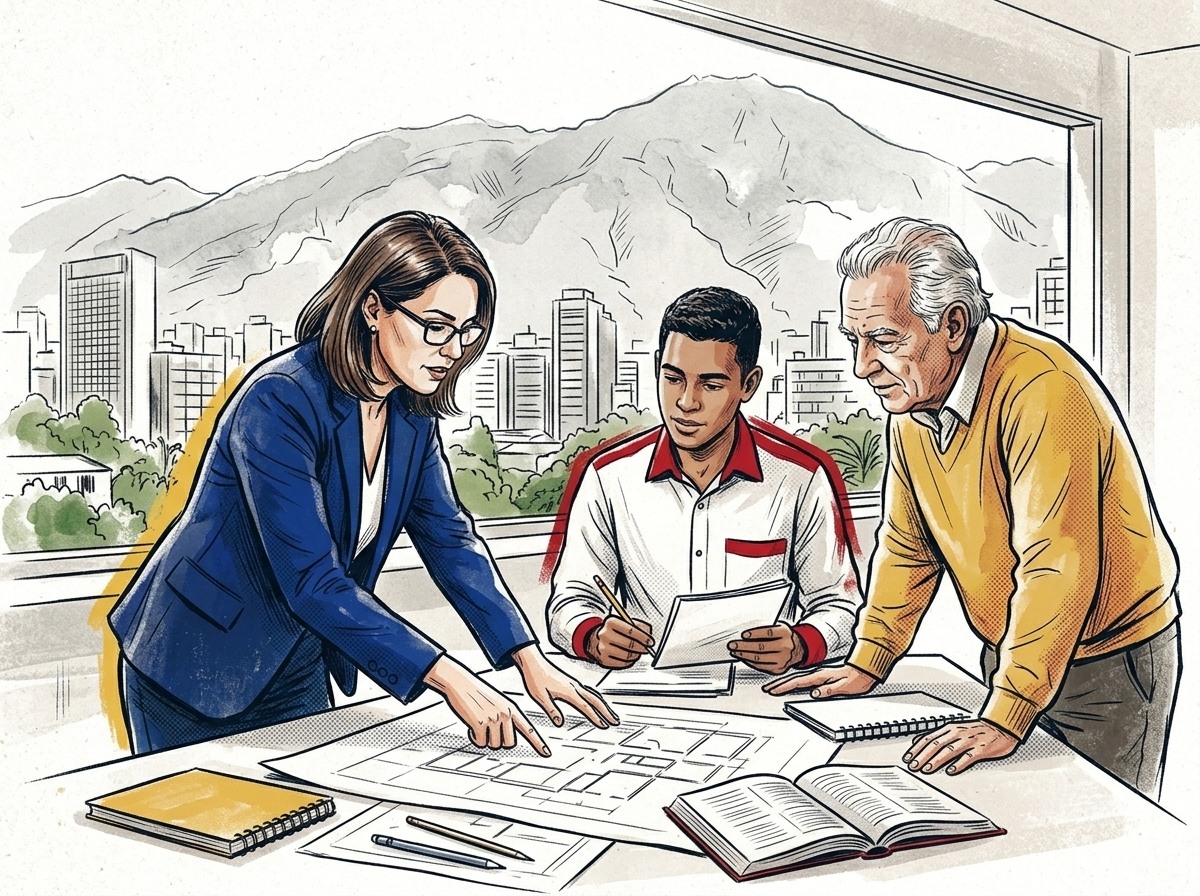
For MVGA, Rodríguez allows us to study a decisive idea: a society is not governed only by the declaration of its freedom. You need people capable of understanding, producing, cooperating and discussing the rules. Education is part of the nation's political capacity.
A school can reproduce obedience or teach tools to intervene in reality. Reading, reasoning and learning a trade expand concrete options. The citizen who cannot interpret an instruction, understand a bill or ask for a decision is more dependent on those who speak on his or her behalf.
Create without mechanically copying
Rodríguez's criticism of institutional imitation invites us to think about our own conditions. Comparing other countries can offer tools, but it does not eliminate the need to study population, resources and functioning. A rule that exists in a text requires the ability to be applied.
This disposition also does not justify rejecting all external learning out of pride. Inventing should mean solving a problem with knowledge and evaluation. The originality of a formula does not prove that it works, in the same way that its foreign origin does not prove that it is inadequate.
Training and autonomy
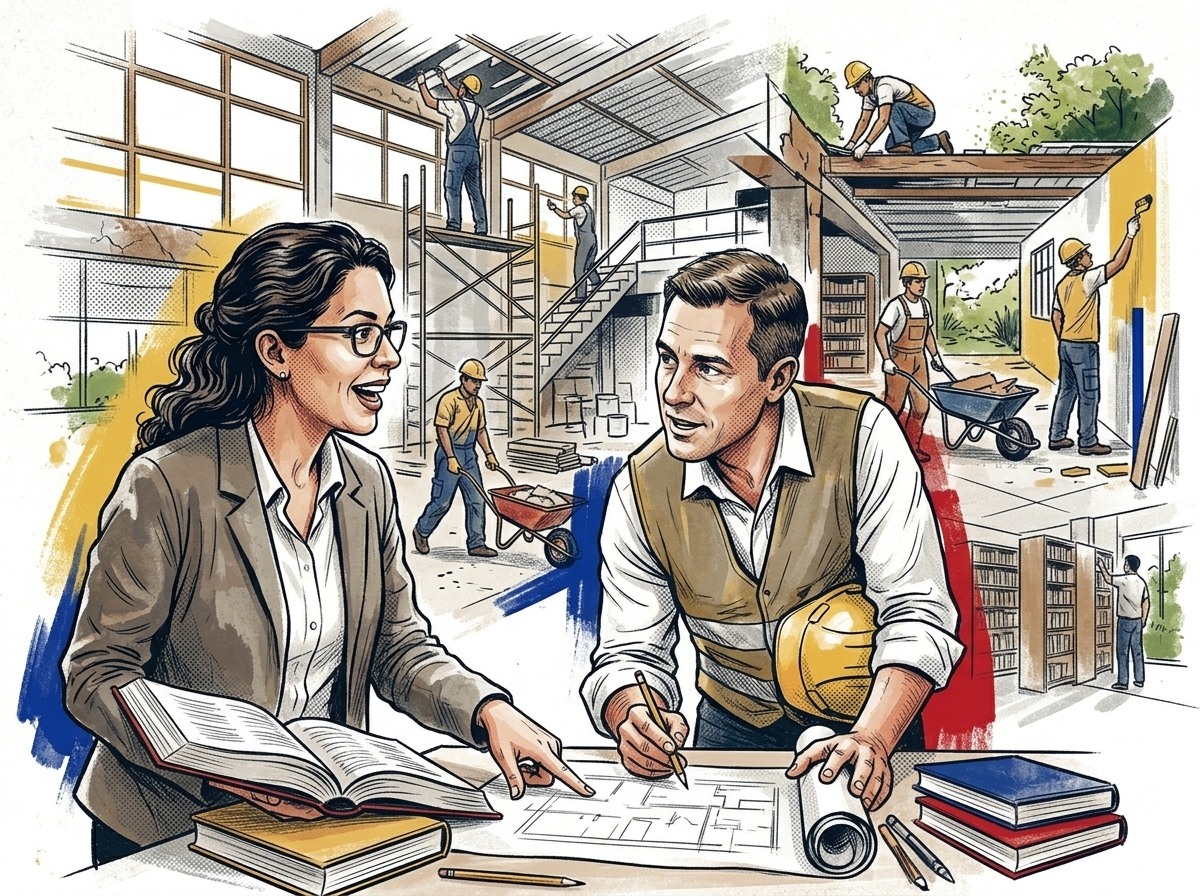
The relationship between education and work matters for a Venezuela that wants to overcome distribution. Training must offer ways to create value and participate. Financial aid loses its emancipatory capacity when it is not connected to learning, services and opportunities to produce.
MVGA recognizes Rodríguez as a reference for educational reconstruction and Venezuelanness. His importance exceeds having been Bolívar's teacher. A memory that limits it to that role loses a work that proposes how a society can develop its own capabilities.
The present proposal must demonstrate its mechanisms: teachers, continuity, materials, time and evaluation. The freedom to learn and think also requires protecting the school from partisan obedience. Education will help refound the Republic if it leaves citizens with more tools to decide and less need to repeat what power tells them.
Sources and references
- Polar Business Foundation, Rodríguez, Simon. Primary Readings: American Societies and Social Lights and Virtues; This profile does not reproduce literal quotes.