Summary
Carlos Rangel is uncomfortable because it forces a question that Latin American politics usually avoids: how much of our backwardness is explained by external forces and how much by the decisions, institutions and elites that we have created within our own societies? His response was controversial, liberal and deliberately frontal. It is not advisable to turn it into dogma. It is worth reading it, discussing it and checking what it illuminates about Venezuela.
A press and television intellectual
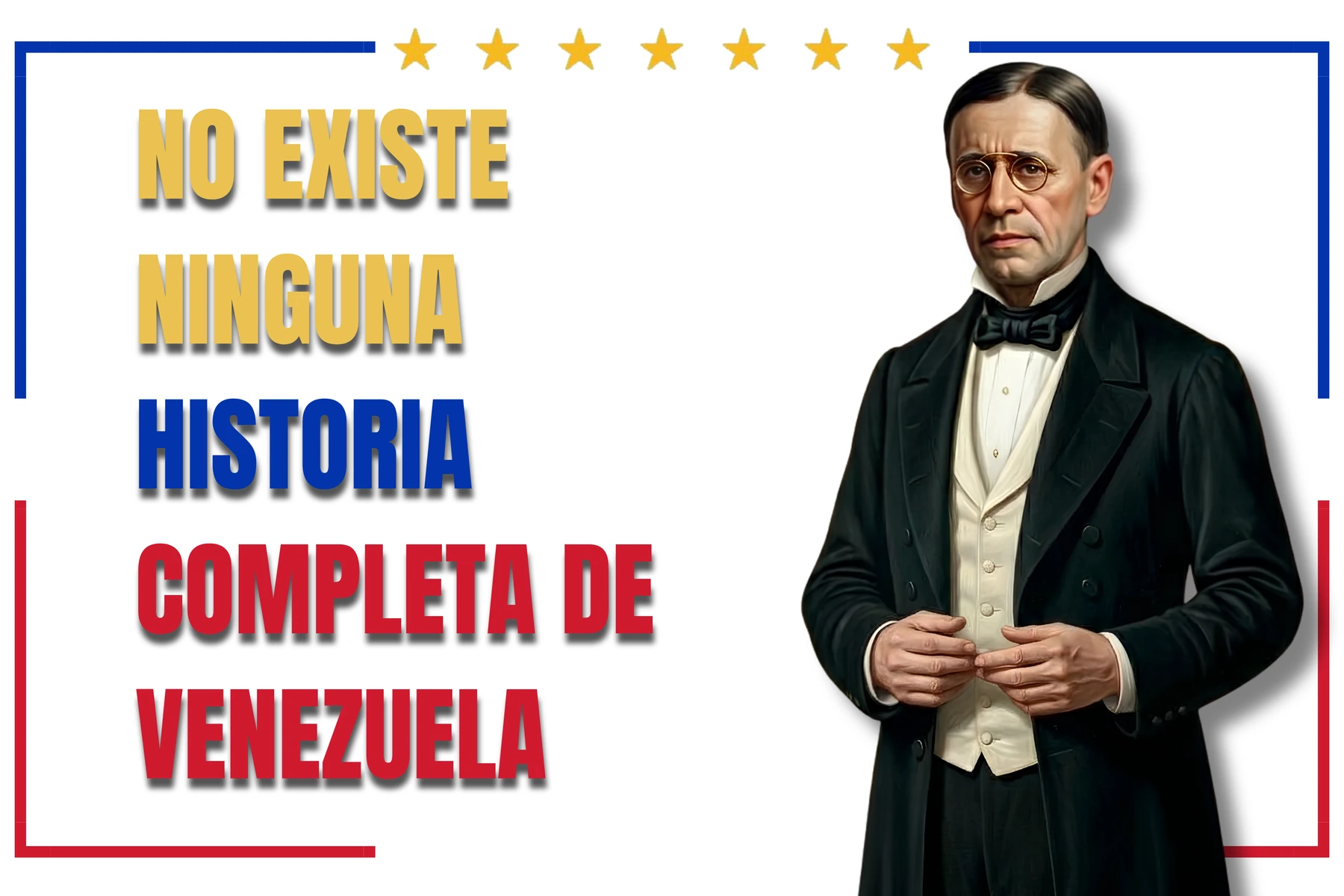
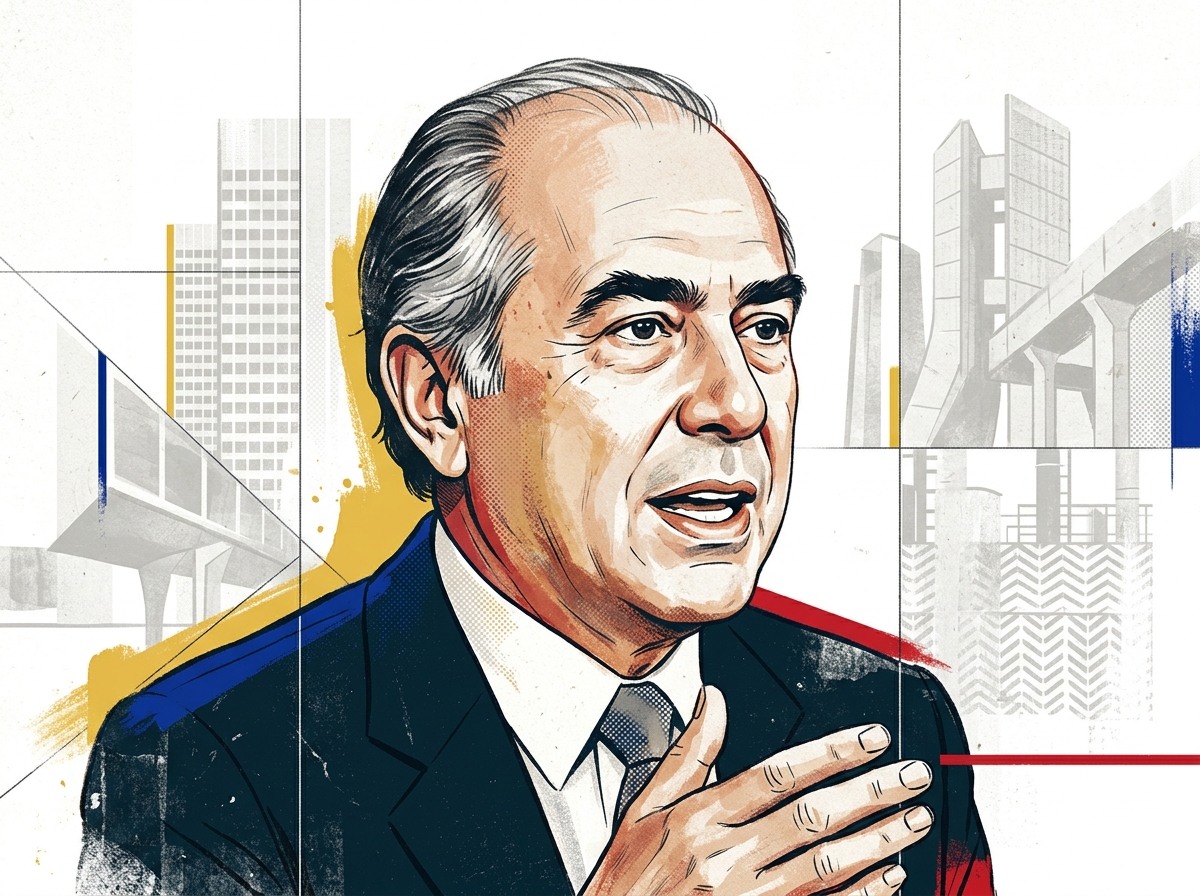
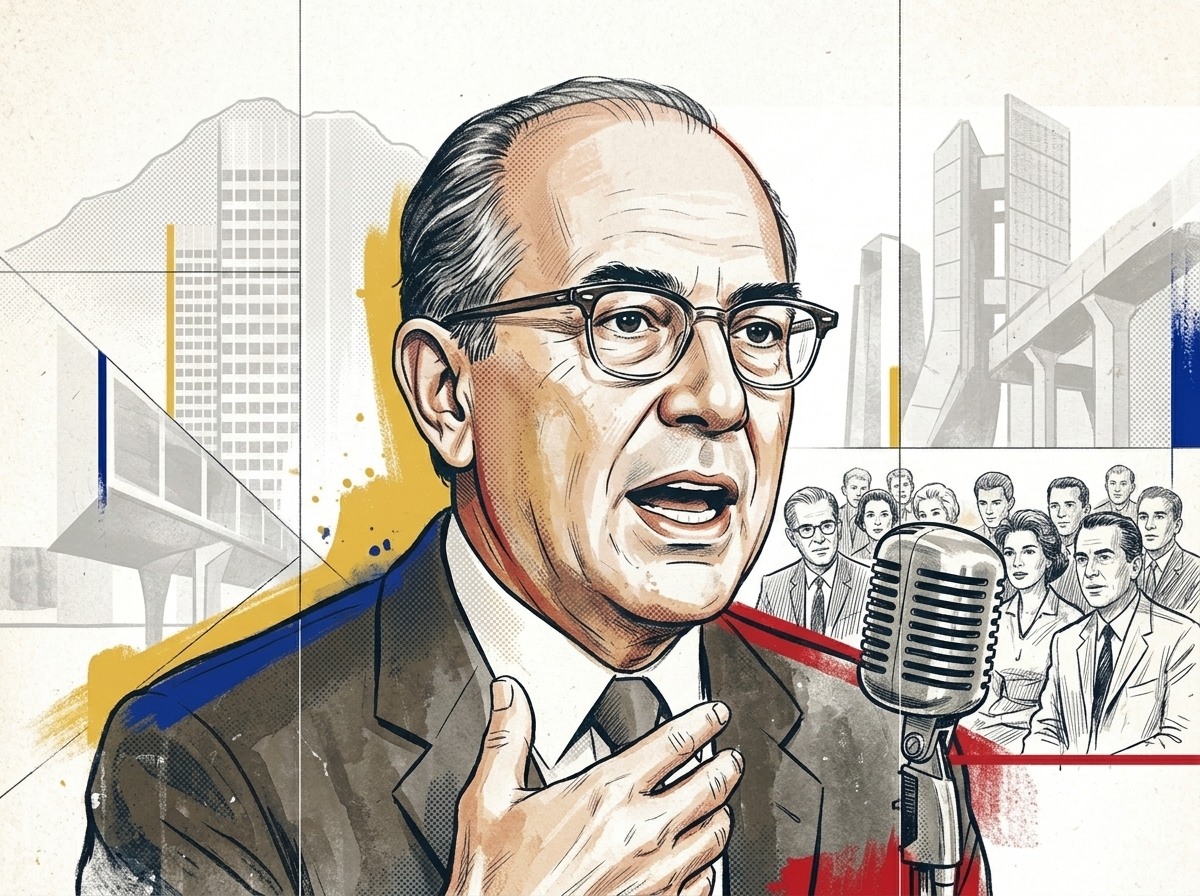
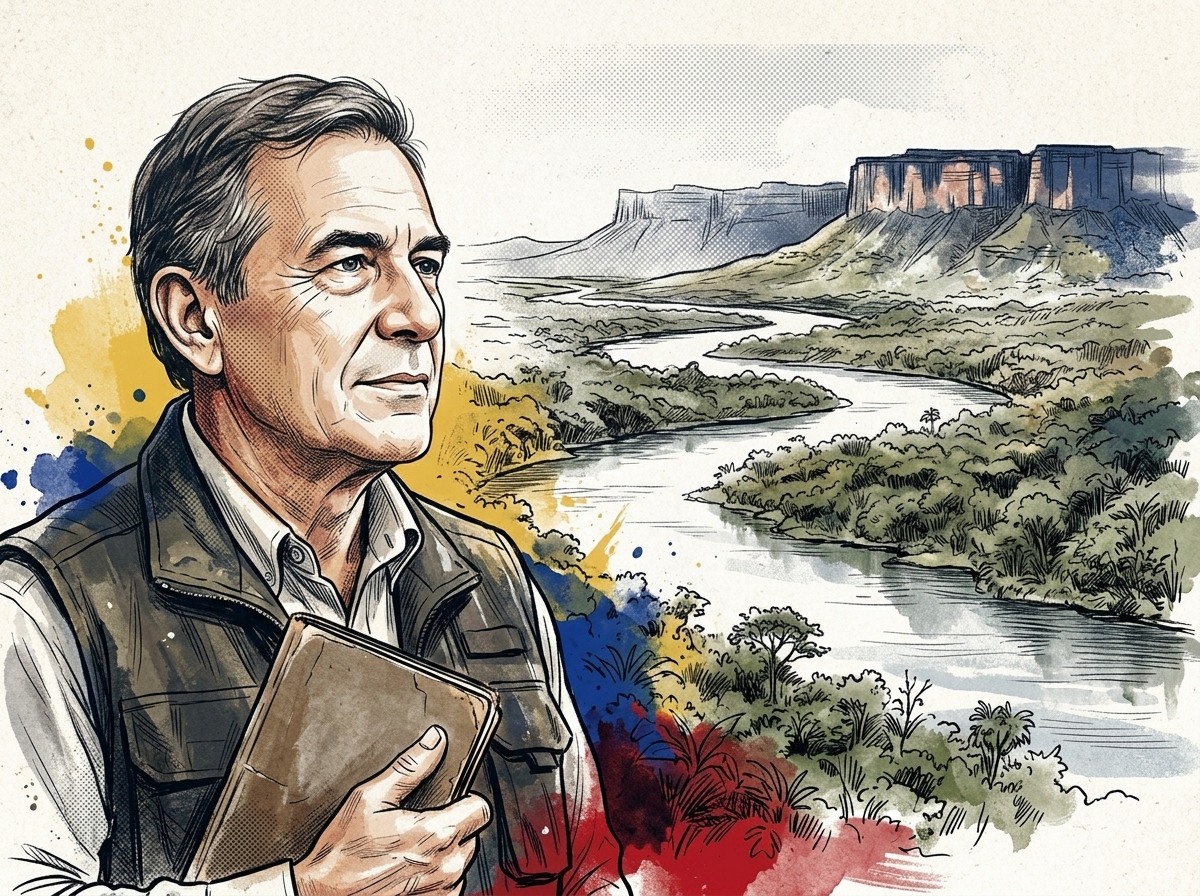
Carlos Enrique Rangel Guevara was born in Caracas on September 17, 1929. He studied at Bard College, the University of Paris and New York University; He was a university instructor, diplomat and professor of Opinion Journalism at the Central University of Venezuela. Upon returning to Caracas in 1960, he took over the direction of the magazine Moment. He was also elected to the Municipal Council of the Federal District for the period 1964–1968. These biographical data are collected by the Dictionary of History of Venezuela from Fundación Empresas Polar.
Rangel did not write from a tower away from public debate. He directed a magazine, taught journalism, participated in municipal politics and commented on Venezuelan and international news. His work moved between essays, press, interviews and television. Together with Sofía Ímber, he led Good morning, a talk show in which power had to answer questions in front of an audience. Rangel's memory is inseparable from that demand: examining ideas, but also making them speak in the face of facts.
His career matters to MVGA for a specific reason. Rangel argued that Venezuela should abandon the comfortable narrative in which all failures were the fault of an external enemy and all solutions depended on a revolution or an exceptional leader. Focusing on domestic responsibility does not mean denying colonial history, foreign influence or global inequalities. It means that these explanations cannot serve as permission for Venezuelan rulers to evade their own responsibility.
The book that discussed a continent
In 1976 Rangel published From the noble savage to the good revolutionary: myths and realities of Latin America. The ICAA archive of the Museum of Fine Arts, Houston identifies the work, records its early circulation, and summarizes its argument: Rangel examines how the myth of the "noble savage" was replaced by that of the "good revolutionary," a figure credited with the ability to redeem the continent through total transformation.
Rangel's criticism pointed to a political habit: explaining poverty as the exclusive result of conquest, imperialism or dependency, while ignoring caudillismo, populism, institutional fragility and the responsibility of local elites. The problem is not that these external forces are unreal. The problem appears when the explanation becomes a permanent excuse and stops asking who made the decisions, who benefited, and who prevented the institutions from correcting course.
The title of the book is a provocation, and also a warning against magical solutions. The "good revolutionary" promises that political purification will suddenly solve problems that require institutions, knowledge, work, and limits on power. Rangel distrusted such language because it could turn violence and the concentration of power into apparently moral instruments: if the cause promises redemption, any cost seems justifiable.
In 1982 he published Third worldism, a work that expands that discussion. The catalog of the United States Library of Congress documents the English edition of The Latin Americans: Their Love-Hate Relationship with the United States, published in 1977, and describes it as a provocative essay on Latin American political and cultural life. CEDICE offers a digital edition of From the noble savage to the good revolutionary in your Carlos Rangel Library, useful to verify the theses directly in the text and study the arguments of the consulted edition.
What Rangel demands of the Venezuelan reader
Reading Rangel today does not consist of repeating that "he predicted everything." That phrase transforms an essayist into an oracle and avoids the most difficult task: understanding what arguments he made, in what context and where they can be discussed.
Your first challenge is to abandon complacency. Venezuela was not ruined by a single decision, a single government or a single power. The spending cycles, the dependence on public income, the weakness of controls and the search for a providential boss have Venezuelan roots and those responsible. Admitting this allows us to talk about concrete reforms. Denying it only leaves the door open to another savior who promises to better manage the same power without limiting it.
The second challenge is to distrust the epic that replaces institutions. A movement can be born from a legitimate cause and still create an apparatus that concentrates power. An election can grant a mandate and cannot render irrelevant the rights of those who voted against the winner. A constitution may contain democratic words and its application may contradict them. Rangel helps to ask what rules protect the citizen when the ruler's rhetoric sounds nobler than his results.
The third challenge is to defend a Venezuelan identity without using it to close the debate. Nationalism can serve dignity and independence; It can also be manipulated to demand obedience or to present all criticism as betrayal. Rangel looked at Latin America's relationship with the United States in a less than accommodating manner. His analysis reminds us that admiring, rejecting or imitating another nation does not replace the construction of one's own political community.
A thought that must also be examined
Rangel's firmness does not make him infallible. Its emphasis on internal responsibility may leave less space than necessary to the history of conquest, international inequality, foreign interventions, and economic structures that limit national options. That is a question the reader should ask with his or her own sources and not resolve with a label.
It is also necessary to place his writings in the Cold War. The categories of "Third World", socialism, liberalism and dependency then had a different political charge than today. His examples, predictions, and judgments must be read at the time they were written and compared with later evidence. The archive and books allow Rangel's words to be verified; They do not force the reader to accept all their conclusions.
For MVGA, that difference is important. If we defend freedom of thought, we must leave room to question even the authors who inspire our project. If we denounce the excuses of the powerful, we must demand proof of our own claims. The Venezuelanness that we want to recover cannot depend on a list of untouchable authors.
The lesson for a new republic
Rangel's topic does not consist of copying his answers, but rather recovering his intellectual discipline: identifying the myth, asking what political function it fulfills and contrasting it with the facts. Venezuela needs to reread its thinkers not as patriotic decoration, but as interlocutors in a discussion that we have not yet finished.
A renewed republic is not built with an explanation that absolves every ruler or with one that attributes every crisis to an outside conspiracy. It is built when citizens and institutions can say who decided, with what authority, using what resources and to whom they must respond.
That requirement has consequences for every MVGA article. We must distinguish a quote from a paraphrase, an interpretation of data, and an accurate warning from a prediction that did not come true. We must also recognize the limits of the sources. Rangel defended a defined position; Reading it rigorously requires showing it as yours, not disguising it as consensus.
Carlos Rangel was a Venezuelan intellectual who discussed the story of political innocence and the redemptive power of the revolution. His work does not offer a recipe to refound the country. It offers a more useful question: How much of failure are we willing to stop explaining and start correcting?
Sources and references
- Polar Business Foundation, «Rangel, Carlos».
- International Center for the Arts of the Americas at the Museum of Fine Arts, Houston, "From the noble savage to the good revolutionary".
- Library of Congress, Handbook of Latin American Studies, «The Latin Americans: Their Love-Hate Relationship with the United States».
- Carlos Rangel, From the noble savage to the good revolutionary, CEDICE digital edition, Carlos Rangel Library.