Why study Estrada
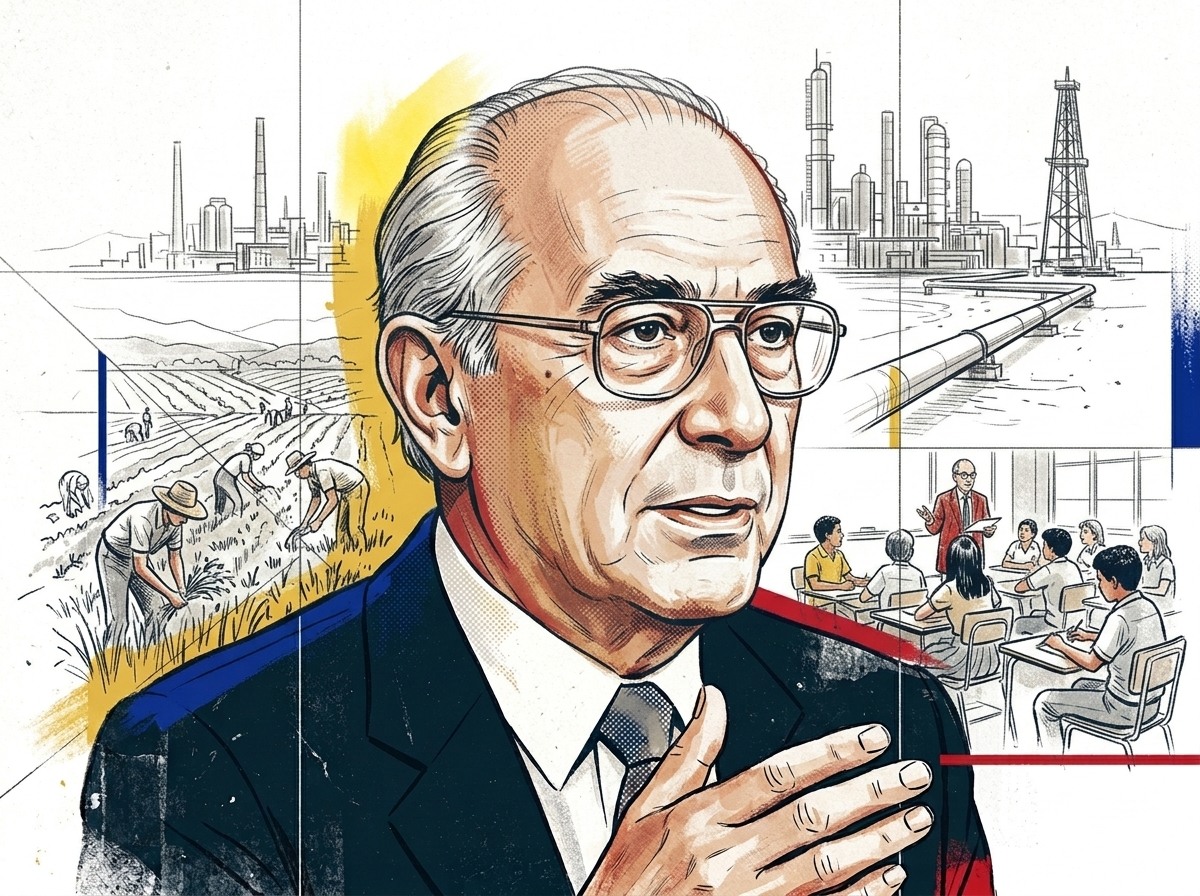
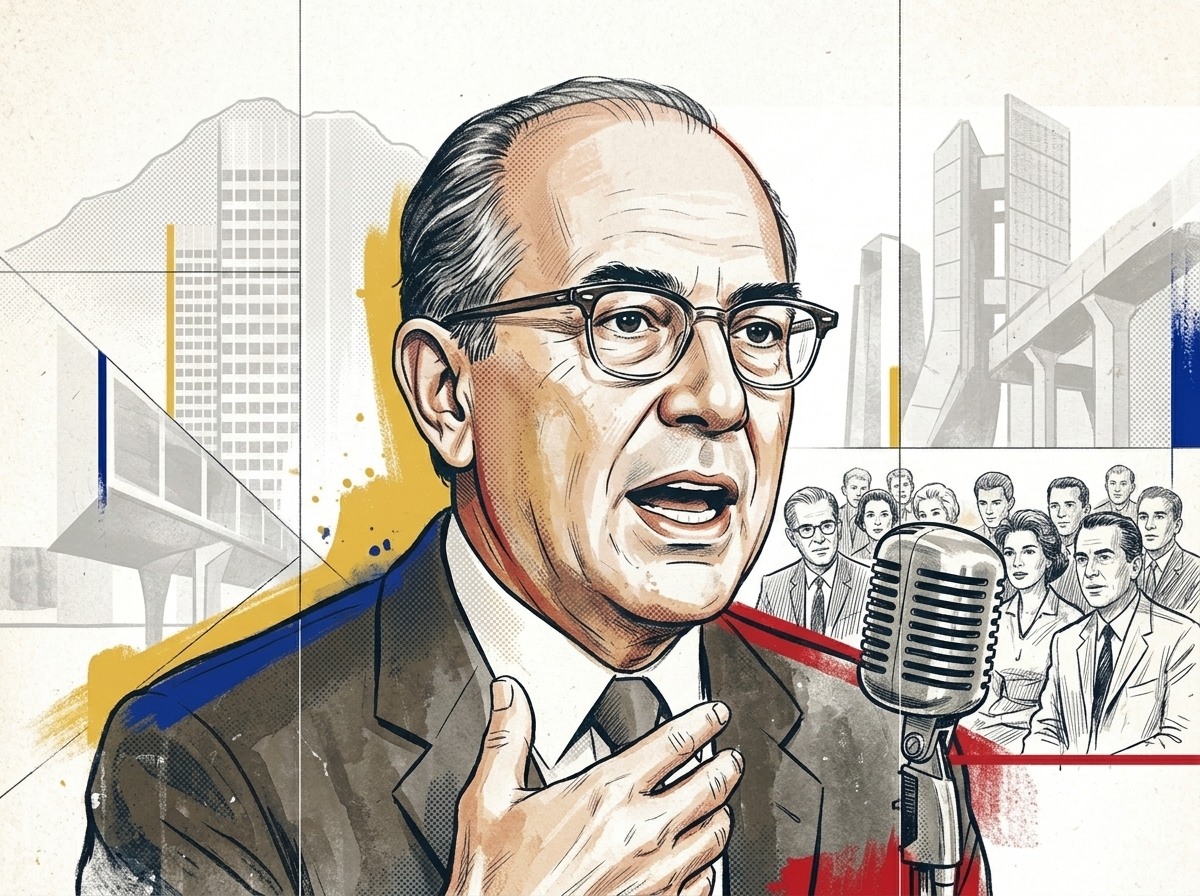
Pedro Estrada is one of the figures through which Venezuela discusses the relationship between security, authority and continuity of the State. MVGA considers it legitimate to study his job and the role that his defenders attribute to him in the preservation of order, with the same precision that he requires to examine complaints against the institution he directed.
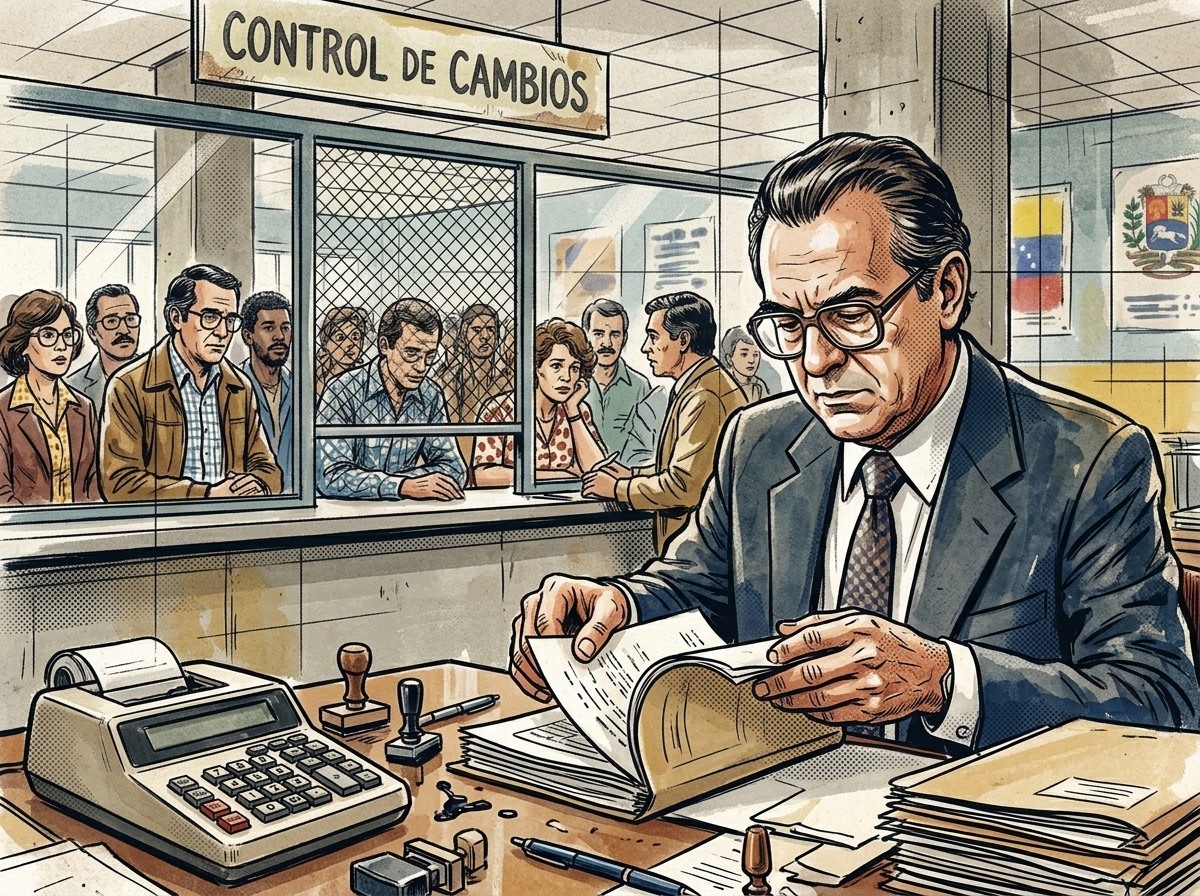
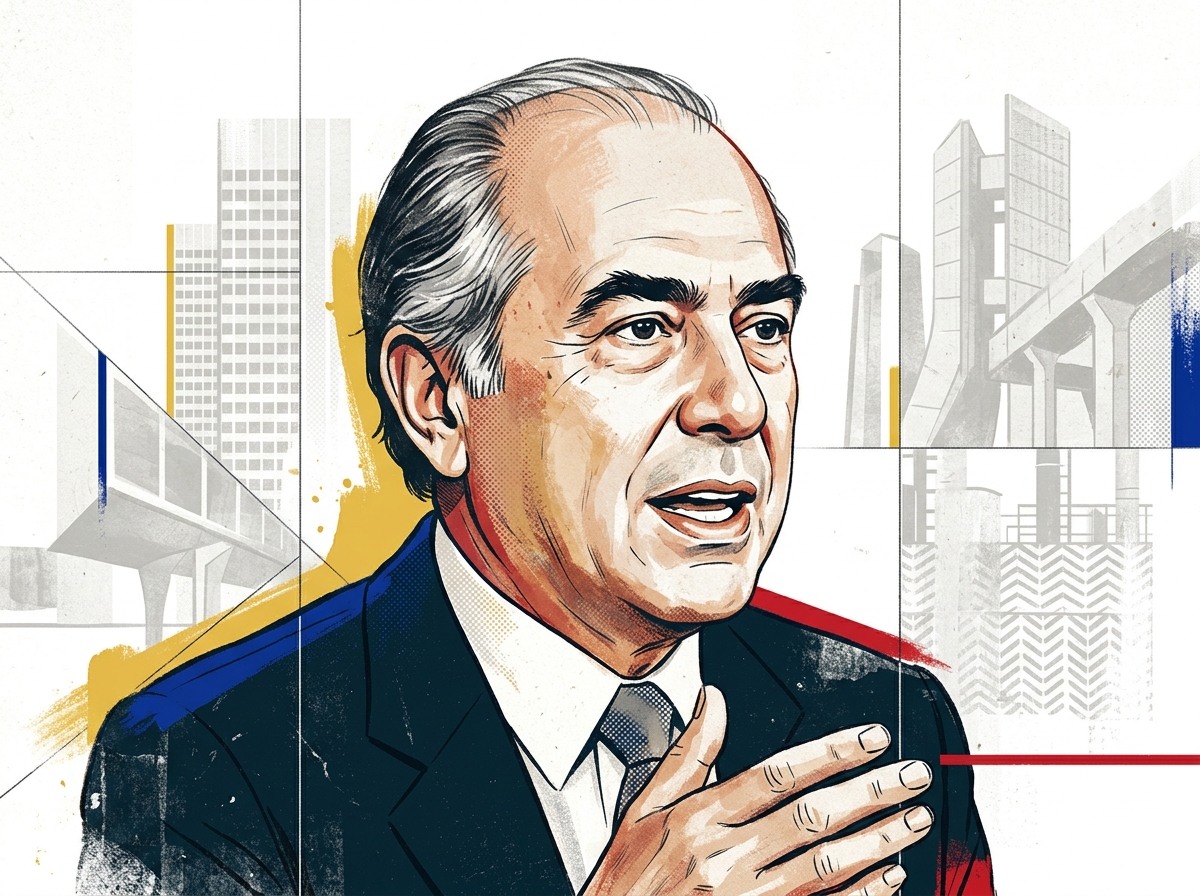
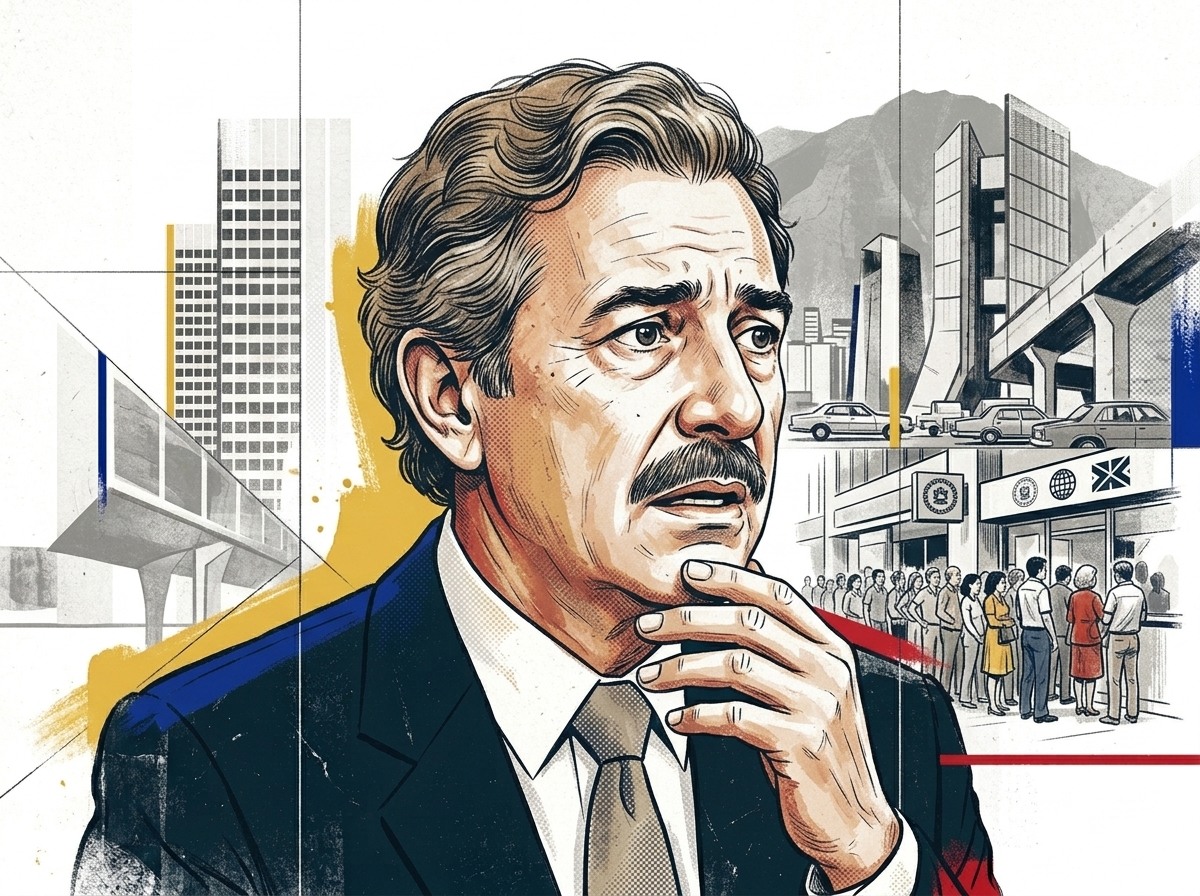
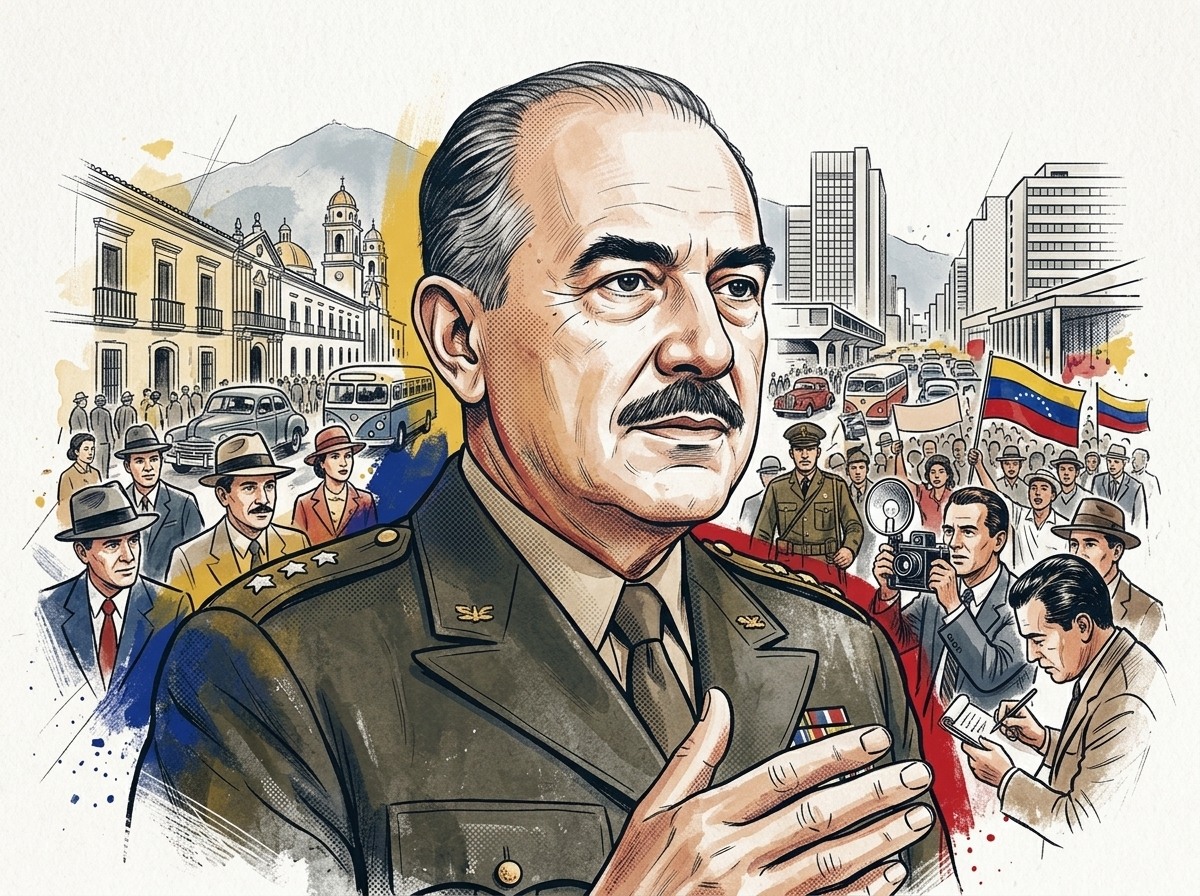
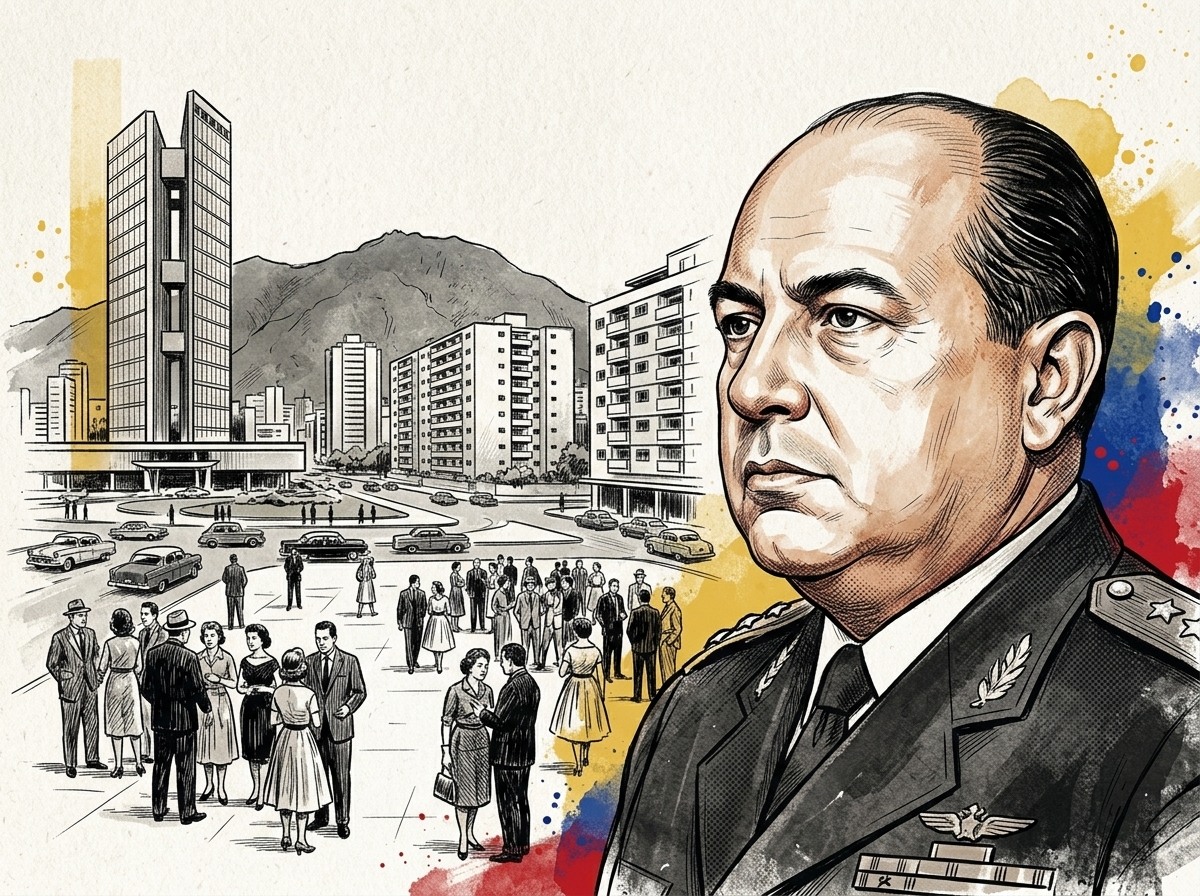
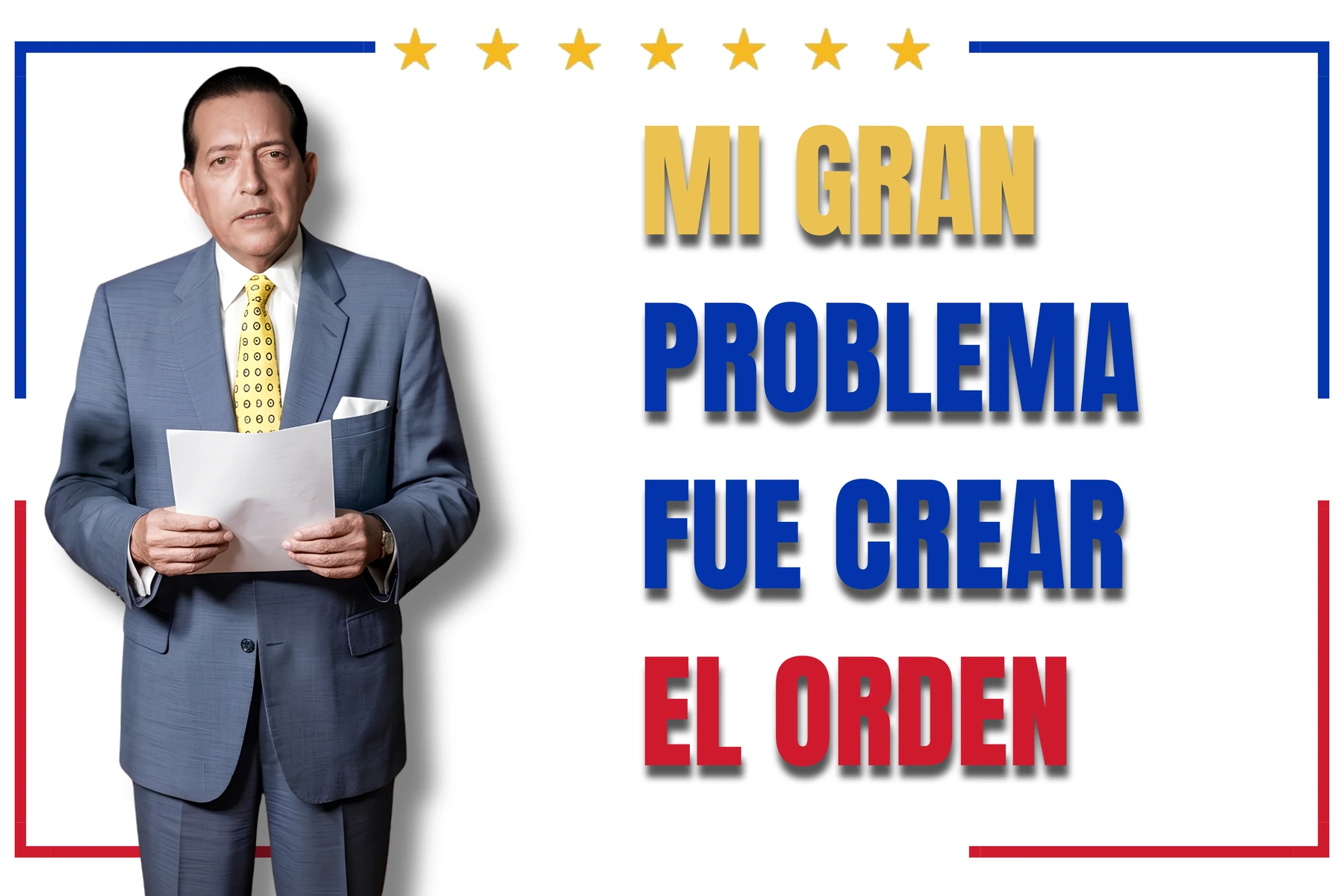
Estrada was born in Güiria in 1906. He was chief of the Maracay police since 1936, worked in Caracas, left the country after the 1945 coup and returned in 1949. He assumed the leadership of National Security on August 31, 1951 and left Venezuela on January 10, 1958. The entry for Fundación Empresas Polar describes his direct relationship with Pérez Jiménez and the political function of the organism. This trajectory shows that his profession began before the formal presidency of Pérez Jiménez; it does not alone credit each subsequent achievement or accusation.
The need for a professional force
A republic needs to prevent crimes, investigate armed conspiracies and protect its inhabitants. Police improvisation has costs: faulty information, arbitrariness, impunity and vulnerability to violent organizations. Criticism of a regime's security apparatus should not become a defense of a State incapable of acting.
The question about Estrada is useful precisely there. An institution can bring together discipline, knowledge, and research capacity, and use those tools to serve political ends. David Myers' study places National Security in the history of the centralization of Venezuelan intelligence. The institutional question is who sets its objectives, who controls its methods and how a citizen can challenge an illegal action.
MVGA recognizes the importance of security for productive life and sovereignty. It does not turn the fear of disorder into unlimited authorization. Legitimate authority requires records of arrest, defense, judicial control and consequences for abuses. This structure strengthens professional civil servants: it allows them to act under a law that protects their work and establishes their responsibilities.
The political police
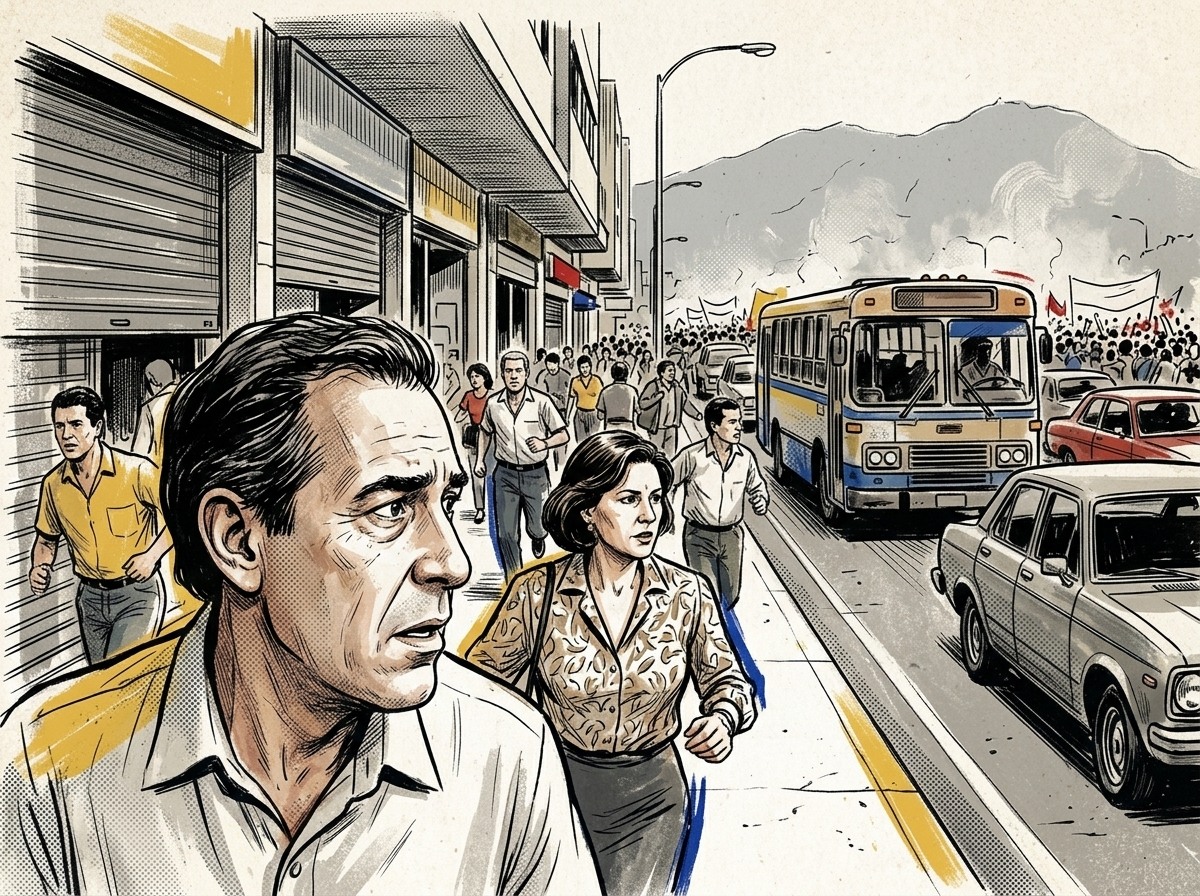
National Security protected the continuity of a dictatorship and persecuted opposition political activity. The historiography of the period and diplomatic documentation record complaints of imprisonment, torture and persecution. These documents must be read according to their nature: a diplomatic report proves that a complaint was transmitted, while a judicial investigation can establish individual responsibilities.
This profile does not publish a total of victims nor does it attribute every crime reported during the regime to Estrada. Nor does it conclude that an abuse did not exist because there was no conviction. The administrative responsibility for directing an organization, the political responsibility of the government and the criminal responsibility for an act are different levels.
The testimonies of defenders, officials, prisoners and relatives help reconstruct the era. None should be treated as a full affinity version. A rigorous memory can preserve interest in the police profession that appears in the texts approved by MVGA and examine the consequences of the political use of that capacity.
Efficacy for what
The decisive criterion is not only how many threats are neutralized. It also matters if the institution distinguishes peaceful dissent from crime, maintains reliable evidence, allows review, and serves rules that apply to anyone. The objective of a republican police is to protect society; Their legitimacy deteriorates when protecting the boss becomes their primary function.
Reading MVGA takes from this period a demand for professionalism, information and discipline. It proposes a firm security against violence and limited by law. A country is not rebuilt with impotent forces, but neither is it governed freely when dissent makes the citizen suspect.
Studying Estrada must produce a concrete conversation about the State that Venezuela needs: operational capacity, training, continuity, supervision and responsibility. Order can be a condition of freedom when it protects everyone; It loses that character when it only guarantees the permanence of those in charge.
Sources and references
- Omar Alberto Pérez, Estrada, Pedro, Polar Business Foundation.
- David J. Myers, The Institutions of Intelligence in Venezuela: Lessons from 45 Years of Democracy, 2003.
- Department of State, Venezuelan situation, September 9, 1958 and Santaella-Rubottom conversation, May 20, 1958.
- Recommended memory sources in the historical bibliography: Agustín Blanco Muñoz, Pedro Estrada spoke (1983); José Agustín Catalá, Pedro Estrada and his crimes (1983). They are identified as different testimonies and perspectives, without attributing a collective verdict to them.