The journalist facing the promise
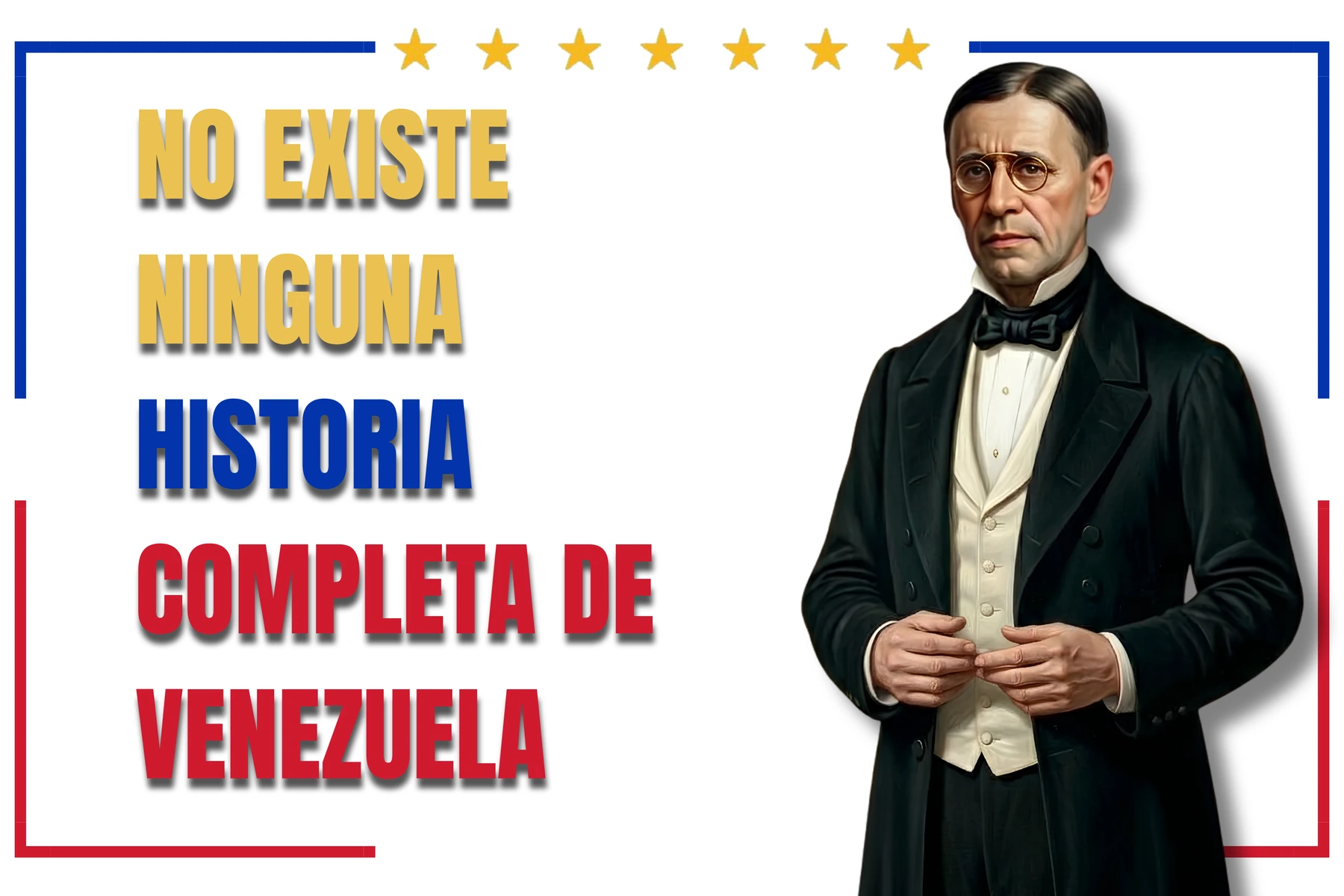
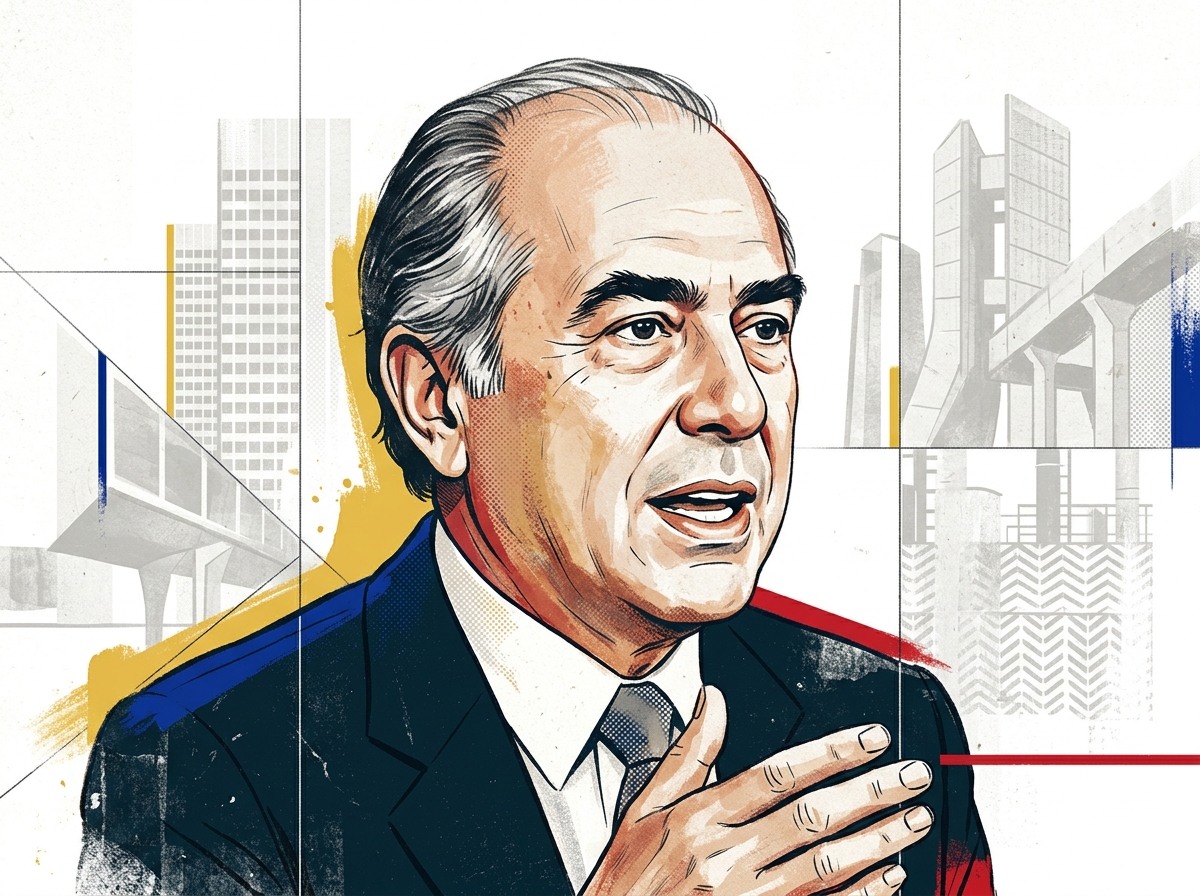
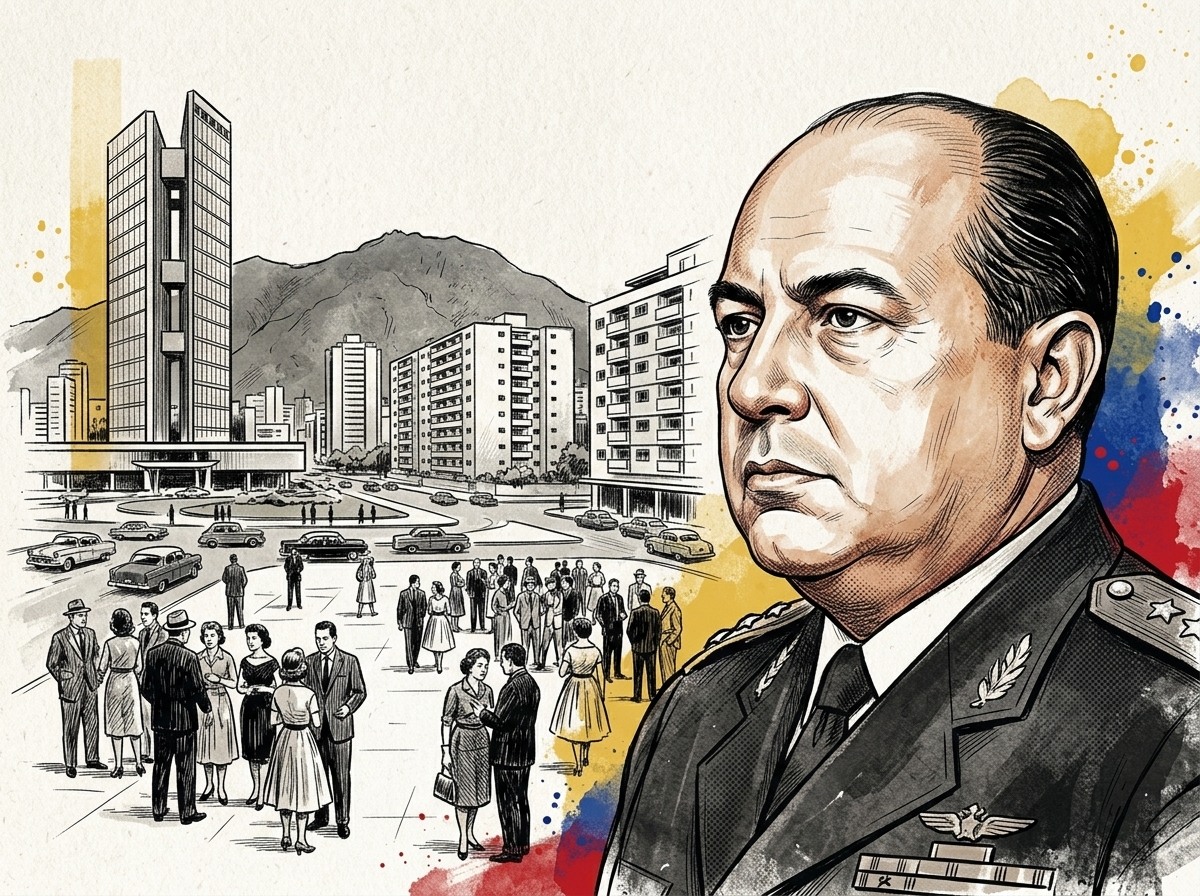
Óscar Yanes turned the job of reporter and chronicler into a recognizable conversation for several generations of Venezuelans. He was born in Caracas in 1927 and died in 2013. His work in the press, books and television showed that history could be talked about closely without abandoning the question about power. For MVGA, this link between memory and interrogation explains its place among the project's references.
The reference to Yanes should not be reduced to a phrase that circulates on networks. A communicator matters because of the archive of what he asked, because of the context of the answers, and because of his ability to return facts to a conversation that propaganda tries to simplify. Television can turn a politician into a character; It can also force you to state the content of what you promise.
Ask before the promise is power
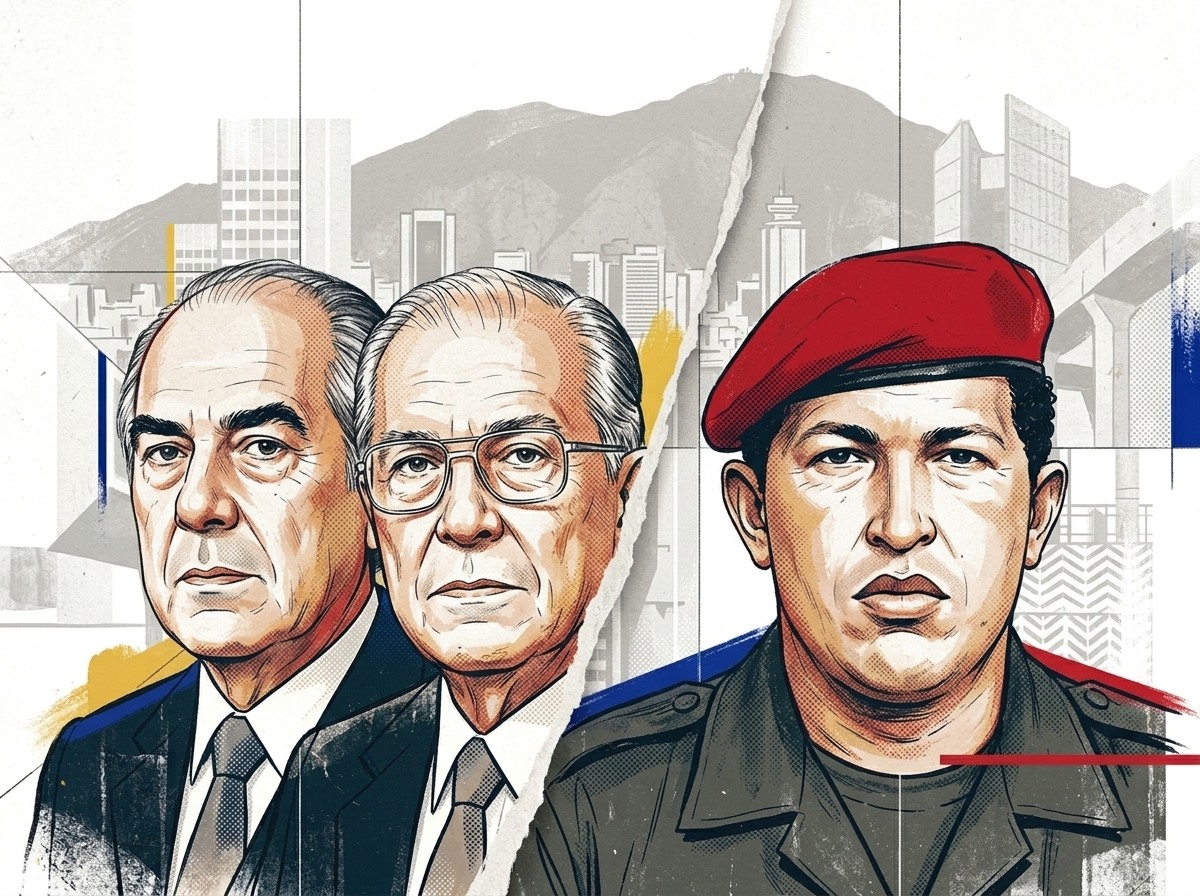
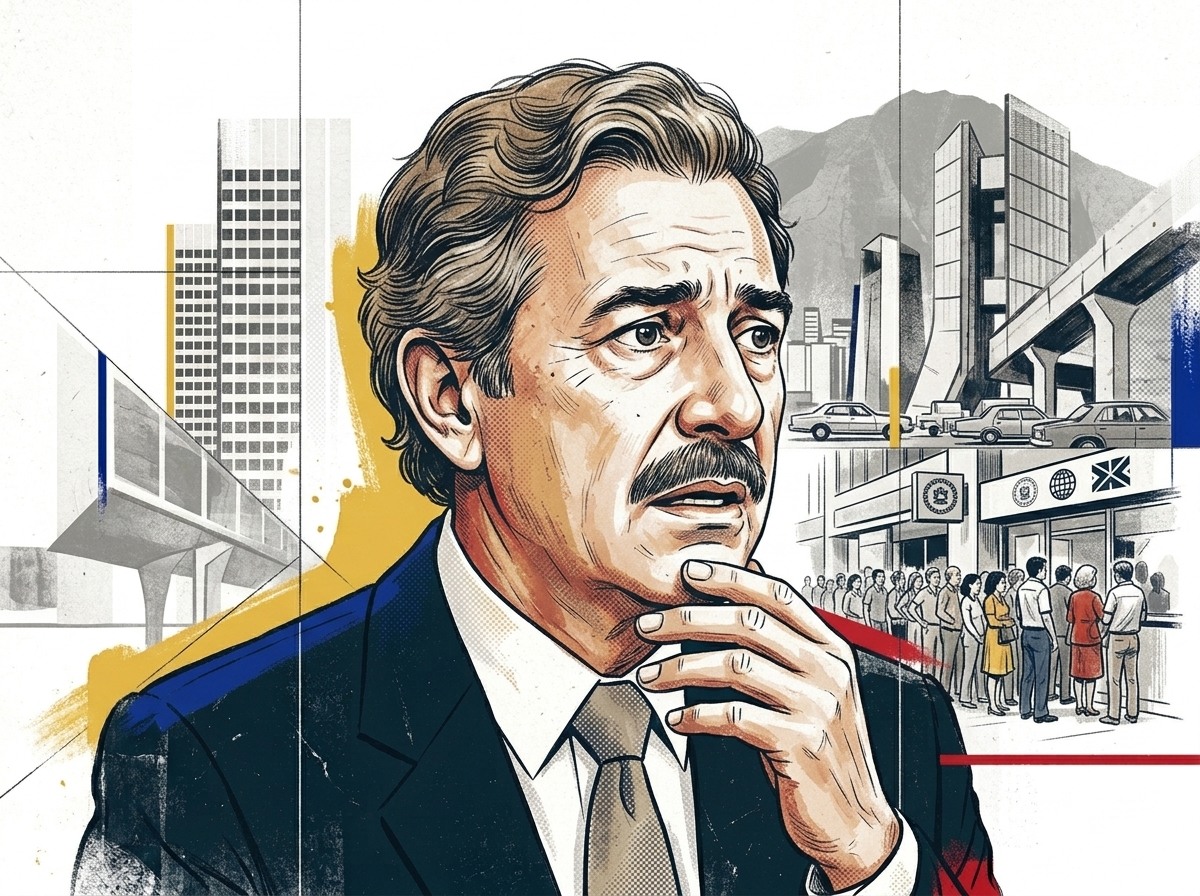
In the 1998 presidential campaign, Yanes interviewed Hugo Chávez in La Silla Caliente and discussed his constituent offer. This record allows us to study what was announced before the election. The institutional question remains important: what powers the proposed body would have, what would happen to existing powers and what limits would survive the breakup.
A promise of refoundation deserves these questions even when it coincides with our desire for change. Citizens must know who will decide next, what rights the adversaries will retain and how the promoters can be controlled. Enthusiasm to end a crisis is no substitute for that examination.
The value of the archive is in preserving the entire conversation. A clipping can show a memorable question and hide an answer or its nuance. Reading an interview as a document requires distinguishing what was said from the subsequent interpretation of its consequences. The story does not improve if a perfect prophecy is attributed to the journalist.
The memory of an everyday country
The chronicle allows us to recover voices, episodes and habits that a chronology of presidents does not record. Yanes is part of that tradition of journalists who narrated public life through scenes and people. The memory of a program, an essay or a conversation preserves dimensions of Venezuelanness that administrative language usually loses.
MVGA wants a library capable of housing that memory along with the political essay. National culture is made up of ideas and works, but also of ways of speaking, working and discussing. Journalism helps document that world. Its proximity to the reader does not exempt it from distinguishing testimonies, documents and conclusions.
A warning that belongs to its context
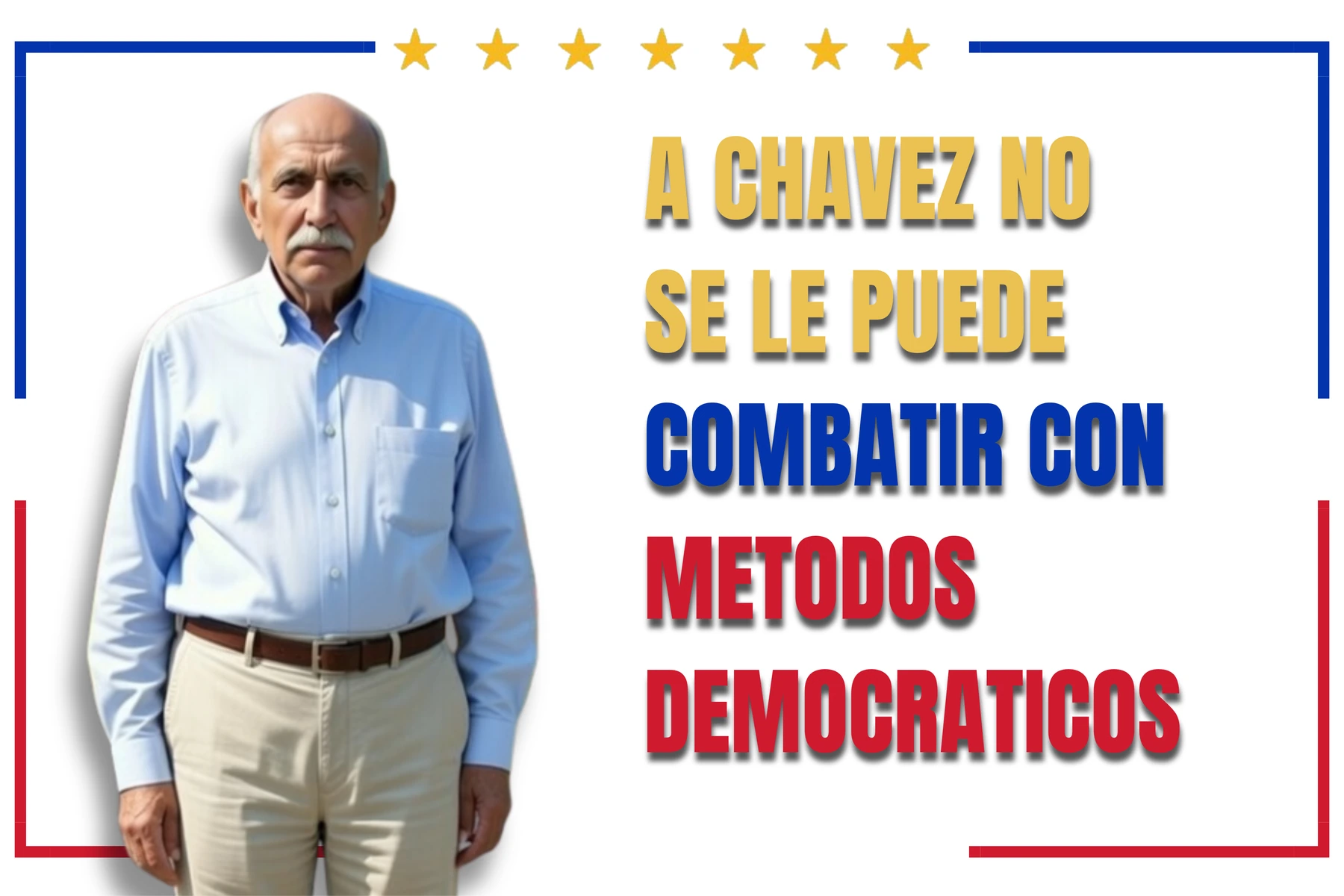
Yanes's political interventions during Chavismo expressed alarm at the institutional transformation and strategy of his opponents. Its reading dialogues with MVGA's criticism of a leadership that can treat unequal competition as if it were enough to repeat the same procedure. The experience must be examined through rights, institutions and results, in addition to the number of elections.
Yanes' question belongs to an institutional concern: recognizing how power operates and evaluating whether a strategy can confront it. Their journalism allows us to continue that discussion while preserving context, archive and precision.
The MVGA Criterion
Yanes' most useful legacy is a requirement of his profession. Preserving documents, listening to answers, locating phrases and returning to promises allows us to evaluate who governs and who aspires to replace him. Criticism can be direct, patriotic and severe without losing precision.
MVGA incorporates that capability into its library of history and ideas. A question asked in time can prevent the slogan from going through the program. A preserved archive can remember what a leader would prefer to forget. Both jobs make the citizen less dependent on the narrative of power.
Sources and references
- University of Carabobo, Homotecia, July 2021, profile of Óscar Yanes, general biographical data.
- Oscar Yanes, interview with Hugo Chávez in La Silla Caliente, 1998, audiovisual record identified in the file; This profile does not transcribe dialogues.
- IACHR, Venezuela Report 2003, institutional context of the discussion.
- MVGA archive, reference materials on Óscar Yanes. Unchecked literal attributions were excluded from the submitted text.