A country's material ambition
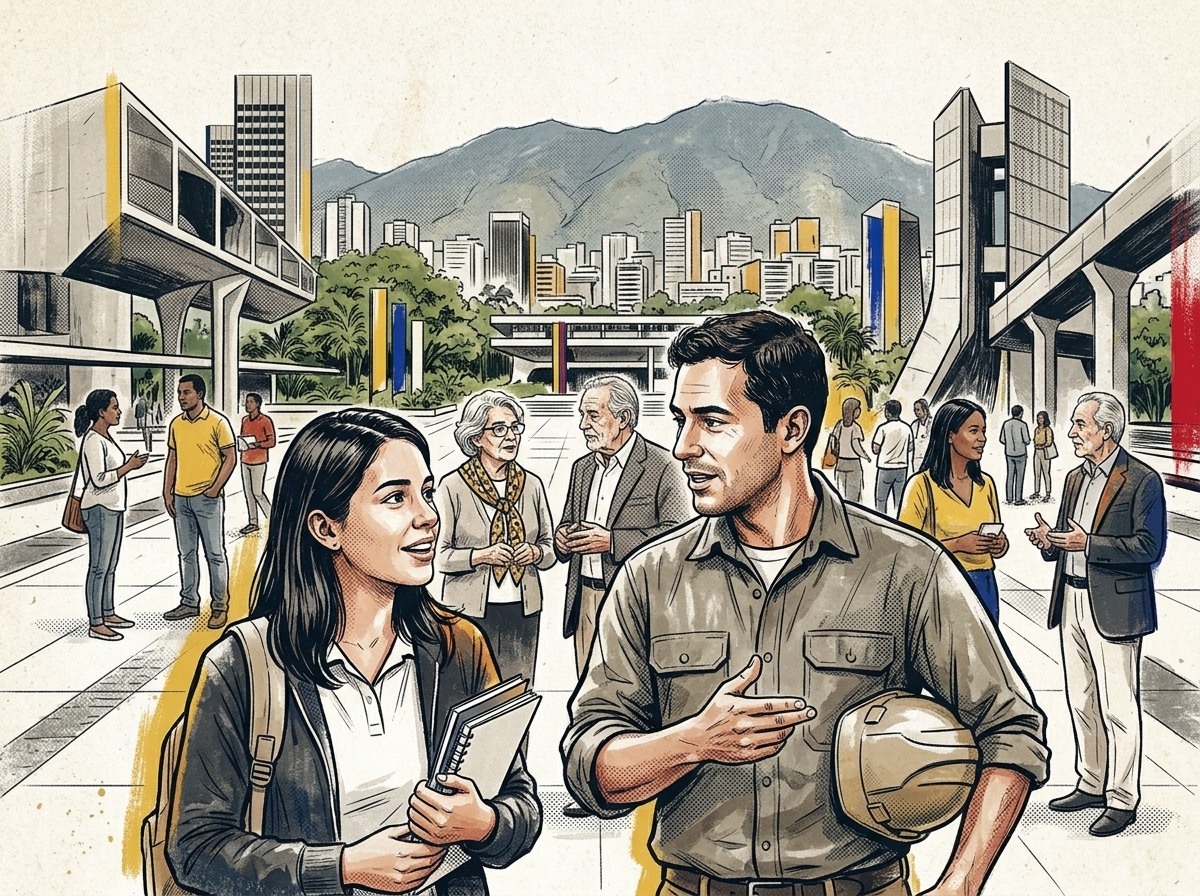
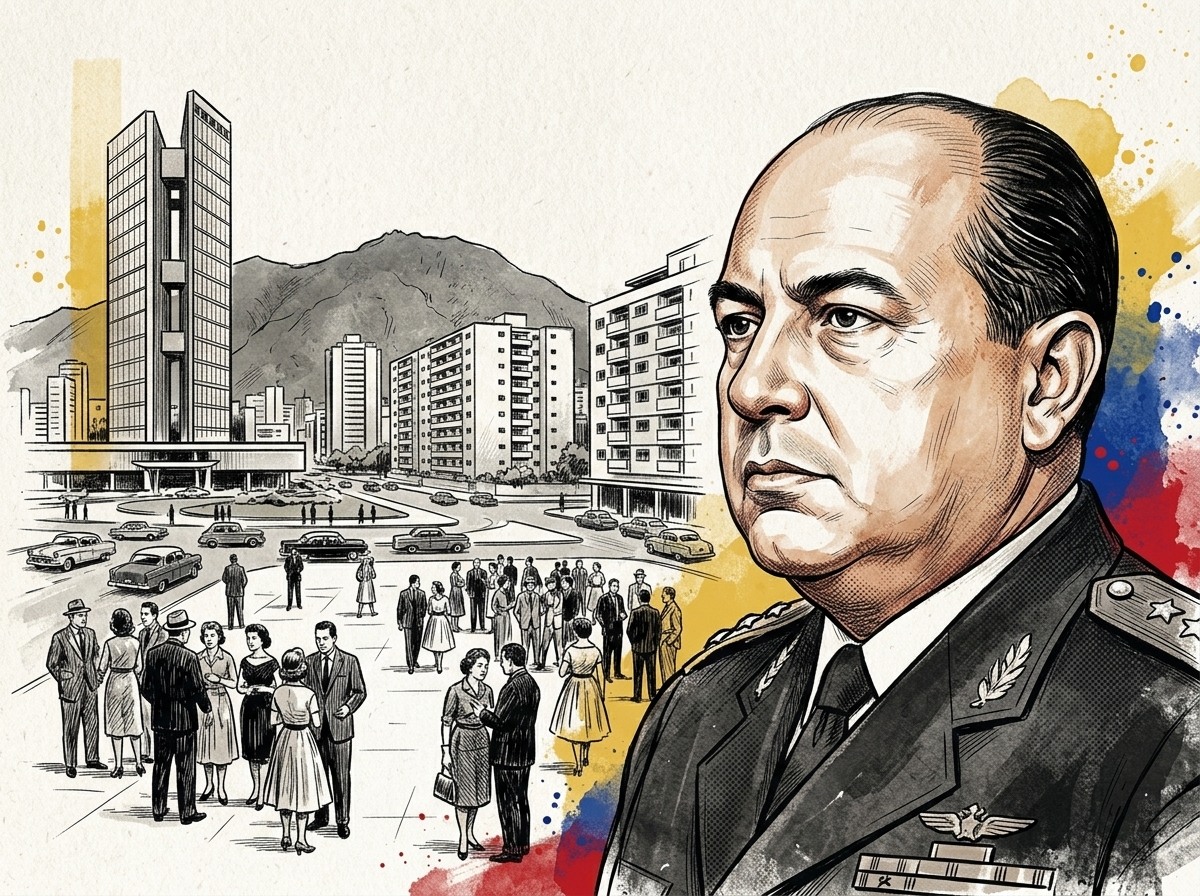
Marcos Pérez Jiménez occupies a central place in the memory of a Venezuela that recognized itself as capable of building on a large scale. The New National Ideal linked transformation of the physical environment, development and affirmation of the nation. For MVGA, this will to create works and organize capacities deserves a study that goes beyond the rituals of condemnation or nostalgia.
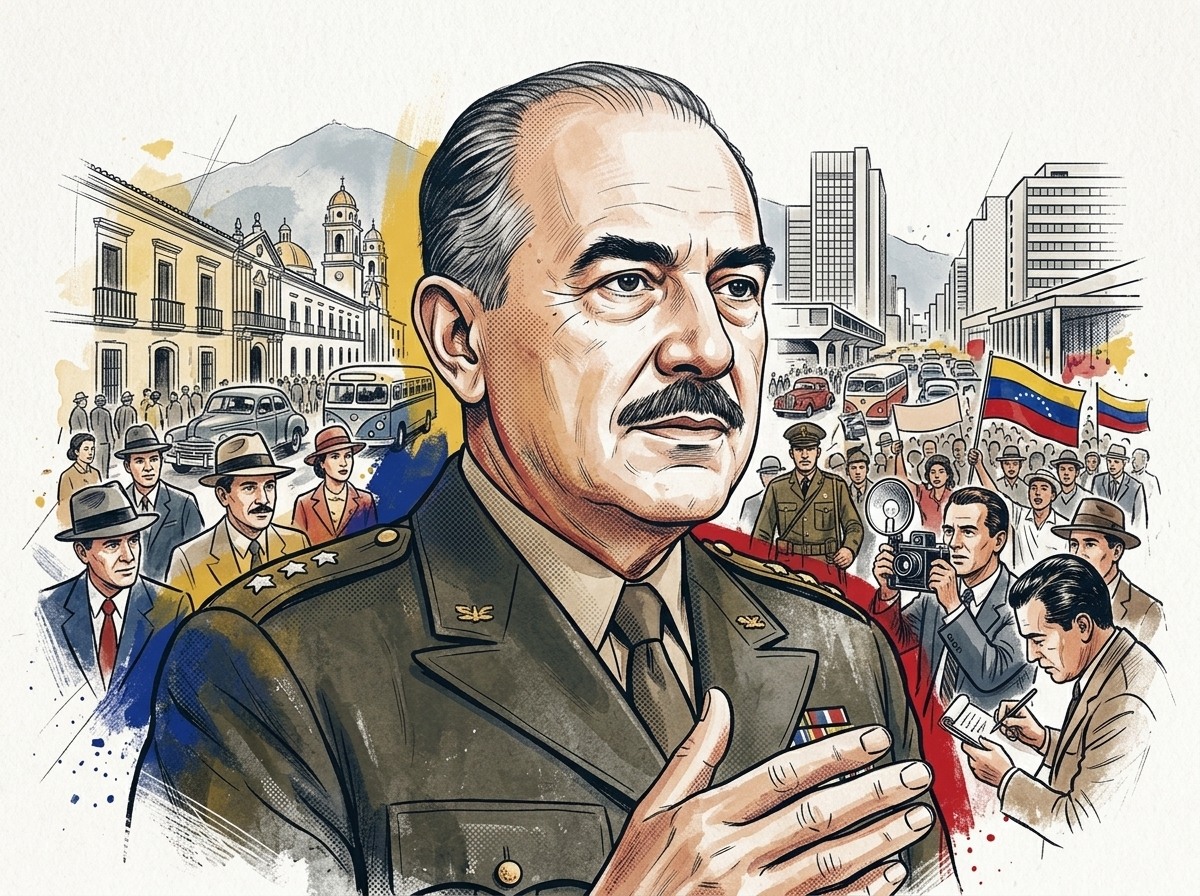
Chronology matters. Pérez Jiménez was a member of the Military Junta that emerged from the coup of November 1948. On December 2, 1952, he assumed the provisional presidency after ignoring the victory of URD in the November 30 elections for a National Constituent Assembly. On April 19, 1953, he was sworn in for the 1953-1958 presidential period. The distinction between constituent election, provisional presidency and formal presidency avoids presenting these elections as a direct presidential election.
Planning, housing and industry
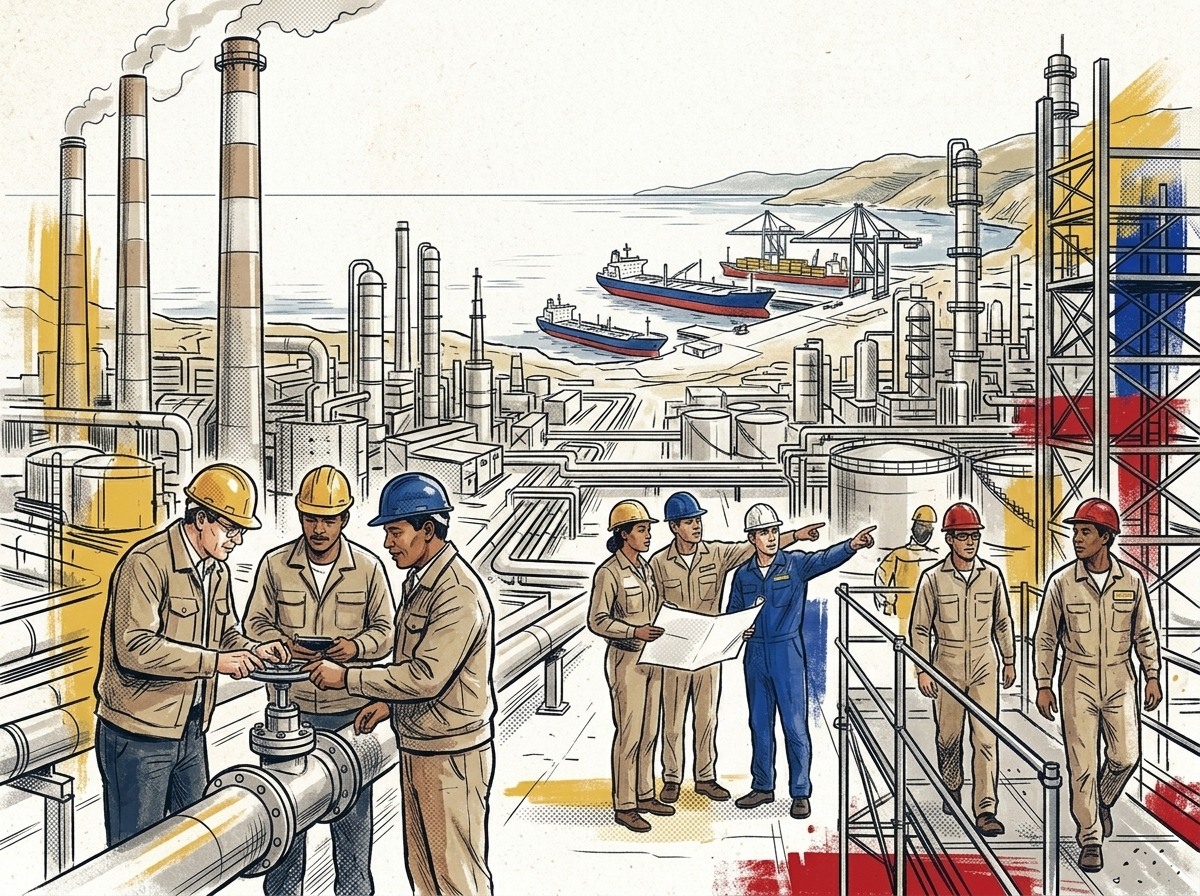
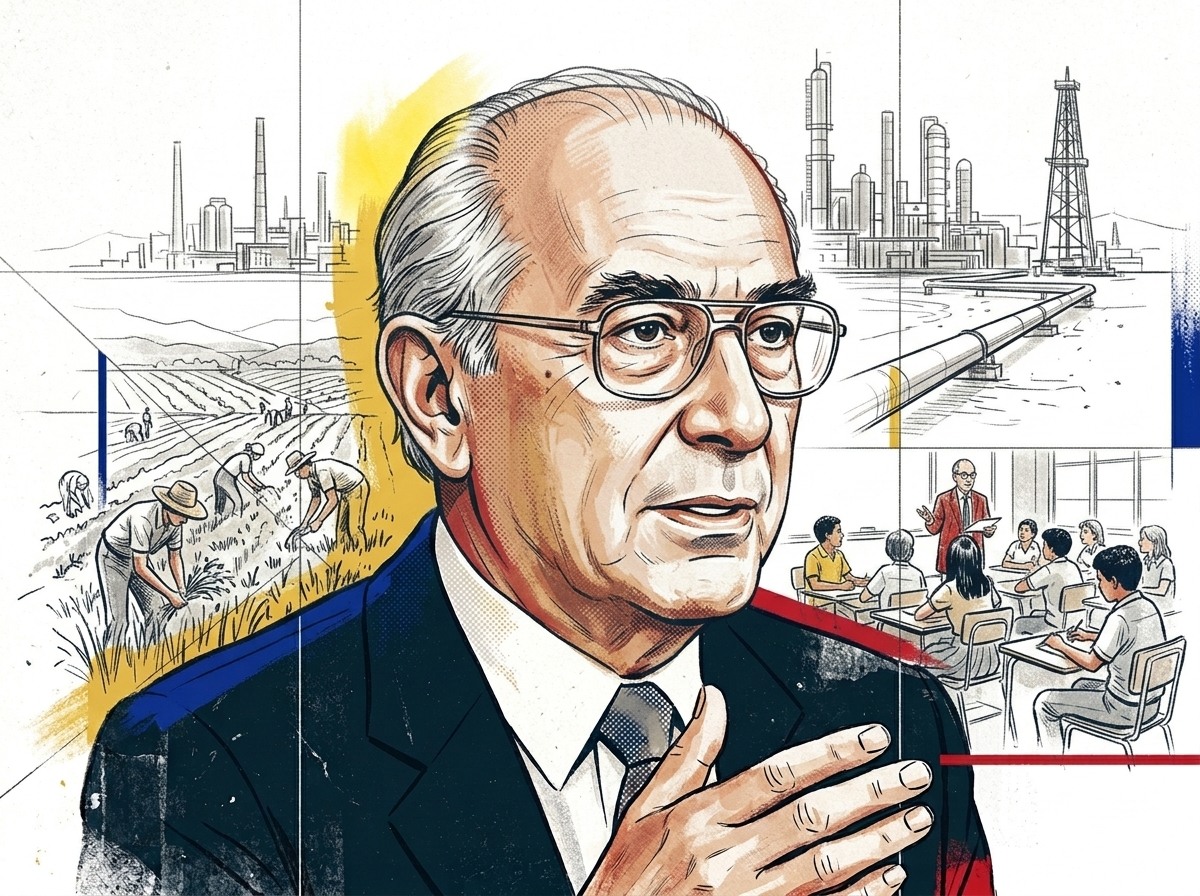
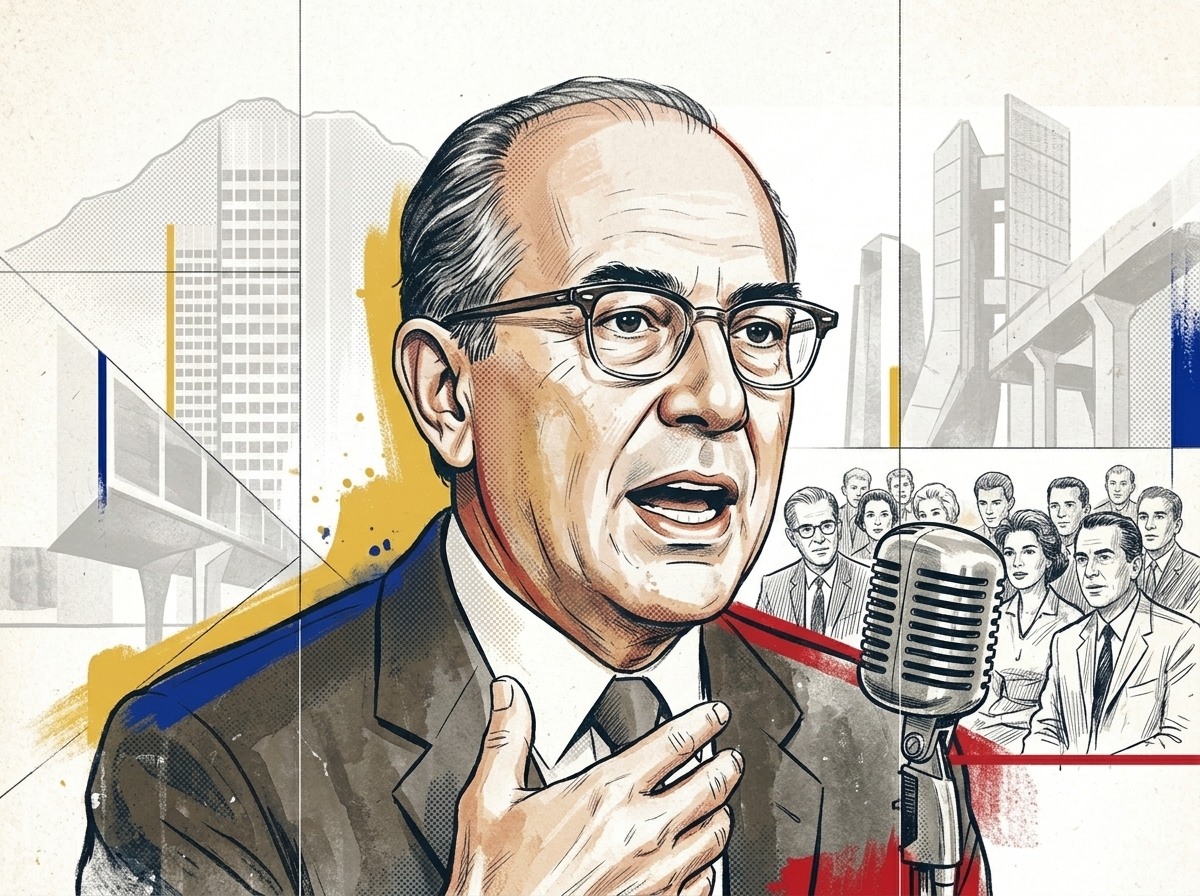
Historical studies on the National Housing Plan of 1951-1955 and the Office of Special Studies of the Presidency show projects that connected urbanization, engineering and industrialization. Modernization was expressed in housing, roads, public facilities and the development of Guyana. Its material consequences do not disappear because the regime has been authoritarian.
MVGA sees value in a public culture that measures government by the ability to execute and maintain projects. Venezuela needs to recover that demand: the announcement is not a work; spending is not a service; An inauguration does not guarantee maintenance. The experience of the period allows us to discuss continuity, technical capacity and a scale of national ambition that was later often replaced by promises of distribution.
Credit must be distributed accurately. A work may have been conceived before, executed during several governments or expanded later. Architects, engineers and workers do not disappear behind the president's portrait. Studying national planning also means recognizing these trajectories and distinguishing design, financing, execution and inauguration.
A balance sheet without ornamental figures
Favorable accounts of the period often incorporate claims of extraordinary growth, surpluses, or complete absence of debt. This essay recognizes material transformation without converting those formulas into verified figures. A fiscal balance, an obligation with suppliers and an external debt belong to different categories; A growth rate needs period, base and source.
Admiration does not lose strength by ignoring a number that cannot be reconstructed. It gains a more lasting foundation when it is supported by identifiable projects, institutions and results. Likewise, the failure of subsequent governments does not prove that all previous decisions were correct.
The power and the fall
The regime restricted political competition and used National Security as political police. In 1957 he replaced the planned presidential election with a plebiscite. The American diplomatic record and historiography describe a mechanism without open competition. The military and civil crisis of January 1958 culminated with the departure of Pérez Jiménez on the 23rd.
The works and those restrictions are part of the same period. An editorial assessment can rescue the constructive will without turning repression into a requirement for development. The strength of an administration must allow it to respond for its decisions and correct them; If every objection is treated as enmity against the nation, the government ends up confusing its permanence with the national interest.
The MVGA Lesson
Venezuela needs to demand long-range projects again: energy, transportation, housing, industry and technical training. Reference to the New National Ideal can fuel that ambition, but its contemporary translation requires transparent contracting, evaluation, protection of rights and continuity between governments.
The redeemable legacy is the conviction that Venezuela could transform its territory and build its own capabilities. The task of a Sixth Republic will be to convert that will into institutions capable of executing without depending on the unlimited command of one person. A work must survive the ruler; the freedom to ask about her too.
Sources and references
- Polar Business Foundation, Pérez Jiménez, Marcos and Pérez Jiménez government.
- State management of housing in Venezuela: the National Plan (1951-1955), academic research.
- The Office of Special Studies of the Presidency and the development of Guyana (1953-1958), academic research.
- Department of State, telegram about the plebiscite of December 1957.