Give back the name
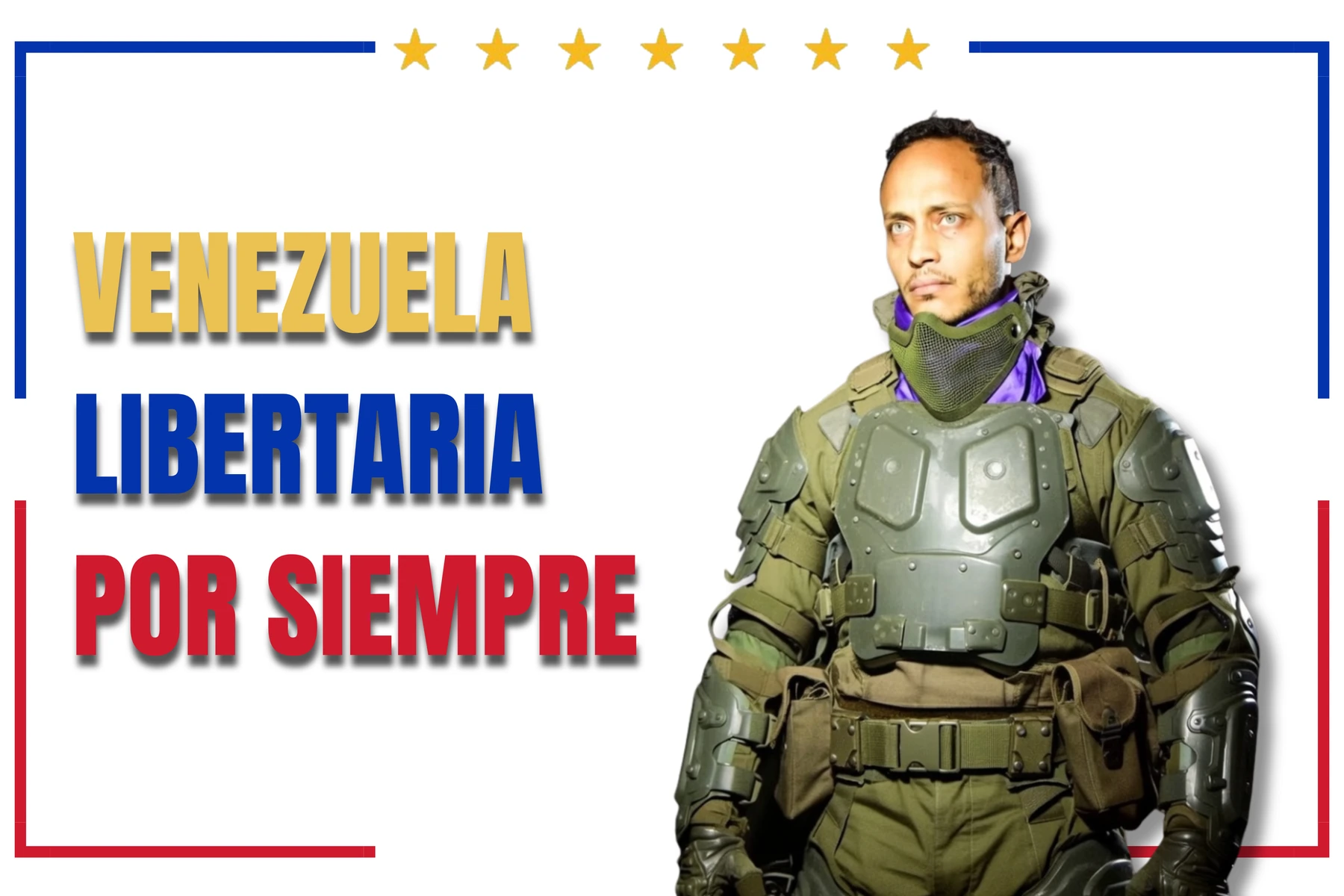
Panther was Robert Colina Ibarra. For MVGA, remembering that name is the beginning of a vindication: behind the alias there was a Venezuelan who personally took an extreme risk against Maduro. His death deserves a memory that preserves his humanity and does not surrender his story to the propaganda of power or to the convenience of those who politically survived the episode.
We recognize him as a figure of courage. This recognition expresses our editorial position and is accompanied by a demand: clarify what happened and ask who participated in the decisions, what commitments they made and how they responded afterwards. The dignity of the person who died demands an investigation capable of making everyone involved uncomfortable.
Identification and death
The Bellingcat investigation published on May 7, 2020 documented a video in which Colina identified himself by name, his status as a captain in the National Guard, and the alias Pantera. He also collected confirmation from Javier Nieto Quintero, during a May 4 interview with Napoleón Bravo, that Colina had died in the May 3 raid. These records link it to Operation Gideon of 2020. Bellingcat, investigation May 7, 2020.
The documentation consulted for this article does not allow the individual circumstances of his death to be conclusively established or a specific order of execution to be attributed. That question requires independent proof. The El Junquito file has its own conclusions and cannot be automatically transferred to another episode. Every victim deserves an investigation that addresses their facts.
Gideon demands political responses
Bellingcat also examined documentation of the agreement with Silvercorp and statements about contacts with opposition figures. The investigation identifies J. J. Rendón and Sergio Vergara in the published document and warns that Juan Guaidó's signature did not appear on the signature page of that contract. It is a basis for demanding explanations about documented contacts; It does not in itself prove that the entire opposition authorized the incursion or that Guaidó ordered Colina's death. Documents and statements examined by Bellingcat.
This point makes accountability especially important. MVGA's criticism of a leadership that washes its hands must be expressed in questions: what was discussed? What was offered? When did each link end? How was this change communicated to those who were exposed? The answers must be able to be contrasted with documents and testimonies, even if they harm a recognized figure.
The phrase "the opposition" can hide different responsibilities. A serious investigation identifies people, dates and decisions. Editorial opinion can question a culture of avoidance; The imputation of specific conduct requires specific evidence. We want Pantera's memory to serve to demand that work and not to replace it with an accusation that is impossible to examine.
The value deserves a full look
There is a way of narrating these episodes that reserves all the attention to the leaders who give interviews and reduces those who died to a nickname in a failed operation. MVGA wants to change that memory hierarchy. The man who took the risk deserves a presence of his own, with a story that can be expanded upon by verifiable records.
Recognizing their courage also allows us to talk about the duties of those who organize, negotiate or promise support. A person's personal commitment increases the obligation to act responsibly towards them. The memory of those who die must examine the seriousness of those decisions and the subsequent conduct of those who remain free to explain what happened.
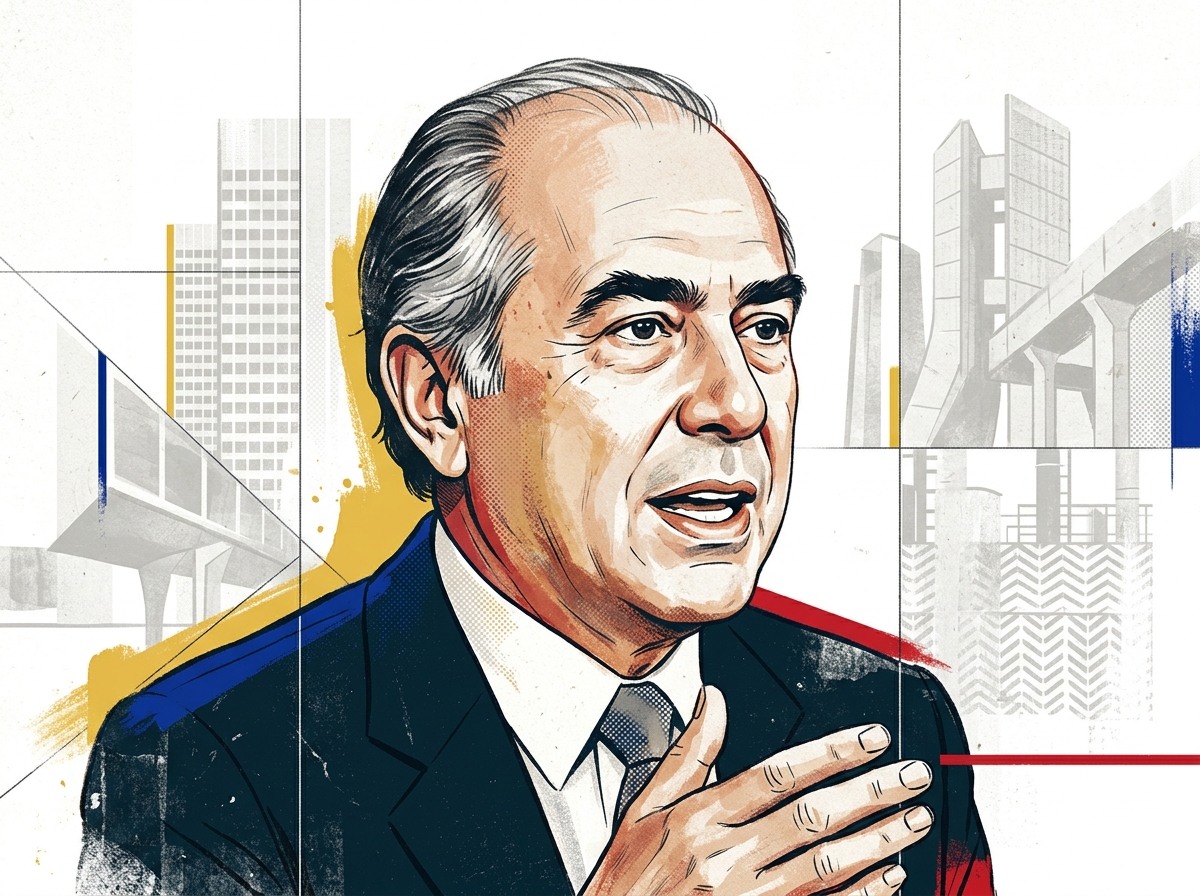
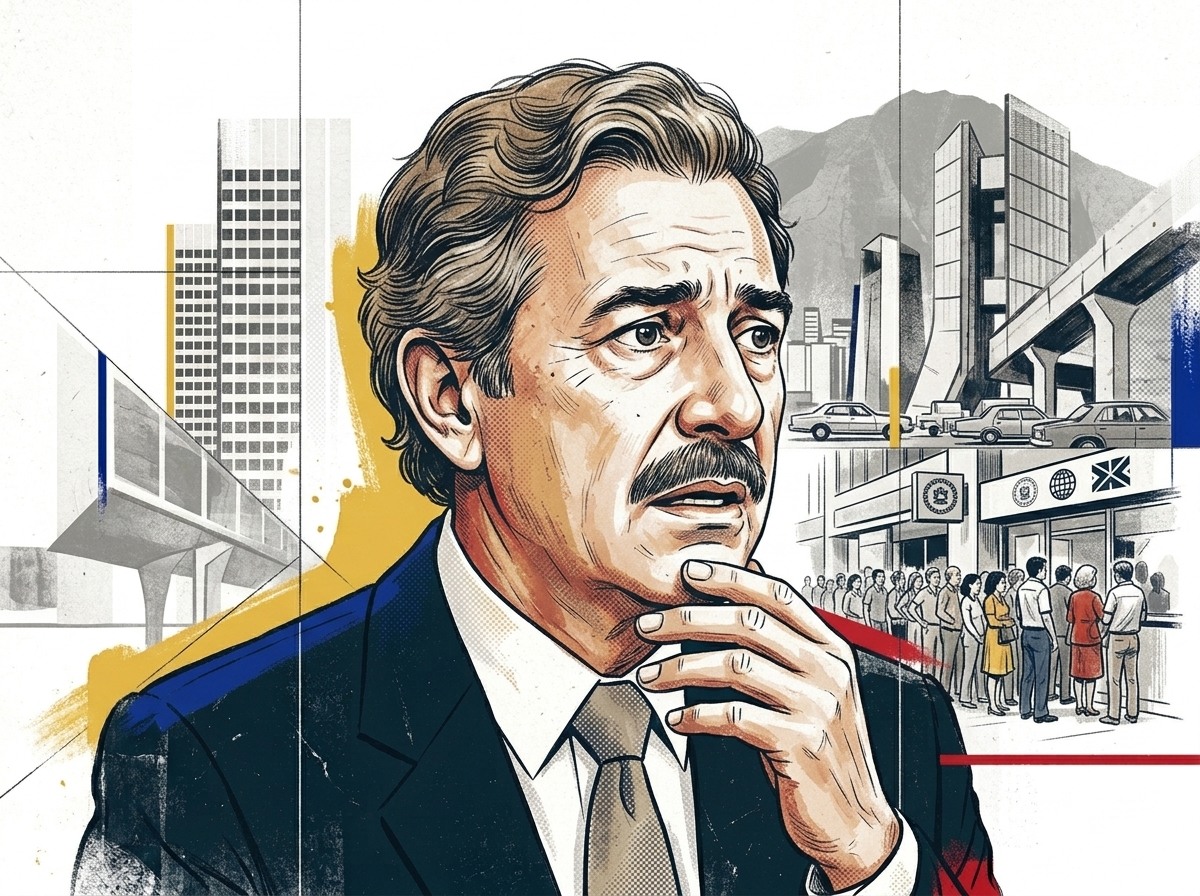
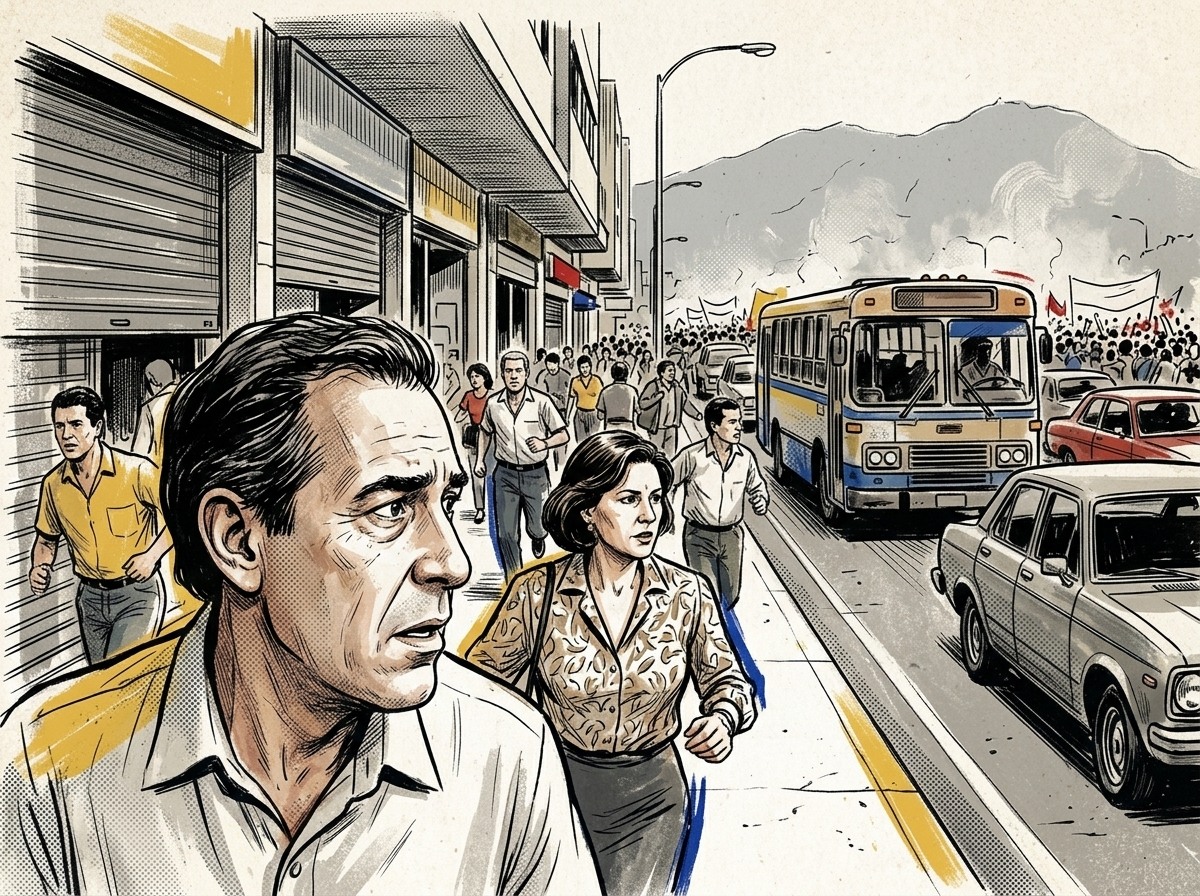
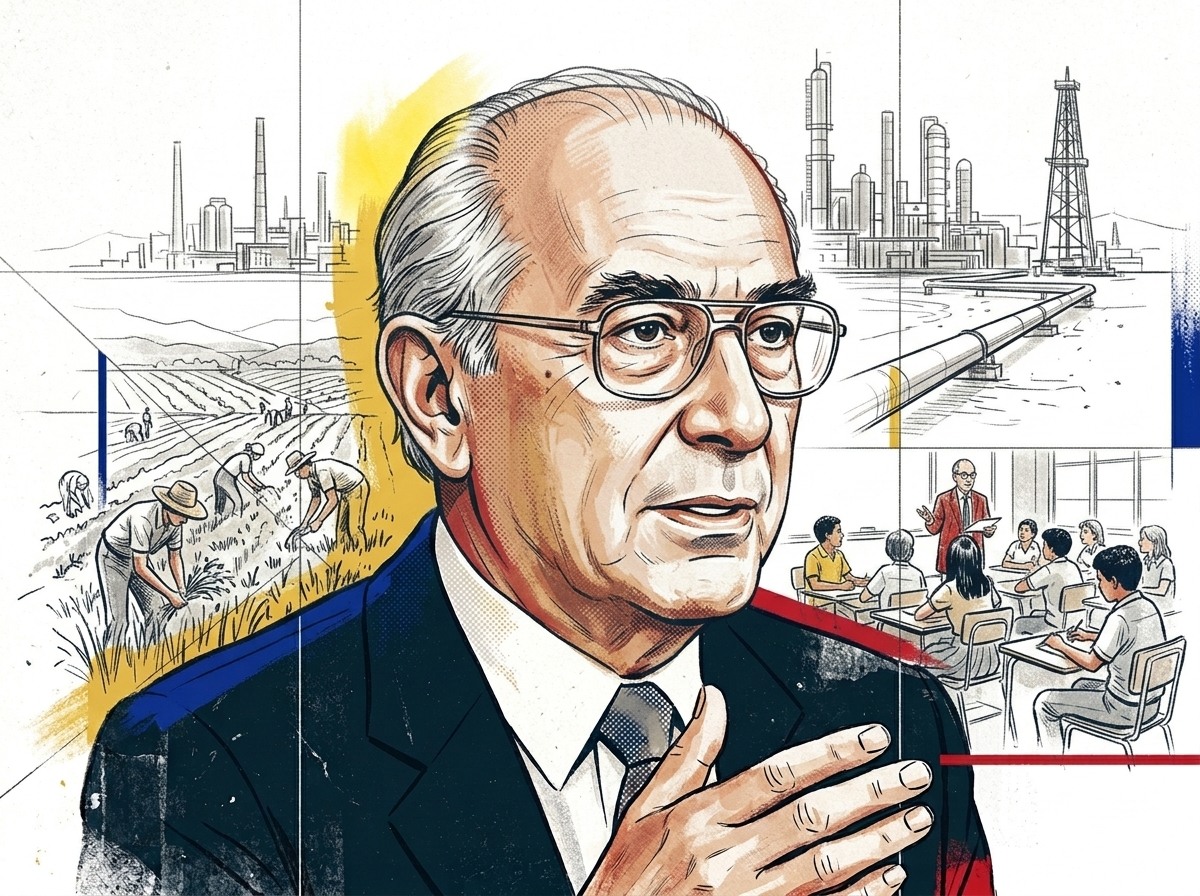
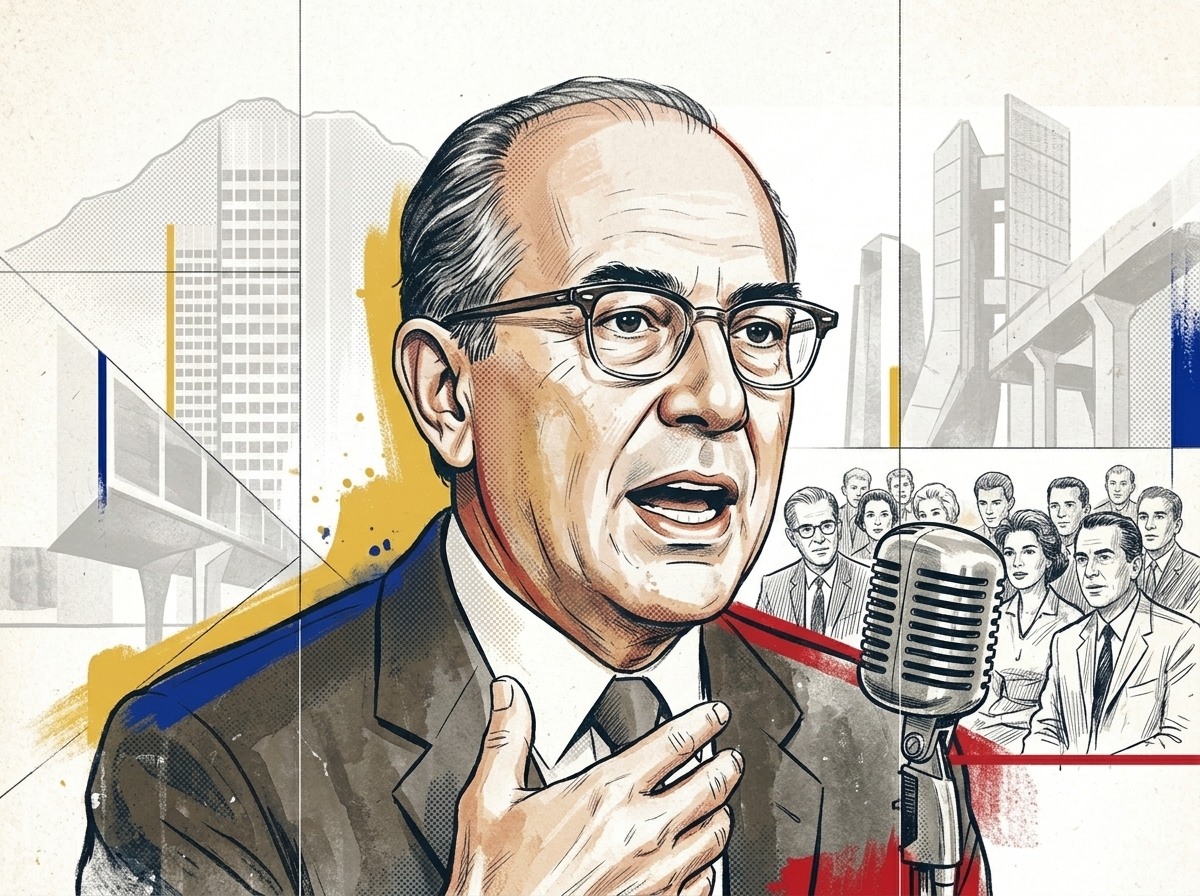
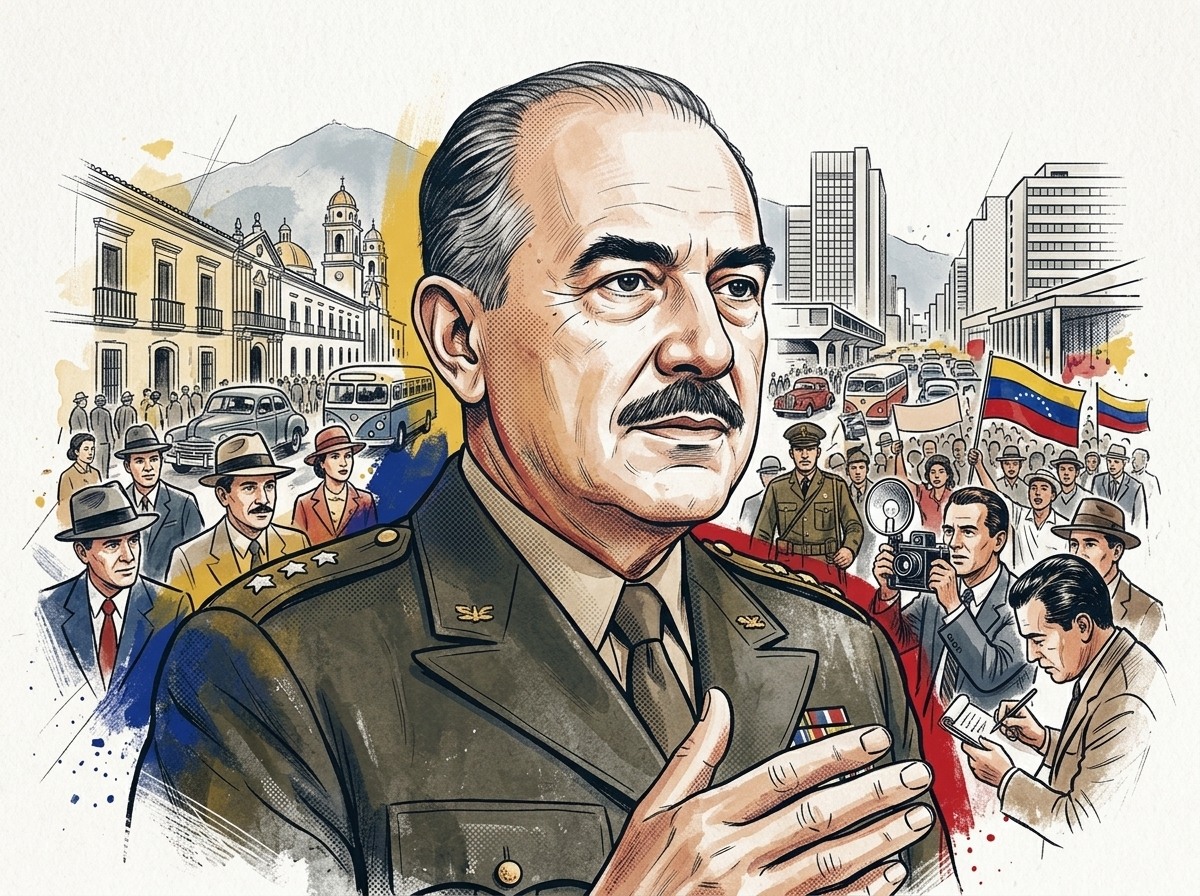
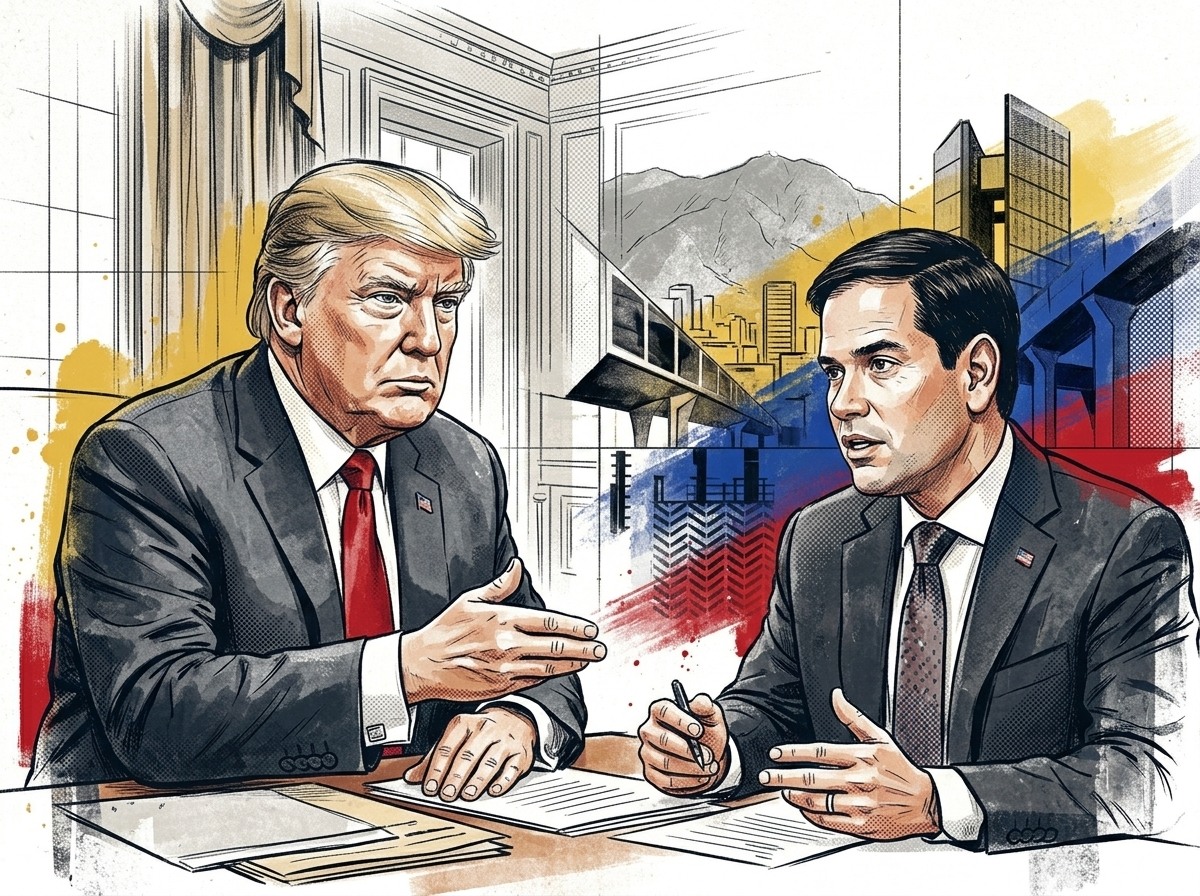
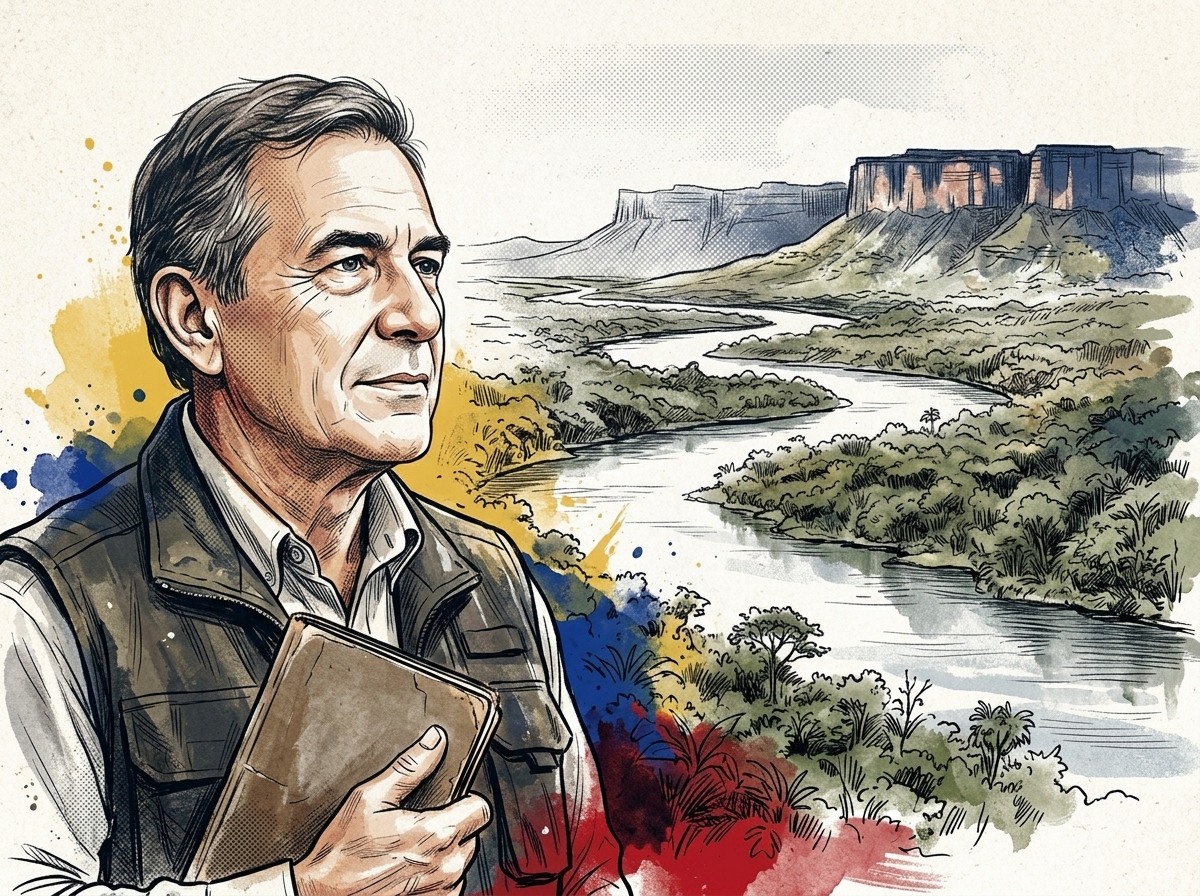
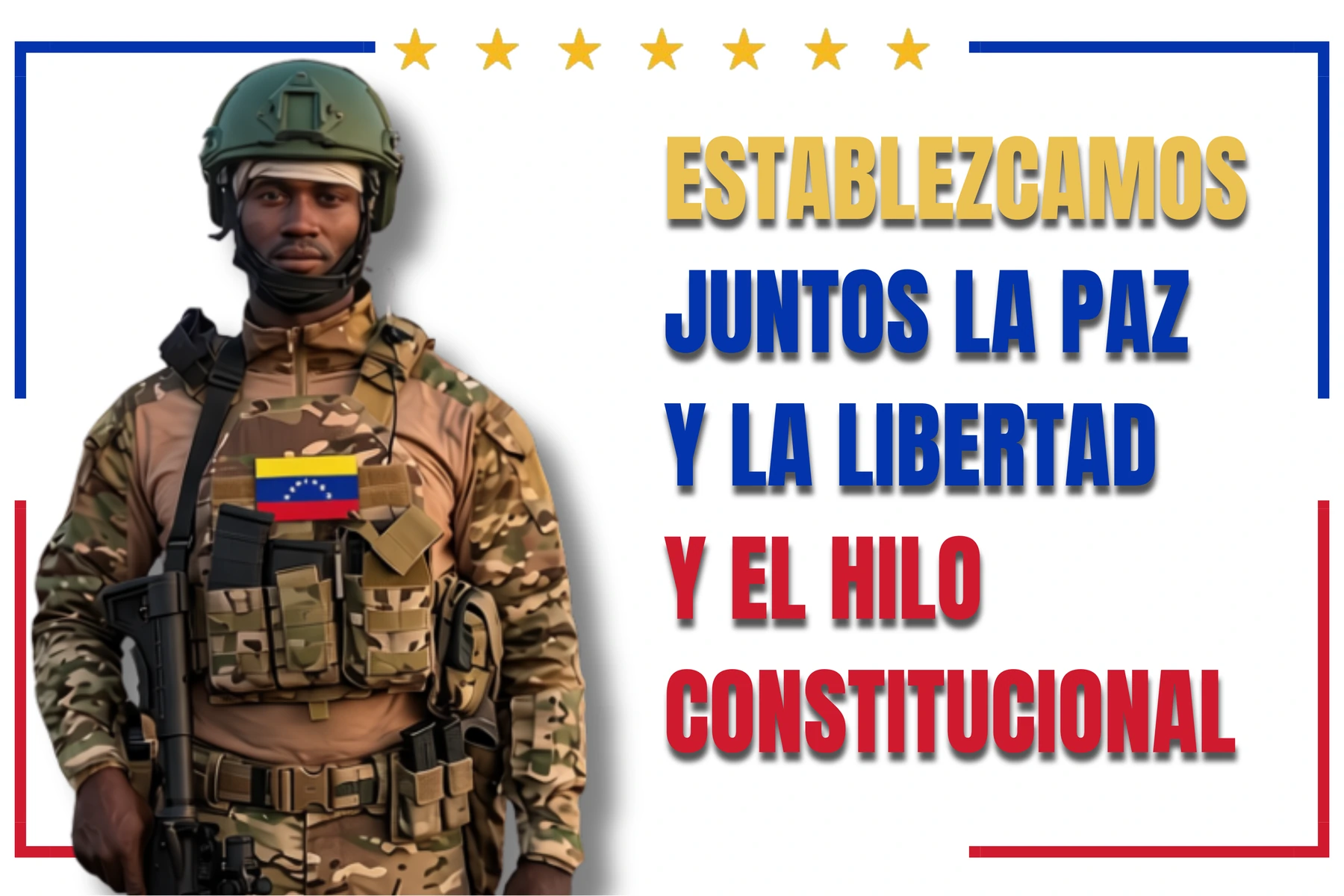
This view requires listening to the relatives and protecting the archive. Photographs with provenance, public records and verified testimonies can restore depth to a life. An MVGA editorial representation has another function: it communicates our assessment. It must be distinguished from an original historical photograph and from a document proving facts.
MVGA's position
Pantera deserves to remain among the names with which Venezuela discusses courage, responsibility and memory. We do not accept that the result of an operation allows your life to be treated as a disposable detail. Nor do we accept that the political connections of those who must respond establish the limit of the questions.
Our claim is firm: we recognize Robert Colina Ibarra as a Venezuelan who stood up against Maduro and assumed an irreversible cost. The task that remains falls to the living: to preserve his name, investigate the circumstances of his death, and demand accountability for the compromises surrounding Gideon. National reconstruction needs a memory capable of sustaining this demand even when it is uncomfortable for its own referents.