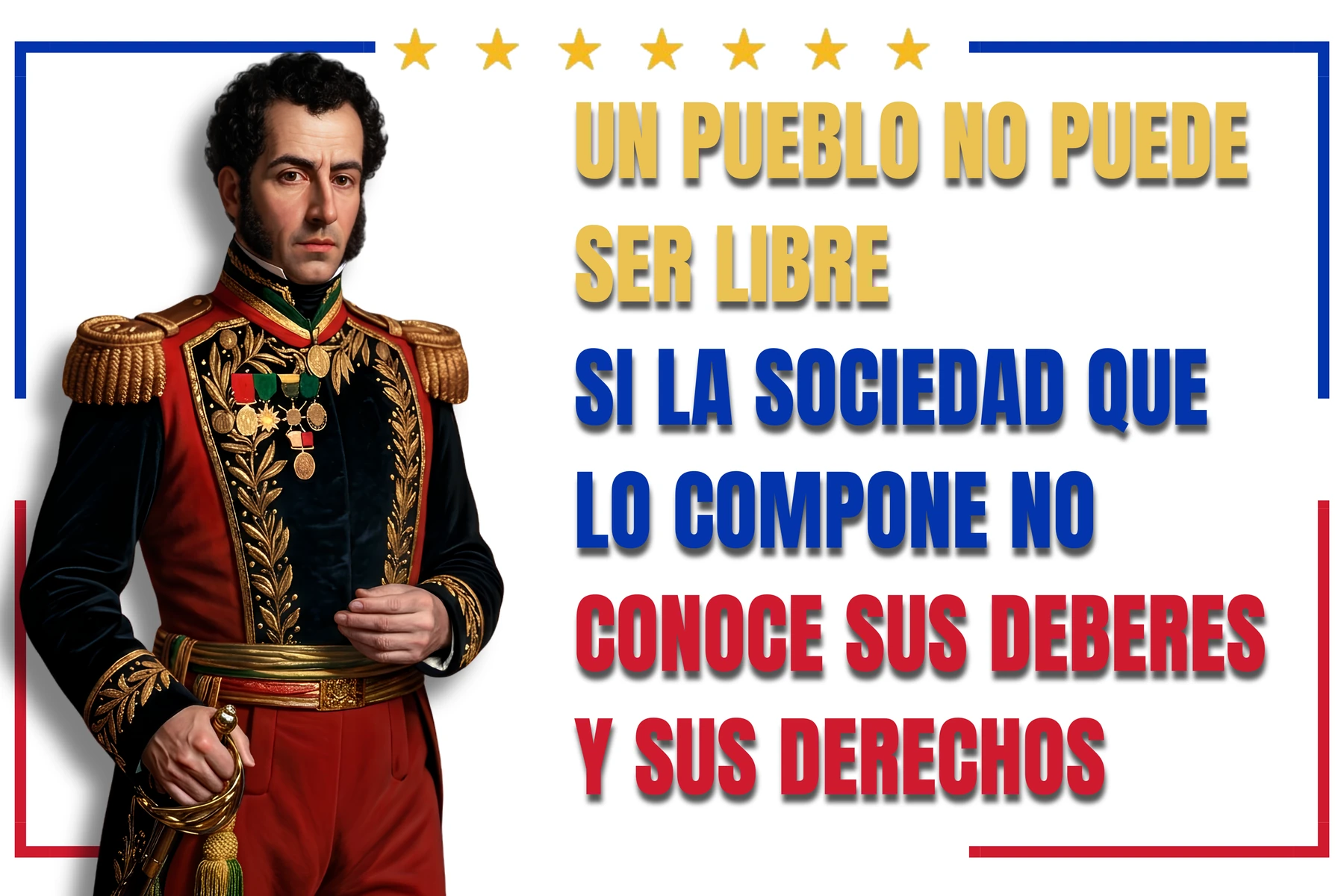
Military, diplomat and ruler
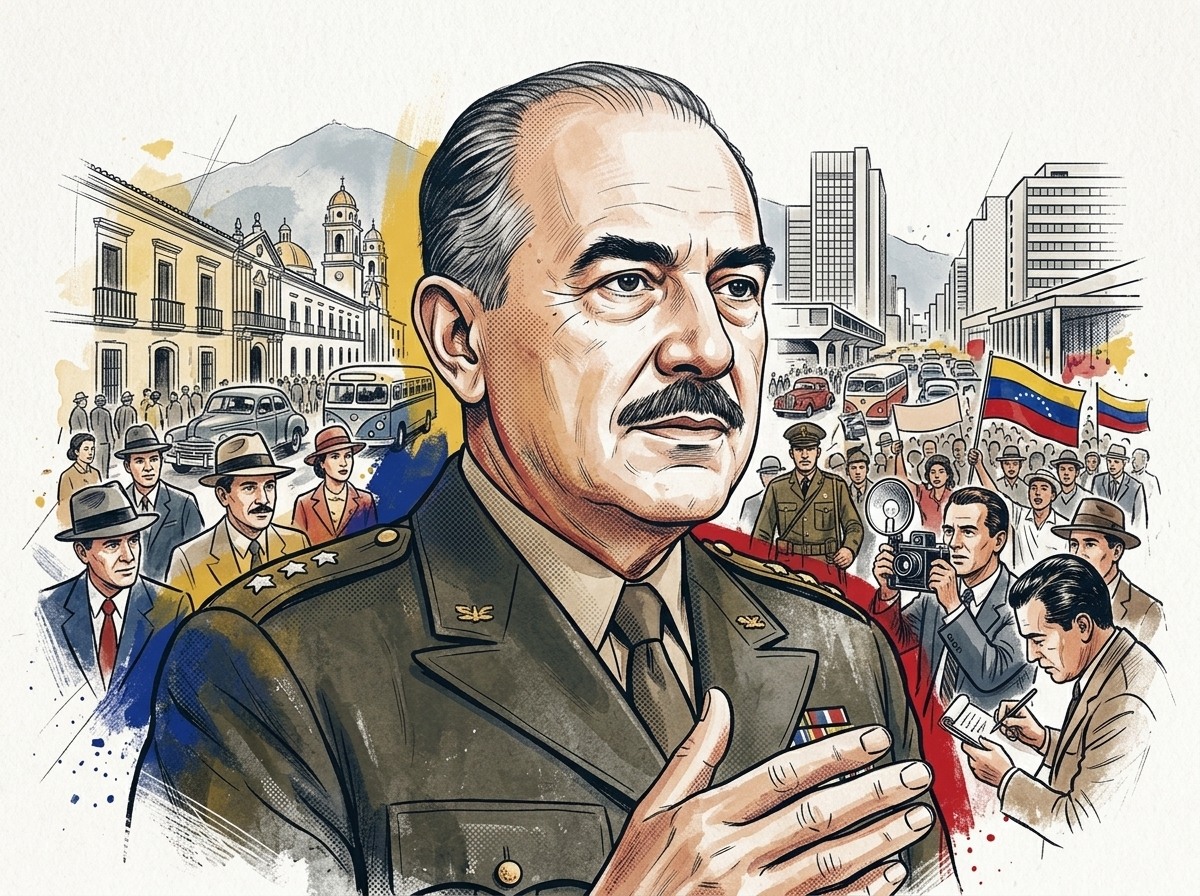
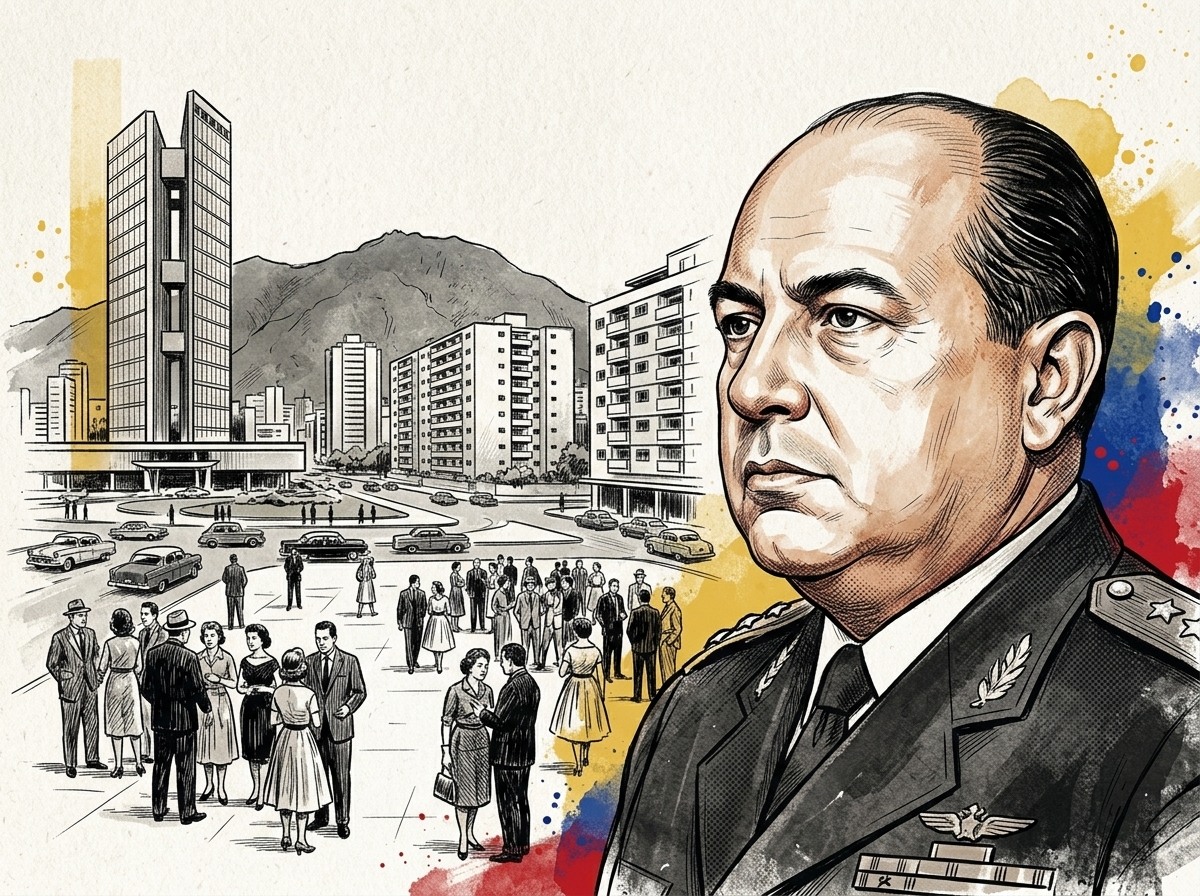
Antonio José de Sucre was born in Cumaná on February 3, 1795 and was assassinated in Berruecos on June 4, 1830. He participated in the independence and in the negotiation of the regularization agreements of the war of 1820. He led winning forces in Pichincha in 1822 and Ayacucho in 1824, and served as the leadership and presidency of Bolivia after its creation. In 1830 he presided over the Admirable Congress during the crisis of the Colombian union. This profile does not attribute definitive responsibility for his murder, a matter that requires specific documentary examination.
Victory as a beginning
His career allows us to discuss the distance between conquering an opportunity and building institutions. An army can modify effective power; an administration needs to convert that capacity into procedures, services and legitimacy. They are connected tasks that should not be confused.
The organization of a new republic requires the Treasury, training and civil authority. The problem is not solved with the prestige of a victory. We must define functions, resources and limits, and learn to process differences without turning each conflict into another intervention of force. The current reconstruction also needs to distinguish those capabilities.
Moderation and responsibility
The value of political moderation is not to avoid every difficult decision. It consists of recognizing that an authority must consider those who live with its consequences and accept rules that review their actions. A unity project may need firmness and remain exposed to the risk of treating any disagreement as disloyalty.
Sucre's memory must be read in that tension. His actions belong to wars and states in formation; It is not a certificate for a contemporary doctrine. Maintaining its importance means studying its decisions and the problems that a victory did not solve on its own.
The MVGA Criterion
MVGA rescues capacity, discipline and the purpose of transforming a triumph into a national organization. It proposes that authority have institutional continuity and that this continuity does not depend on retaining a boss indefinitely. Reconstruction needs an administration that can work and citizens who can control it.
The profile also invites us to remember the vulnerability of the new republics when their conflicts continue to be arbitrated by violence. A truncated life does not allow us to invent a perfect future. It allows us to ask what institutions were missing and how a country could retain its servants, discuss its projects and replace them with legitimate procedures.
Sources and references
- Polar Business Foundation, Sucre, Antonio José de. Reference documents: Trujillo agreements (1820) and Ayacucho capitulation (1824).