A familiar face who spoke about the country
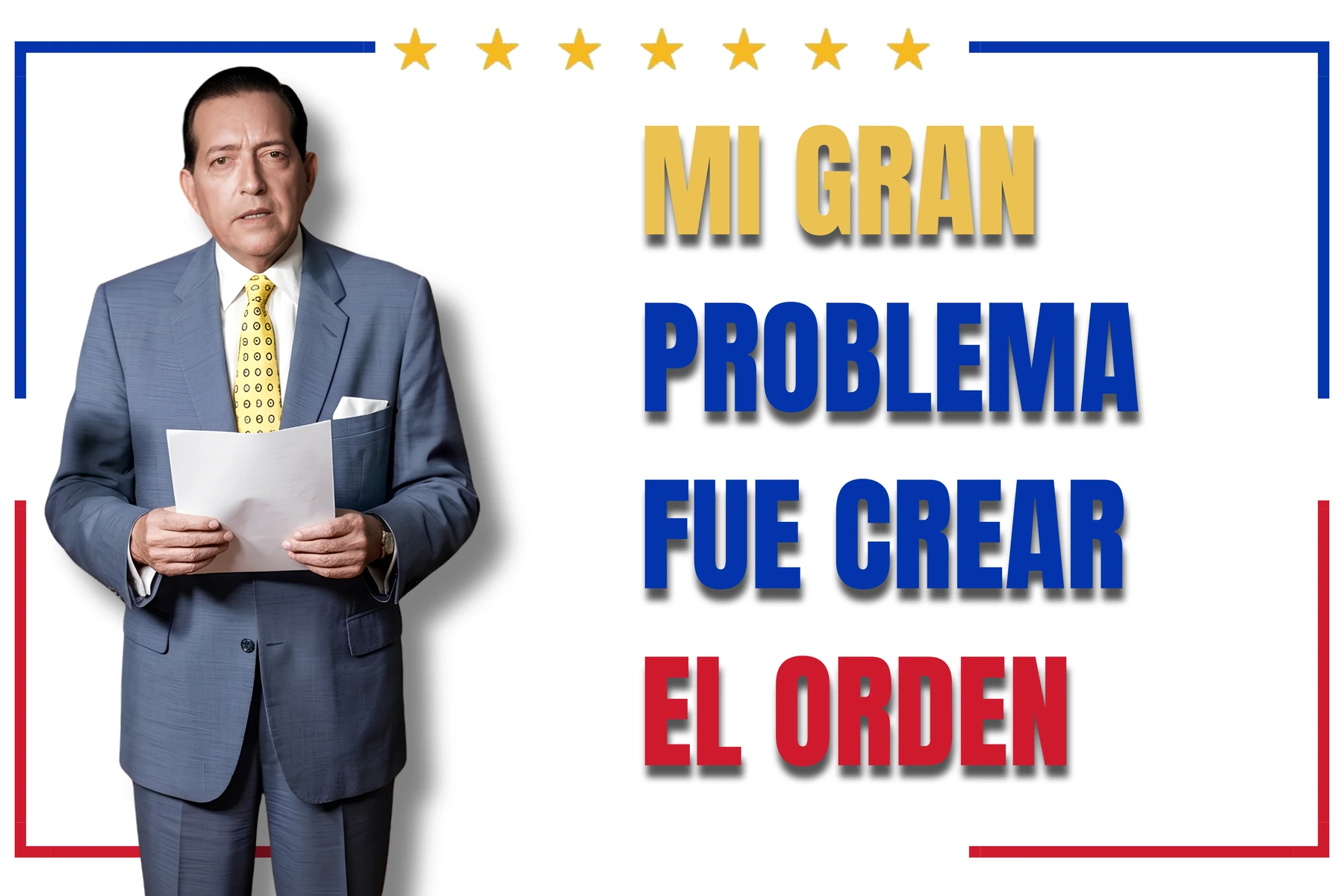
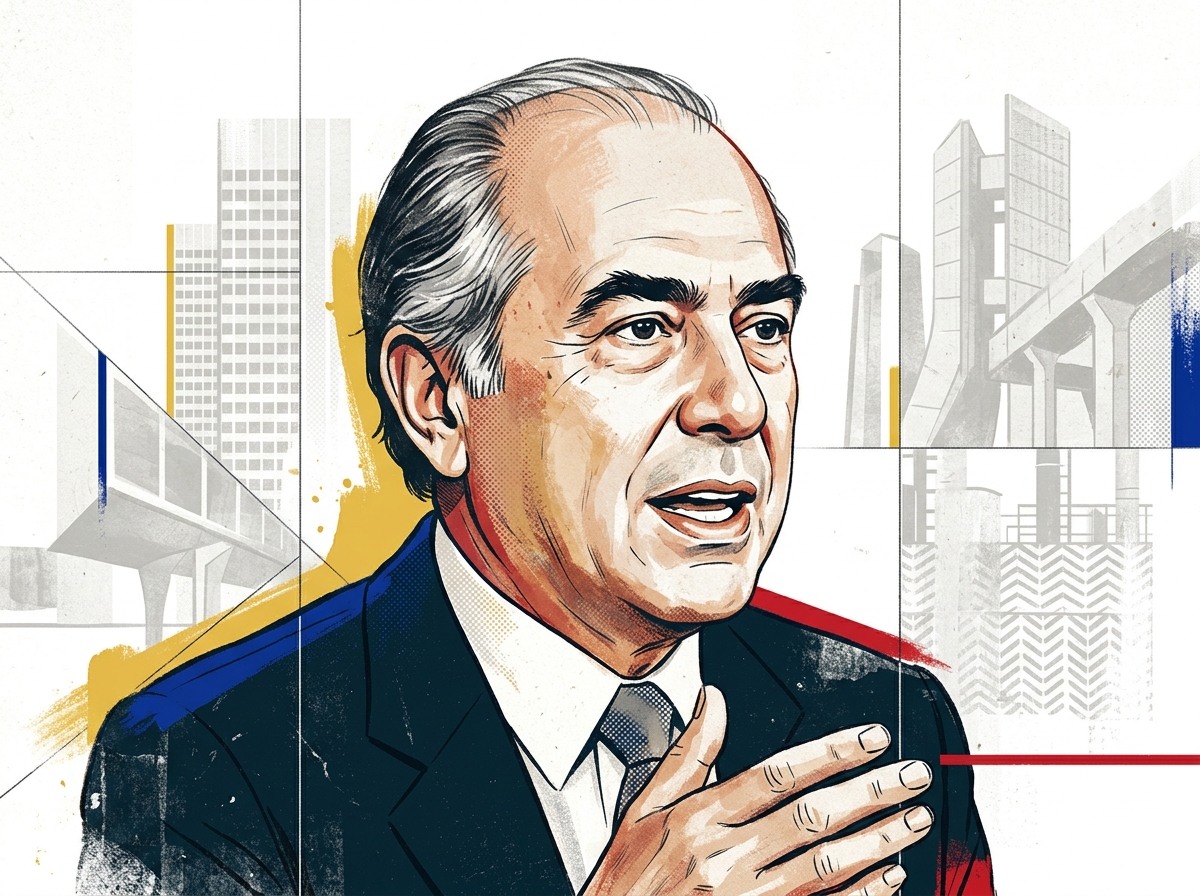
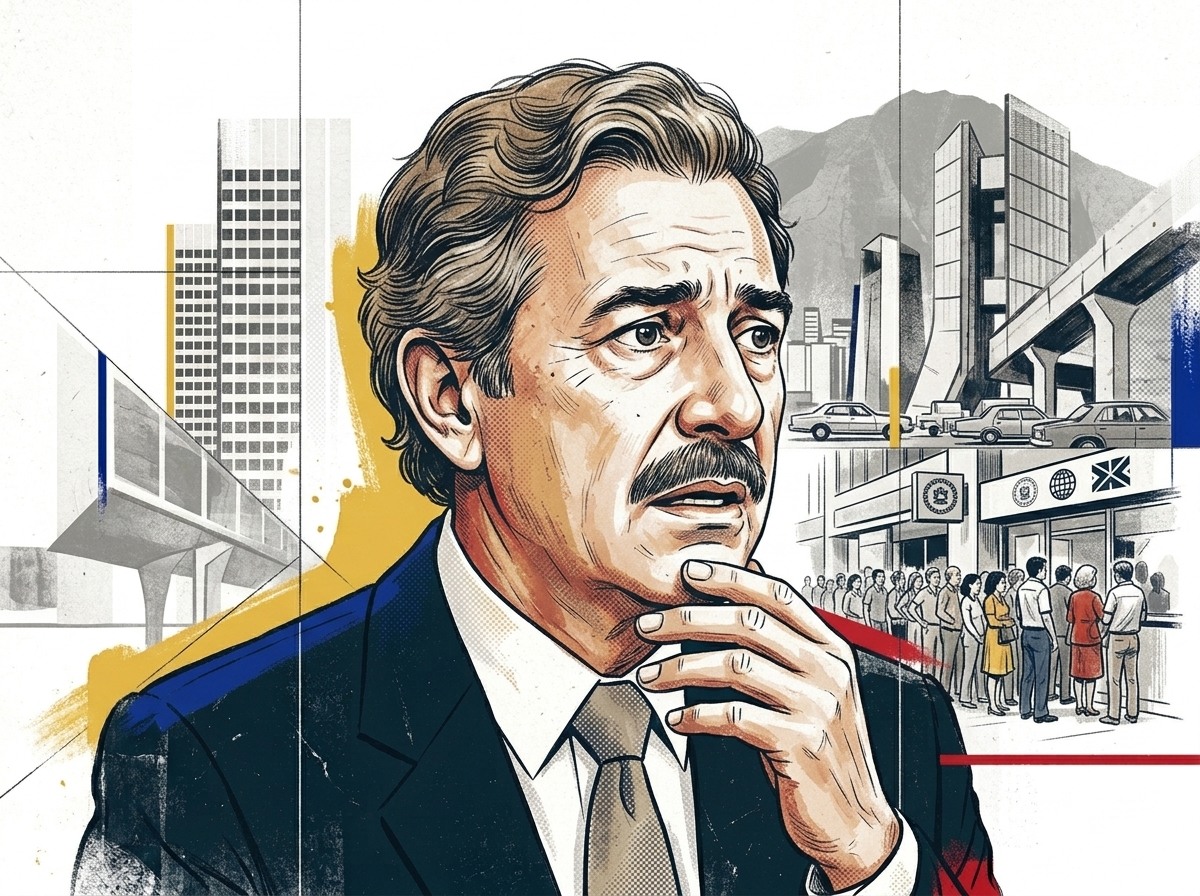
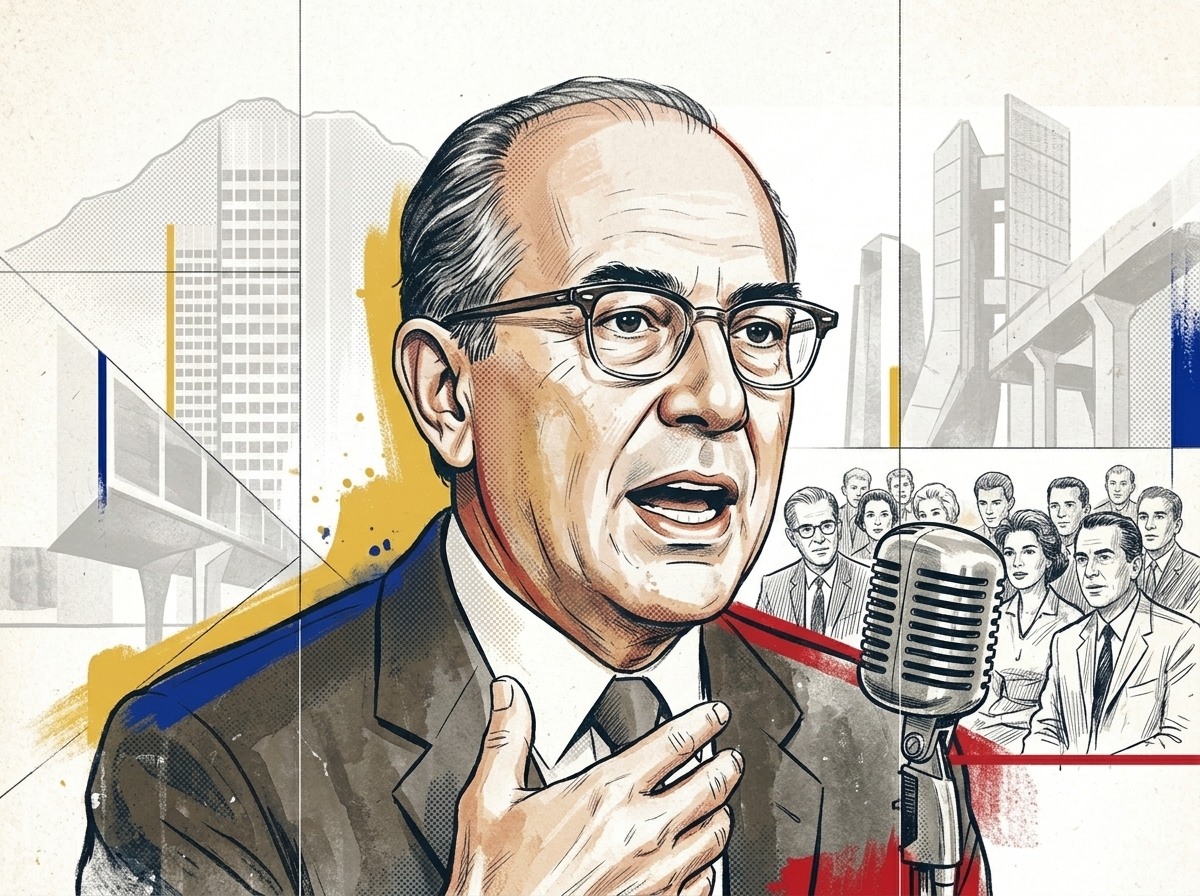
Renny Ottolina—Renaldo José Ottolina Pinto—was a central figure in Venezuelan radio and television. His career coincided with the expansion of television as a shared experience: millions of people could recognize a voice, a way of presenting and a production style. That fame was not just a matter of entertainment. Ottolina used her spaces to present Venezuelan artists, places, music and issues to a national audience.
The biography of the Empresas Polar Foundation records its programs on Radio Caracas Televisión and mentions spaces such as Take it or leave it, melodic journey, What is your profession?, El Farol TV, My work and me, Firestone Concerts and Venezuela looks at its future. This record allows him to situate his work in specific media and avoid the imprecise legend that he was simply "the first" or "the only one" in everything. Its importance is sustained by the duration, scope and variety of its production.
Ottolina's television projected an idea of the country. In their programs, music, landscape and daily life could be part of a common story. This construction had limits: television was also a private industry, it depended on sponsors and responded to the rules of its time. Recognizing that context does not reduce its merit. It allows us to understand how a popular communicator could influence the taste, language and image that Venezuelans had of themselves.
Culture as responsibility
Ottolina's appeal was in her mastery of the medium, but her political legacy stems from a broader question: what responsibility does someone who reaches millions of homes every day have? The answer that emerges from his public interventions and his work was that communication could educate, raise expectations and make visible a Venezuela capable of producing its own culture.
His proposal to "get to know Venezuela to love it more" summarizes a powerful civic intuition. Affection for the country should not be supported only by official symbols; It could arise from knowledge of its regions, its artists, its history and its possibilities. That idea deserves to be preserved without turning it into an empty slogan. Loving a country also requires looking at its problems, discussing its decisions and recognizing those who are left out of its story.
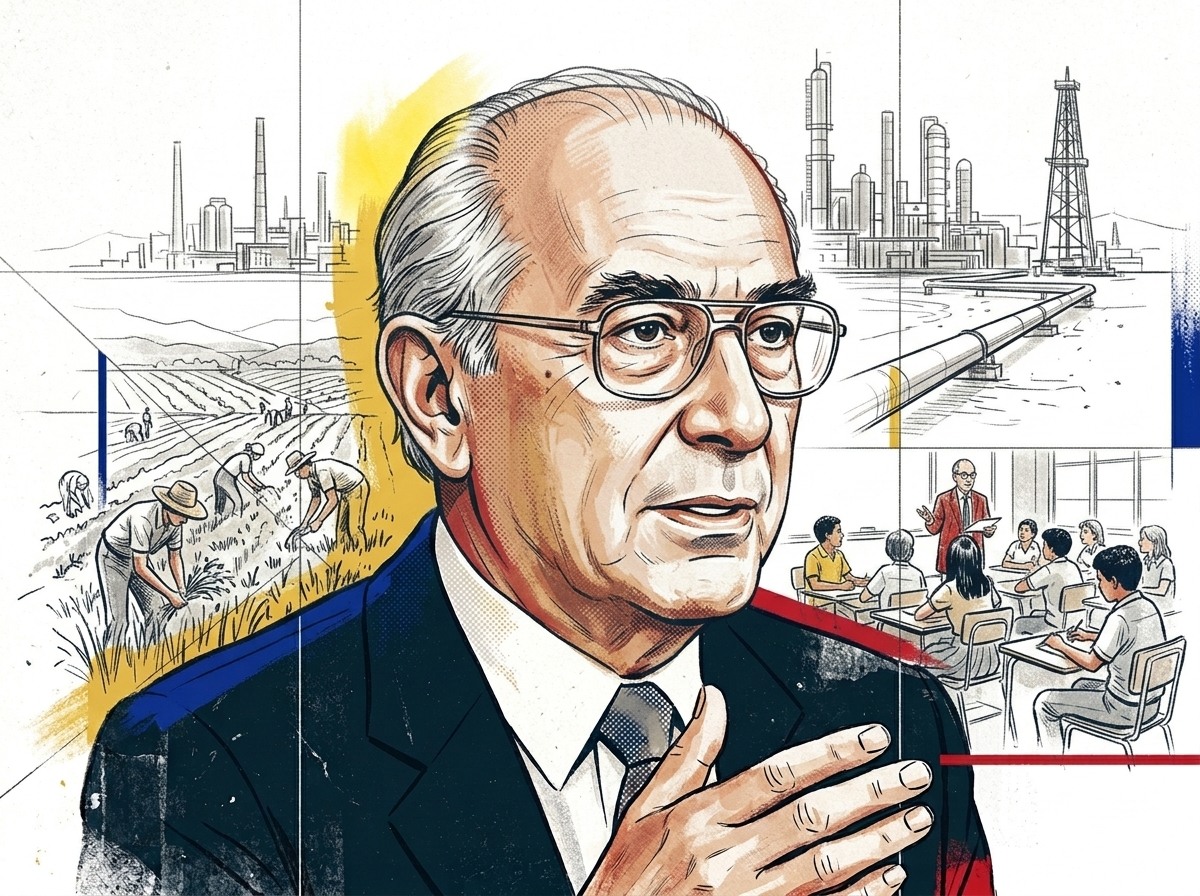
The local file The Shared Word #17 preserves an interview by Jorge Olavarría from November 13, 1977, statements to the press from October 27 and a compendium of political ideas. In the statements of October 27, Ottolina placed the "recovery of human resources" as a central problem and linked the country's productive capacity with its inhabitants, not only with iron or oil. In the Compendium, his criticism of AD and COPEI is not equivalent to rejecting partisan representation: he wrote "we are in favor of the party system and we are rejecting the parties of the system." He also stated: "I am against partisanship, which is not the same as being against the institution of the party."
The above quotes come from written statements and the Compendium of Political Ideas preserved in the MVGA archive, p. 1 of both documents. This distinction allows us to read his position from his words and not attribute a current project formula to him.
From the television studio to the electoral arena
In 1977 Ottolina organized the National Integrity Movement (MIN) and began the path towards the presidential election scheduled for 1978. Her candidacy attempted to convert the capital of trust accumulated in the media into a political alternative. The Empresas Polar Foundation points out that he died before officially presenting his candidacy; The international press in March 1978 already identified him as an applicant and described his project of recruiting collaborators based on their merit, even beyond partisan militancy.
In the Venezuela of that time, questioning the traditional parties was not automatically equivalent to rejecting democracy. Ottolina declared herself a democrat, according to contemporary coverage of The Country, while maintaining that the parties needed a pause to reorganize. That tension remains useful: political organizations can articulate representation and compete for power, but they lose legitimacy when they become closed, clientelistic, or incapable of listening to society.
The appeal to meritocracy also requires examination. Choosing people by ability may be a response to distributing positions by loyalty; it does not alone resolve who defines merit, how accountability is held, or how those who do not belong to professional elites are represented. Ottolina proposed incorporating capable Venezuelans into the government, including militants from various parties, without using the card as an access requirement. An institutional project must translate that aspiration into transparent rules, equitable opportunities and democratic controls. The figure of Ottolina opens the conversation; not the closure.
His candidacy also expressed the fragility of a system that seemed stable but could produce disaffection. The fact that a communicator without the track record of the big parties managed to attract attention shows that there was an audience for a different language. It does not prove, by itself, that the parties had lost all support or that Ottolina would have won. Its popularity does not allow us to know what result it would have obtained in December 1978.
Death and the limit of what we know
Ottolina died on March 16, 1978 in a plane accident, before the presidential election. The tragedy fueled stories, suspicions and theories about a possible attack. In a project that seeks to reconstruct political history, repeating a suspicion as fact would be an editorial mistake. This essay does not attribute criminal responsibility: any different claim requires conclusive documentation, not just retrospective testimony or partisan speculation.
The political consequence of his death was enormous for the movement he was organizing. However, this consequence does not establish a criminal case. Memory can regret a truncated possibility without inventing the result of an election that was never disputed until the end.
A legacy that does not need to become a myth
Early death froze Ottolina in a possibility. He did not govern, he did not have to negotiate a budget or respond to a presidential administration. This absence makes it easier for different currents to turn him into the perfect leader who would have solved what others could not. Public memory can admire him without attributing to him results that he never had the opportunity to produce.
His most fertile legacy is less comfortable and more useful: It shows that popular culture can open space for a national conversation and that leadership needs to be translated into institutions. Media presence serves to convene, but does not replace a program, an organization or control mechanisms. A country is not transformed just because a figure communicates clearly; It needs citizens, rules, capable teams and continuity.
For MVGA, Ottolina represents a voice that believed that Venezuela could demand more. That judgment is an editorial interpretation, not biographical data. Documented history allows us to maintain that he was a communicator of enormous reach, that he created the MIN and that he headed for a presidential candidacy in 1978. The reading about his project should rest on his speeches and documents, not on slogans attributed decades later.
Remembering it rigorously means doing two things at the same time: rescuing its commitment to culture, initiative and national pride; and subject their ideas to the same questions that are asked of any political project. How is capacity converted into public service? How do you prevent meritocracy from being a word to cover up privileges? How is democracy maintained when parties disappoint? Those questions remain open, and his biography still helps to ask them.
Sources and references
- Polar Business Foundation, «Ottolina, Renaldo José»: Check source
- The Country, "Venezuelan candidate Renny Ottolina disappears in a plane crash", March 19, 1978: Check source
- Local project file: The shared word #17 — Renny Ottolina, The Candidate: interview by Jorge Olavarría (11-13-1977), statements to the press (10-27-1977), Compendium of Political Ideas by Renny Ottolina and transcription of the program. The statements cited are on p. 1; the position on the party system and partyocracy is in Compendium, p. 1.
- Local project file: The shared word #16 — Renny Ottolina, Number One and documents of The new encyclopedia. Guidance and bibliography material, contrasted in this essay with the cited references; it is not presented as a primary source for each statement.