The ambition of a free nation
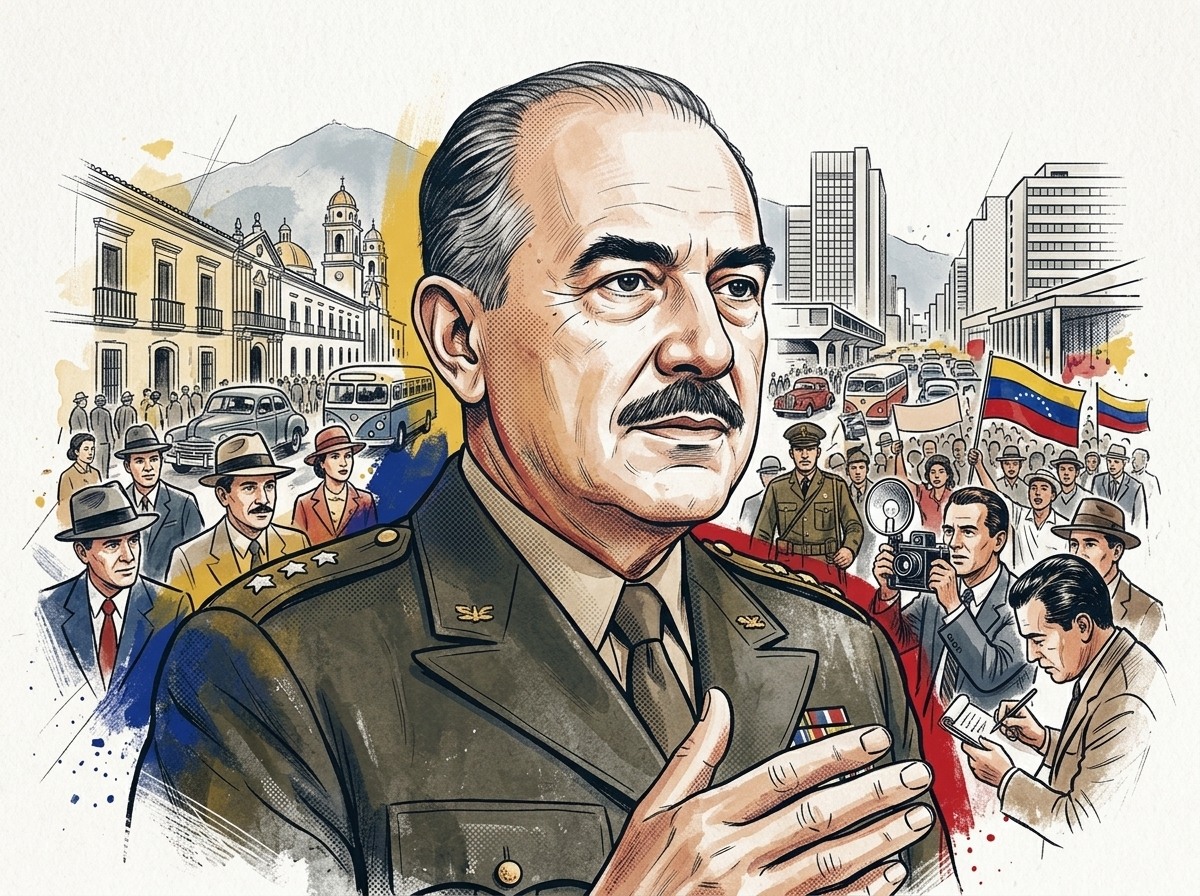
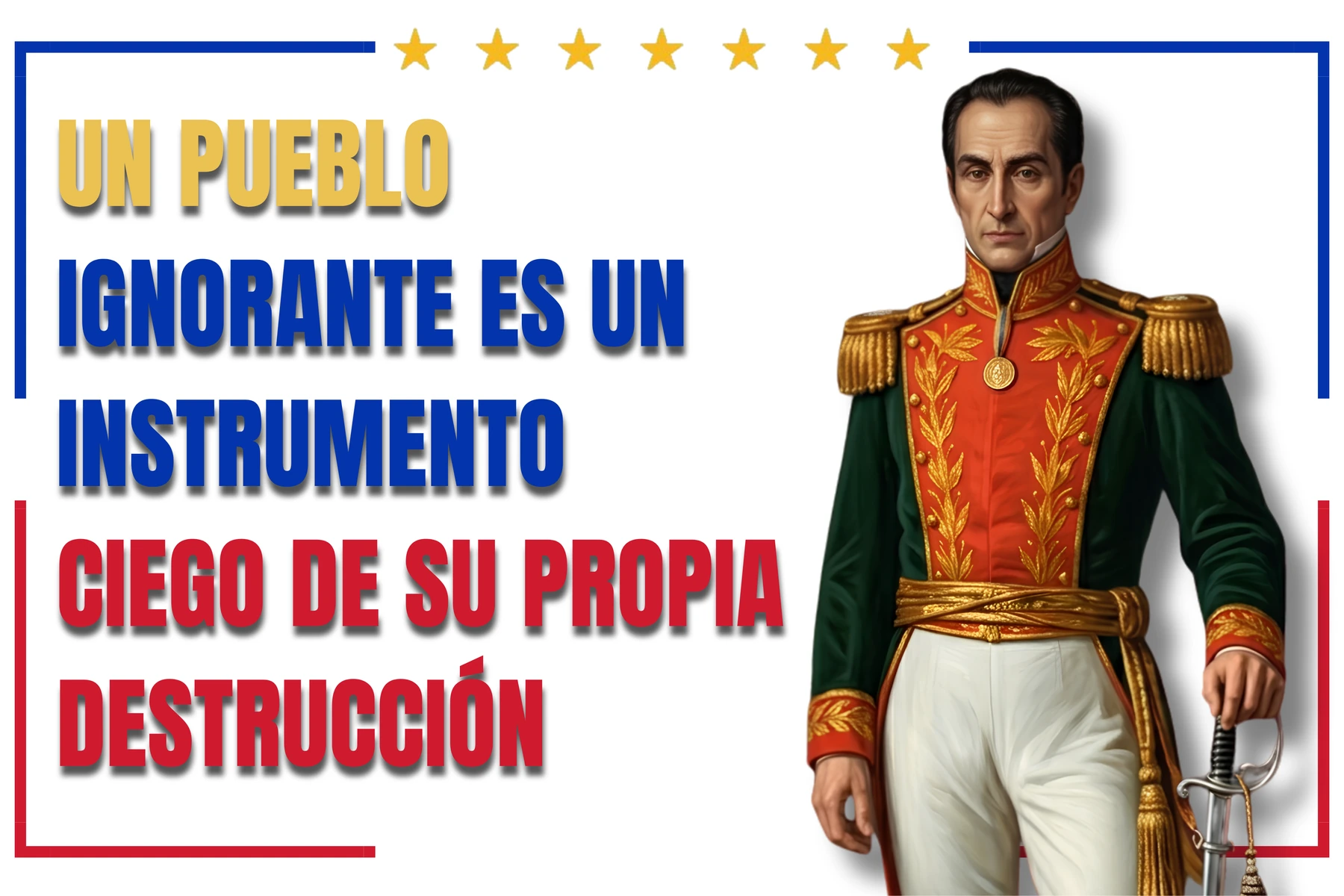
Simón Bolívar was born in Caracas on July 24, 1783 and died in Santa Marta on December 17, 1830. He participated decisively in the independence and in the project of union of Venezuela, New Granada and the liberated territories of the south. His career included the mission to London in 1810, military campaigns, government and texts such as the Cartagena Manifesto, the Letter of Jamaica and the Angostura Speech. In 1826 he proposed a Constitution for Bolivia with a life-long presidency; In 1830 he resigned from the Colombian presidency, while the union project disintegrated.
Independence and organization
For MVGA, Bolívar's importance begins at the scale of his aspiration. A society could stop accepting an order and still need the capacity to sustain the one that would come later. Independence forces us to discuss territory, resources, authority and coordination. The military triumph opens an opportunity that institutions must convert into lasting public life.
Unity there represents a necessity and a dilemma. It makes it possible to gather resources in the face of fragmentation, but it can become an argument to concentrate decisions. A republic has to build capacity without making obedience to a person its permanent condition. Bolívar's writings and projects allow us to study this tension in the context of the war and states that were still being formed.
A memory that allows you to think
The ceremonial use of the Liberator often offers a perfect figure that everyone can invoke. This apparent unanimity impoverishes his work: he avoids discussing his proposals, the disagreements and the consequences of his decisions. A historical reference helps more when it can be read and examined than when it becomes an answer to any present problem.
Venezuelanness must include that reading. The nation is not strengthened by attributing a current doctrine to the past or using a name to close the conversation. It is strengthened when it knows the problems its protagonists tried to solve and can distinguish their arguments from the symbols that were later built around them.
Reading MVGA
MVGA rescues the will for independence, organization and national reach. It also raises the problem of limits: a strong authority must leave institutions capable of functioning without their boss. Political unity needs space for disagreement and rules that allow the ruler to be replaced.
The question that this trajectory leaves remains open for any refoundation: how to reunite a country without turning its diversity into a threat and how to build state capacity without giving power an indefinite authorization. Bolívar's legacy deserves a memoir that asks those questions and not an image used to avoid them.
Sources and references
- Polar Business Foundation, Bolivar, Simon. Primary readings: Cartagena Manifesto (1812), Jamaica Letter (1815), Angostura Speech (1819) and Bolivian constitutional project (1826).